
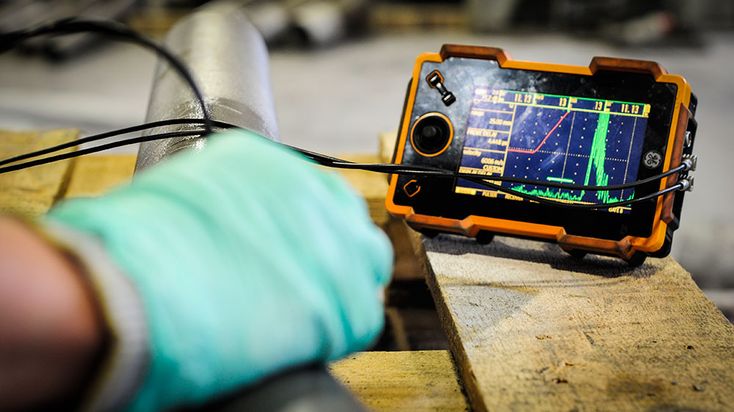
For those venturing into the world of NDT (Non-Destructive Testing), understanding the concept of frequency is crucial. Frequency plays a significant role in various NDT methods, impacting the accuracy and effectiveness of inspections. This guide is designed to introduce beginners to the fundamentals of frequency in NDT, ensuring a solid foundation for further learning.
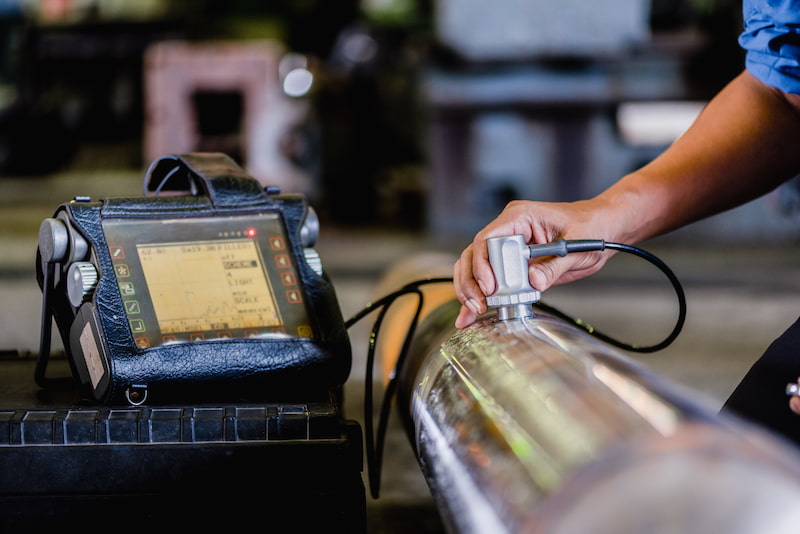
What is Frequency in NDT?
Frequency refers to the number of cycles per second in a wave, measured in Hertz (Hz). In NDT, frequency is a critical parameter that influences the penetration and resolution of testing equipment. For instance, in ultrasonic testing, frequency determines the depth of penetration and the clarity of the image produced.
Importance of Frequency in NDT
The correct use of frequency can significantly enhance the detection capabilities of NDT methods. High-frequency waves provide better resolution, making them ideal for detecting small flaws. Conversely, low-frequency waves penetrate deeper into materials, suitable for examining thicker components.
Common NDT Techniques Involving Frequency
Ultrasonic Testing
In ultrasonic testing, frequency plays a pivotal role. High-frequency transducers are used for inspecting thin materials, while lower frequencies are employed for thicker sections. Understanding the right frequency range is essential for accurate results. For more details, you can explore frequency inspection.
Eddy Current Testing
Eddy current testing also relies on frequency to detect surface and subsurface defects. Different frequencies can be used to target specific depths in a material, making it a versatile method in NDT.
Choosing the Right Frequency
Selecting the appropriate frequency for an NDT application depends on several factors, including the material type, thickness, and the nature of the defects being sought. Beginners should focus on understanding these principles to make informed decisions during inspections.
Challenges and Considerations
Frequency Mismatch
A common challenge in NDT is frequency mismatch, which can lead to inaccurate results. It’s crucial for beginners to understand how to match the frequency to the material and defect type. More insights can be found in our article on frequency mismatch issues.
Equipment Calibration
Calibrating equipment to the correct frequency is vital for reliable NDT results. Beginners should learn the standard calibration procedures and how frequency adjustments can impact the inspection outcomes.
Innovations in Frequency Techniques
Advancements in NDT technology have led to improved frequency methods, enhancing the precision and speed of inspections. To learn about the latest innovations, visit our section on synchronization technologies.
Practical Applications of Frequency in NDT
Wind Turbine Inspections
Frequency analysis is crucial in inspecting wind turbines, where it helps detect potential failures before they lead to significant damage. For a detailed examination, read our article on frequency analysis.
Industrial Machinery
Regular inspections of industrial machinery using appropriate frequency settings can prevent costly downtime and extend the equipment’s lifespan. External resources, such as reliable plant, provide additional guidance on setting up maintenance inspections.
FAQs on Frequency in NDT
What is the best frequency for ultrasonic testing?
The best frequency for ultrasonic testing depends on the material and thickness. Generally, higher frequencies are better for thinner materials, while lower frequencies are used for thicker ones.
How does frequency affect eddy current testing?
In eddy current testing, frequency affects the depth of penetration and sensitivity. Adjusting frequency allows for targeting specific defect depths.
What are the challenges of frequency mismatch?
Frequency mismatch can lead to inaccurate readings and missed defects. Proper training and equipment calibration are essential to overcome these challenges.
By understanding and applying the principles of frequency in NDT, beginners can significantly improve their inspection capabilities, leading to more accurate and reliable results.
This article contains affiliate links. We may earn a commission at no extra cost to you.