
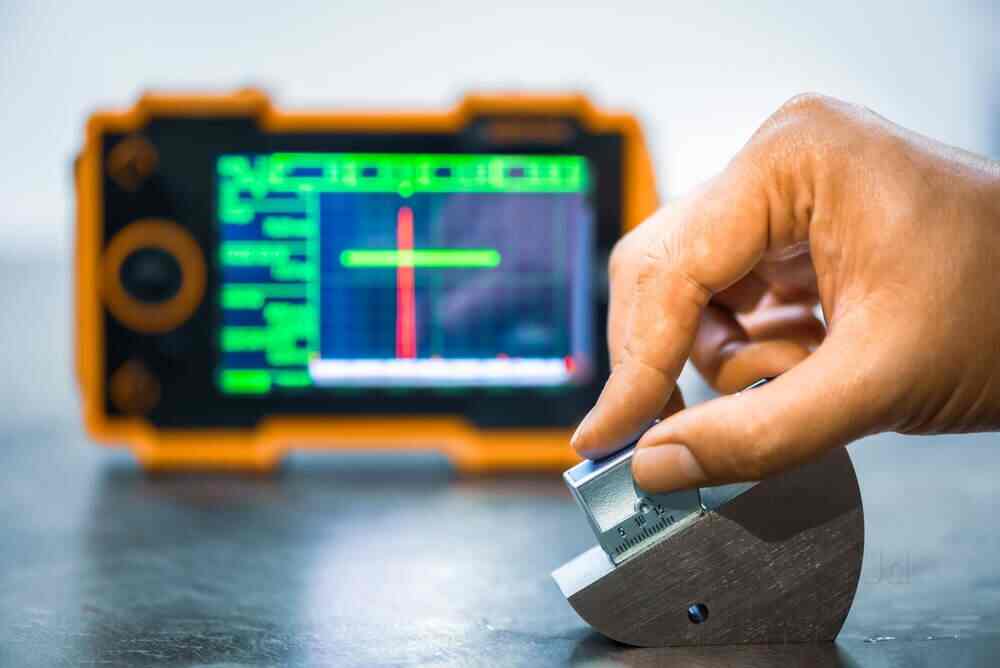
In the world of technology, the synchronization of sensors is crucial. This simple guide to synchronization in sensors explores the basic yet vital concept of sensor synchronization. Whether it’s in your smartphone or in advanced industrial machinery, synchronized sensors ensure everything functions smoothly. Its not just about aligning data; its about enhancing the overall system performance.
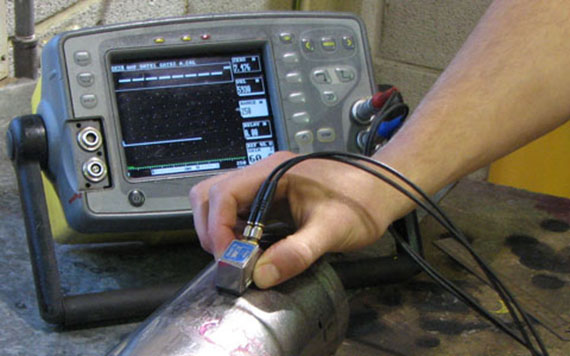
What is Sensor Synchronization?
Sensor synchronization refers to the coordination of data collection from multiple sensors. Synchronization ensures that the data is collected at the same time, which is vital for accurate analysis and decision-making. Without proper synchronization, data can become disjointed, leading to errors and inefficiencies.
Importance of Synchronization in Sensors
In industries, synchronization plays a pivotal role. It improves precision and reduces the margin of error. For instance, in the manufacturing sector, synchronized sensors can prevent costly mistakes by ensuring machines operate in harmony.
Benefits of Synchronization
- Accuracy – Synchronization provides accurate data, which is essential for analysis.
- Efficiency – Streamlined operations lead to increased efficiency and productivity.
- Cost-Effective – Reduces the likelihood of errors, thus saving costs associated with rework and failures.
Methods of Synchronizing Sensors
There are various methods to synchronize sensors. These include time-stamping, phase synchronization, and the use of synchronization protocols. Each method has its pros and cons, and the choice depends on the application and requirements.
Time-Stamping
Time-stamping involves marking data with the exact time it was collected. This method is simple and effective for applications where precise timing is crucial.
Phase Synchronization
Phase synchronization ensures that the phases of signals from different sensors are aligned. This is particularly useful in applications involving waveforms and cyclical data.
Synchronization Protocols
Protocols like IEEE 1588 are used to achieve high precision in sensor synchronization. These protocols are essential in environments where accuracy down to the nanosecond is required.
Challenges in Sensor Synchronization
Despite its importance, sensor synchronization has its challenges. These include network latency, clock drift, and environmental factors. Overcoming these challenges requires robust systems and innovative solutions.
Network Latency
Network latency can delay data transmission, affecting synchronization. Solutions include optimizing network infrastructure and using priority data channels.
Clock Drift
Clock drift occurs when clocks in different sensors are not perfectly synchronized. Regular calibration and advanced algorithms can mitigate this issue.
Environmental Factors
Temperature, humidity, and other environmental factors can impact sensor performance. Ensuring sensors are protected from such elements can enhance synchronization.
Applications of Synchronized Sensors
Synchronized sensors are used in various fields, including automotive, healthcare, and industrial automation. Each application benefits from the enhanced accuracy and efficiency that synchronization provides.
Automotive Industry
In the automotive industry, synchronized sensors are used for vehicle control systems, ensuring safety and performance.
Healthcare
In healthcare, synchronized sensors are crucial in medical devices for accurate diagnosis and treatment.
Industrial Automation
In industrial automation, synchronized sensors ensure that machinery operates smoothly and efficiently, reducing downtime and increasing productivity.
Future of Sensor Synchronization
The future of sensor synchronization is promising. With advancements in technology, synchronization will become more precise and widespread. Innovations like AI and machine learning will play a significant role in this evolution.
For more on this topic, visit HSE’s guide on machinery inspection.
Conclusion
In conclusion, this simple guide to synchronization in sensors underscores the importance of sensor synchronization in modern technology. As industries continue to evolve, the need for precise and efficient sensor synchronization will only grow.
FAQ
What is sensor synchronization?
Sensor synchronization involves coordinating data collection from multiple sensors to ensure accuracy and efficiency.
Why is synchronization important in sensors?
Synchronization improves accuracy, efficiency, and reduces errors, making it vital for various applications.
What are some methods of synchronizing sensors?
Methods include time-stamping, phase synchronization, and synchronization protocols like IEEE 1588.
For more insights, explore innovations in synchronization technologies.
This article contains affiliate links. We may earn a commission at no extra cost to you.