
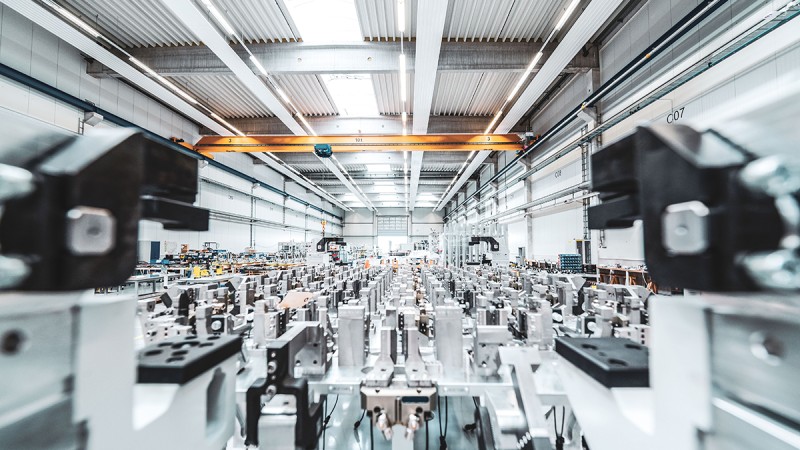
The integration of artificial intelligence is reshaping the manufacturing sector, driving efficiency, accuracy, and flexibility to new heights. From predictive maintenance to automated quality control, AI-powered solutions are transforming how products are designed, produced, and delivered. As manufacturers face increasing pressure to optimize operations and remain competitive, understanding how AI is used in manufacturing is essential for leaders and engineers alike.
This guide explores the practical applications, benefits, and challenges of deploying AI in modern factories. For those interested in a broader perspective on digital transformation, the article on what is a smart factory provides a comprehensive overview of connected, intelligent production environments.
Key Areas Where Artificial Intelligence Impacts Manufacturing
The adoption of AI-driven technologies is evident across multiple facets of the manufacturing process. Here are some of the most impactful areas:
- Predictive Maintenance: AI algorithms analyze sensor data from machinery to anticipate failures before they occur, minimizing downtime and reducing maintenance costs.
- Quality Control: Computer vision systems powered by machine learning inspect products at high speed, identifying defects more accurately than manual inspection.
- Supply Chain Optimization: AI models forecast demand, optimize inventory, and streamline logistics, ensuring timely delivery and reducing excess stock.
- Process Automation: Robotics and automation systems use AI to adapt to changing production requirements, improving throughput and flexibility.
- Energy Management: Smart algorithms monitor and adjust energy usage, helping factories lower costs and meet sustainability goals.
How AI Enhances Predictive Maintenance
One of the most valuable applications of AI in manufacturing is predictive maintenance. Traditional maintenance schedules are often based on fixed intervals or reactive repairs, which can lead to unnecessary downtime or unexpected equipment failures. By leveraging machine learning, manufacturers can monitor real-time data from sensors embedded in equipment.
These AI models detect patterns and anomalies, predicting when a component is likely to fail. As a result, maintenance can be scheduled proactively, reducing unplanned outages and extending the lifespan of machinery. This approach not only saves money but also improves overall production reliability.
AI-Driven Quality Control and Inspection
Ensuring product quality is a critical concern for manufacturers. AI-powered vision systems are now widely used to automate inspection tasks. These systems use deep learning to analyze images of products as they move along the production line, identifying defects such as cracks, misalignments, or surface imperfections.
Unlike traditional rule-based inspection, AI systems can learn from data and improve over time, adapting to new product variants or changes in materials. This leads to higher accuracy, faster throughput, and reduced reliance on manual labor. For more insights into the productivity gains from automation, see the guide on benefits of factory automation.
Optimizing the Supply Chain with Intelligent Algorithms
The complexity of modern supply chains demands advanced solutions. AI is increasingly used to forecast demand, optimize inventory levels, and manage logistics. By analyzing historical sales data, market trends, and external factors, AI models help manufacturers anticipate fluctuations and adjust production schedules accordingly.
This level of optimization reduces waste, prevents stockouts, and ensures that resources are allocated efficiently. AI-driven supply chain management also supports just-in-time manufacturing, which minimizes inventory costs and improves responsiveness to market changes.
Smart Factories and the Role of AI in Automation
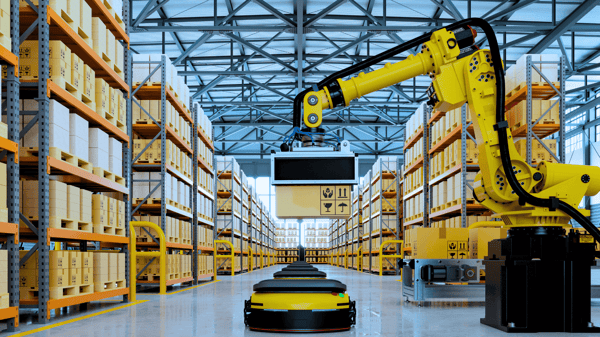
The concept of the smart factory is closely tied to the use of AI and connected devices. In these environments, machines, sensors, and systems communicate seamlessly, enabling real-time decision-making and self-optimization. AI algorithms coordinate robotic arms, conveyor belts, and other equipment to adapt to changing production requirements.
For a deeper understanding of how digital transformation is reshaping the industry, the article on how Industry 4.0 is transforming manufacturing offers valuable context.
Industrial IoT and Data-Driven Manufacturing
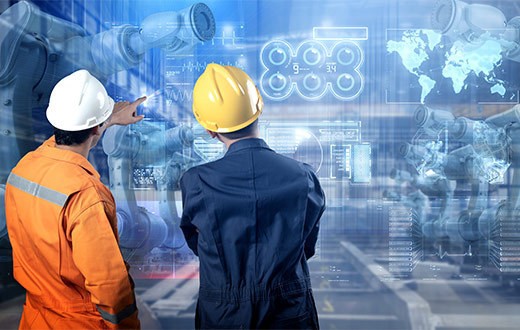
The Industrial Internet of Things (IIoT) connects machines, sensors, and systems, generating vast amounts of data for analysis. AI leverages this data to uncover insights, optimize processes, and enable predictive analytics. Manufacturers can monitor equipment health, track production metrics, and identify inefficiencies in real time.
To learn more about the integration of connected devices and data analytics, visit the resource on introduction to industrial IoT.
Challenges and Considerations When Implementing AI
While the benefits of AI in manufacturing are significant, there are important challenges to consider:
- Data Quality: AI systems rely on accurate, high-quality data. Incomplete or inconsistent data can lead to unreliable results.
- Integration Complexity: Connecting AI solutions with existing machinery and IT infrastructure can be technically demanding.
- Workforce Skills: Employees may require training to work alongside AI-driven systems and interpret analytics.
- Security and Privacy: Protecting sensitive production data and ensuring compliance with regulations is essential.
- Cost: Initial investment in AI technologies can be substantial, though long-term savings often justify the expense.
Manufacturers should approach AI adoption strategically, starting with pilot projects and scaling up as expertise and confidence grow. For a detailed look at digital replicas and their impact, see the article on understanding digital twin technology in factories.
Real-World Examples and Industry Adoption
Across the globe, companies are leveraging AI to gain a competitive edge. Automotive manufacturers use AI-powered robots for precise assembly and welding. Electronics producers deploy machine learning for component inspection and process optimization. Food and beverage factories rely on AI to monitor quality and ensure safety standards.
These examples illustrate the versatility and transformative potential of AI in diverse manufacturing settings. For a closer look at the evolution of smart production environments, the smart factory overview from Rockwell Automation provides additional insights.
Frequently Asked Questions
What Are the Main Benefits of Using AI in Manufacturing?
The primary advantages include increased efficiency, reduced downtime through predictive maintenance, improved product quality via automated inspection, and optimized supply chain management. AI also enables greater flexibility and responsiveness to market demands.
How Does AI Differ from Traditional Automation in Factories?
Traditional automation follows fixed rules and sequences, while AI systems can learn from data, adapt to new conditions, and make decisions in real time. This allows for more dynamic and intelligent manufacturing processes.
Is AI Adoption Suitable for Small and Medium-Sized Manufacturers?
Yes, many AI solutions are scalable and can be tailored to the needs of smaller operations. Starting with targeted projects, such as predictive maintenance or quality control, allows businesses to realize benefits without large upfront investments.