
Exploring motion blur composition examples is an effective way to spark creativity and improve your photography skills. By studying how motion blur is used in various images, photographers can learn to convey movement, energy, and emotion in their own work. Whether you are a beginner or an experienced shooter, understanding how to use blur intentionally can transform ordinary scenes into dynamic visual stories.
In this guide, you’ll find a curated selection of inspiring compositions that demonstrate the creative potential of motion blur. Along the way, you’ll also discover practical tips, key techniques, and resources to help you experiment with this style. If you’re just starting out, you may want to check out our motion blur settings for beginners for foundational advice on camera settings and setup.

Understanding the Art of Motion Blur in Photography
Motion blur is a photographic effect that occurs when a moving subject or camera creates streaks or soft edges in an image. This effect can be achieved by using slower shutter speeds, intentional camera movement, or panning techniques. When used thoughtfully, motion blur can add a sense of speed, rhythm, or atmosphere that static images often lack.
Studying motion blur composition examples helps photographers see how different approaches—such as panning with a subject or letting background elements blur—can dramatically change the mood and focus of a photo. The key is to experiment with various techniques and settings until you find a style that matches your creative vision.
Dynamic Street Scenes: Capturing Urban Energy
Urban environments are ideal for experimenting with motion blur. Fast-moving vehicles, bustling crowds, and city lights all provide opportunities to capture movement in unique ways. By slowing your shutter speed and tracking a moving subject, you can create images where the background blurs while the subject remains relatively sharp—a technique known as panning.
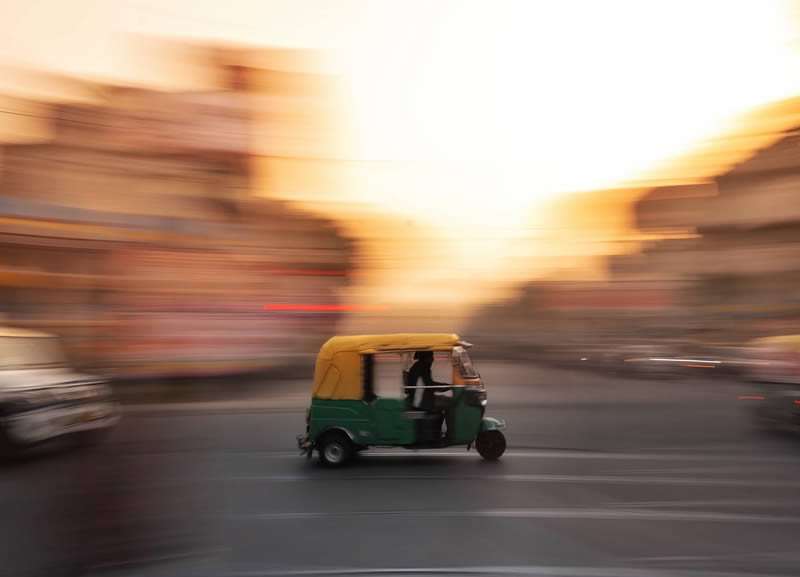
Notice how the movement of the cyclist is emphasized by the blurred background, creating a sense of speed and direction. This approach is commonly used in street photography to highlight action and inject life into everyday scenes. For those interested in sharing their results online, our motion blur instagram photography tips offer advice on optimizing images for social platforms.
Creative Portraiture: Adding Emotion with Blur
Portraits can be elevated by incorporating motion blur, especially when you want to express emotion or movement. For example, capturing a dancer in mid-spin or a subject tossing their hair can result in images that feel alive and expressive. The blur can draw attention to the subject’s gesture or create a dreamy, ethereal quality.
Experiment with different shutter speeds and ask your subject to move naturally. Sometimes, even subtle movements—like a hand gesture or a turn of the head—can create compelling results. The balance between sharpness and blur is crucial; too much blur can obscure the subject, while too little may not convey enough motion.
Nature and Landscapes: Conveying Movement in the Environment
Motion blur isn’t limited to urban or portrait photography. Landscapes and nature scenes offer plenty of chances to use this technique. Flowing water, swaying trees, and moving clouds can all be captured with longer exposures to create a sense of time passing or to highlight the dynamic aspects of the environment.
In the example above, the flowing water is rendered as a silky blur, contrasting with the sharp rocks and creating a tranquil atmosphere. This technique is popular in landscape photography, especially when shooting waterfalls, rivers, or coastal scenes. Using a tripod and neutral density filters can help achieve longer exposures without overexposing the image.
Techniques for Effective Motion Blur Compositions
To make the most of motion blur, it’s important to understand the technical aspects involved. Here are some practical tips to help you get started:
- Shutter Speed: Slower shutter speeds (such as 1/30s or longer) allow more movement to be captured. Experiment to find the right balance for your scene.
- Stabilization: Use a tripod for stationary blur (like flowing water) or practice steady panning for moving subjects.
- Lighting: Lower light conditions make it easier to use slow shutter speeds without overexposing. In bright settings, consider using neutral density filters.
- Subject Selection: Choose subjects that move in interesting ways, such as dancers, athletes, or vehicles, to maximize the impact of the blur.
- Composition: Pay attention to framing and background elements. Sometimes, a simple background enhances the motion effect.
For more detailed guidance on gear, see our motion blur camera gear recommendations.
Comparing Before and After: The Impact of Motion Blur
Reviewing before-and-after images is a helpful way to understand how motion blur changes the feel of a photograph. By comparing a sharp, static shot with one that incorporates movement, you can see how blur adds drama, focus, or atmosphere. For a collection of such comparisons, visit our motion blur before and after examples guide.
This approach is especially useful for those learning to control the effect and for evaluating which scenes benefit most from the technique.
Further Learning and Inspiration
If you want to deepen your understanding, there are many resources available. One excellent article on the subject is how to capture motion blur in photography, which covers the basics and offers practical advice for all skill levels.
Additionally, sharing your work on social media or photography forums can provide feedback and new ideas. For those creating content for online platforms, our motion blur for social media content tips can help you tailor your images for maximum engagement.
FAQ: Common Questions About Motion Blur Photography
What camera settings are best for capturing motion blur?
The most important setting is shutter speed. Start with a slower shutter speed, such as 1/30s or longer, and adjust based on the speed of your subject and the amount of blur you want. Using a tripod or stabilizing your camera can help prevent unwanted shake.
Do I need special equipment for motion blur photography?
While you can achieve motion blur with most cameras, certain accessories like tripods, neutral density filters, and fast lenses can make it easier to control the effect. For gear suggestions, see our camera gear recommendations.
How can I use motion blur creatively in my compositions?
Try experimenting with different subjects, such as moving vehicles, people, or natural elements like water and clouds. Use blur to direct attention, create mood, or suggest movement. Reviewing a variety of motion blur composition examples can help you find inspiration and develop your own style.