
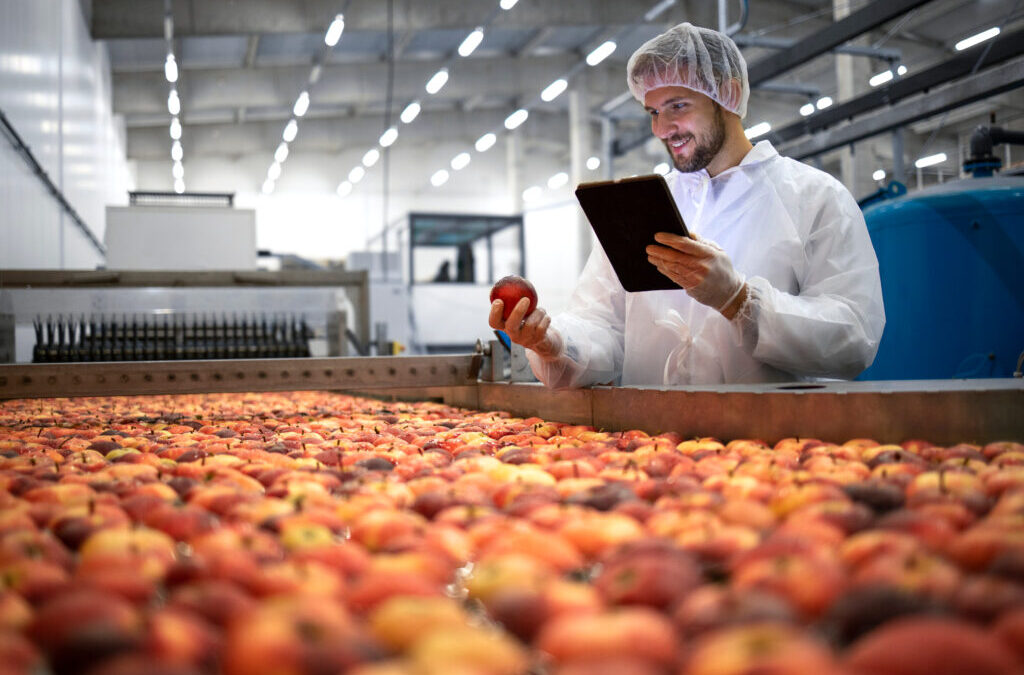
The food industry is undergoing rapid transformation, driven by the need for higher efficiency, safety, and quality. At the heart of this evolution lies sensor technology, which plays a pivotal role in automating and optimizing food processing lines. From monitoring temperature and humidity to ensuring product consistency and compliance, sensors have become indispensable tools for modern manufacturers.
Adopting advanced sensors not only helps companies meet stringent regulatory standards but also enhances traceability, reduces waste, and improves overall productivity. As the industry continues to embrace digitalization and automation, understanding the latest developments in sensor solutions is crucial for staying competitive.
For those interested in exploring creative approaches to industrial photography, you might find inspiration in motion blur composition examples that showcase dynamic production environments.
Understanding the Role of Sensors in Food Processing
Sensors are the backbone of modern food manufacturing. They provide real-time data that enables precise control over every stage of production, from raw material intake to packaging. By integrating sensor technology for food processing lines, manufacturers can automate quality checks, monitor environmental conditions, and detect anomalies before they escalate into costly problems.
The main functions of sensors in food processing include:
- Quality assurance: Detecting contaminants, measuring color, and verifying product consistency.
- Process control: Monitoring temperature, pressure, flow, and humidity to maintain optimal conditions.
- Traceability: Tracking products throughout the supply chain for safety and compliance.
- Predictive maintenance: Identifying equipment wear and potential failures before they cause downtime.
Types of Sensors Used in Food Manufacturing
A wide variety of sensors are deployed across food processing lines, each designed for specific applications. Understanding the different types helps in selecting the right solution for your facility.

Temperature and Humidity Sensors
Maintaining precise temperature and humidity is essential for food safety and product quality. These sensors are used in cooking, cooling, storage, and transportation to ensure that products remain within safe parameters. Advanced models offer wireless connectivity and integration with process control systems.
Proximity and Presence Sensors
Proximity sensors detect the presence or absence of objects on the production line. They are commonly used for counting products, verifying packaging, and ensuring that machinery operates only when materials are correctly positioned.
Optical and Vision Sensors
Optical sensors and machine vision systems are employed for tasks such as color sorting, label verification, and surface inspection. These technologies enable automated rejection of defective products and help maintain consistent quality.
Pressure and Flow Sensors
Monitoring pressure and flow is vital in processes involving liquids, gases, or powders. These sensors help regulate mixing, pumping, and filling operations, ensuring accurate dosing and reducing waste.
Load Cells and Weighing Sensors
Load cells provide precise weight measurements for batching, portioning, and packaging. Integrated with control systems, they help automate filling and ensure compliance with labeling regulations.
Benefits of Implementing Advanced Sensor Solutions
Integrating modern sensors into food processing lines delivers a range of benefits that go beyond basic automation. Some of the key advantages include:
- Enhanced product quality: Continuous monitoring ensures consistent standards and reduces the risk of recalls.
- Increased efficiency: Automated data collection and process control minimize manual intervention and speed up production.
- Improved safety: Sensors detect hazardous conditions and help maintain compliance with food safety regulations.
- Cost savings: Early detection of issues reduces waste, downtime, and maintenance expenses.
- Data-driven decision making: Real-time analytics enable proactive management and process optimization.

Key Considerations for Selecting Sensor Technology
Choosing the right sensors for your processing line requires careful evaluation of several factors. Here are some important aspects to consider:
- Application requirements: Identify the specific parameters you need to monitor (e.g., temperature, pressure, contamination).
- Environmental conditions: Ensure sensors can withstand washdowns, extreme temperatures, and exposure to chemicals.
- Integration capabilities: Look for compatibility with existing control systems and data platforms.
- Accuracy and reliability: Select sensors with proven performance and minimal maintenance needs.
- Regulatory compliance: Verify that sensors meet industry standards for food safety and traceability.
Predictive Maintenance and Smart Manufacturing
One of the most significant trends in the industry is the shift toward predictive maintenance, enabled by advanced sensor networks and data analytics. By continuously monitoring equipment health, manufacturers can anticipate failures and schedule maintenance proactively, minimizing unplanned downtime.
To learn more about the importance of predictive maintenance in food and beverage manufacturing, visit why food and beverage manufacturing must embrace predictive maintenance for a detailed breakdown of strategies and benefits.
Integrating IoT and Data Analytics
The integration of sensors with the Industrial Internet of Things (IIoT) is transforming food processing operations. Smart sensors can transmit data wirelessly to centralized platforms, enabling remote monitoring and advanced analytics. This connectivity supports real-time decision-making, predictive quality control, and rapid response to process deviations.
With the right infrastructure, manufacturers can gain a holistic view of their operations, identify inefficiencies, and implement continuous improvement initiatives. The result is a more agile, resilient, and competitive production environment.
Challenges in Adopting Sensor Technology
While the benefits are clear, implementing advanced sensor solutions comes with challenges. Common obstacles include:
- Initial investment: Upgrading legacy systems and training staff can require significant resources.
- Data management: Handling large volumes of sensor data demands robust IT infrastructure and cybersecurity measures.
- System integration: Ensuring seamless communication between sensors, controllers, and enterprise systems can be complex.
- Change management: Shifting to automated processes may face resistance from personnel accustomed to manual methods.
Addressing these challenges involves careful planning, stakeholder engagement, and choosing technology partners with proven expertise in the food sector.
Future Trends in Sensor Technology for Food Processing
The future of food manufacturing will be shaped by further advancements in sensor technology. Key trends to watch include:
- Miniaturization: Smaller, more versatile sensors that can be embedded directly into equipment and packaging.
- Artificial intelligence: AI-powered analytics for automated defect detection and process optimization.
- Wireless and battery-free sensors: Reducing maintenance and enabling flexible deployment across facilities.
- Blockchain integration: Enhancing traceability and transparency throughout the supply chain.
Staying informed about these developments will help manufacturers remain at the forefront of industry innovation.
FAQ: Sensor Technology in Food Processing
What are the most common sensors used in food processing lines?
Typical sensors include temperature and humidity sensors, proximity detectors, optical and vision systems, pressure and flow monitors, and load cells. Each serves a specific role in ensuring product quality, safety, and process efficiency.
How do sensors improve food safety and compliance?
Sensors provide continuous monitoring of critical parameters, enabling rapid detection of deviations that could compromise safety. Automated data logging supports compliance with industry regulations and simplifies traceability in the event of a recall.
What should manufacturers consider when upgrading to smart sensors?
Key considerations include compatibility with existing systems, environmental durability, data integration capabilities, and adherence to food safety standards. It’s also important to plan for staff training and ongoing maintenance.
As sensor technology continues to evolve, food manufacturers who invest in the right solutions will be well-positioned to meet the demands of a dynamic market and deliver products that are safe, high-quality, and efficiently produced.