
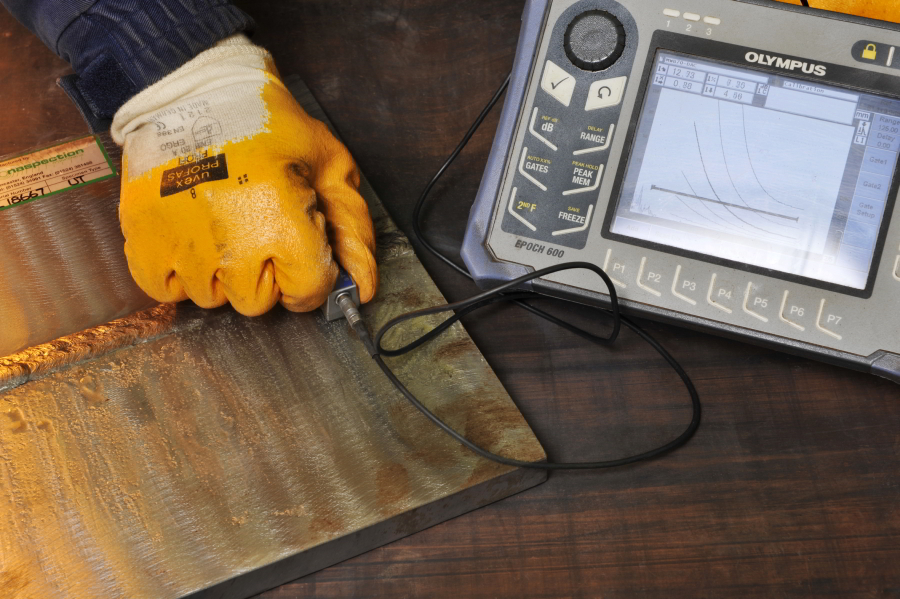
In the fast-paced world of industry, ensuring the quality of products is crucial. With the advancement in technology, the use of AI based synchronization in inspection tools is becoming a game-changer. This innovative approach not only enhances the precision of inspections but also streamlines the entire process, making it more efficient and reliable. Industry professionals are increasingly recognizing the potential of AI to transform quality assurance practices.

Understanding AI Based Synchronization
At its core, AI based synchronization refers to the integration of artificial intelligence with inspection tools to coordinate and optimize the inspection processes. This involves the use of algorithms that can analyze large datasets, identify patterns, and make decisions in real-time, thereby improving the accuracy and speed of inspections.
How AI Enhances Inspection Tools
Inspection tools equipped with AI capabilities can process data much faster than traditional methods. The synchronization aspect ensures that these tools work harmoniously, reducing the chances of errors and inconsistencies. For example, AI can help in synchronizing optical inspection devices, a topic extensively covered in this article.
Benefits of AI Based Synchronization
Increased Accuracy
The primary advantage of using AI based synchronization in inspection tools is the significant increase in accuracy. AI algorithms can detect minute defects that might be missed by human inspectors, ensuring that only products that meet the highest quality standards are approved.
Improved Efficiency
By automating the synchronization process, AI reduces the time required for inspections. This not only speeds up the production process but also allows human inspectors to focus on more complex tasks that require human judgment.
Applications in Various Industries
Manufacturing
In the manufacturing sector, where precision is paramount, AI based synchronization plays a crucial role. It ensures that each component is inspected thoroughly, reducing the risk of defects in the final product.
Construction
The construction industry benefits from AI synchronization by ensuring that materials and structures meet safety and quality standards. This is particularly important in projects where safety is a top priority.
Challenges and Solutions
Integration with Existing Systems
One of the challenges of implementing AI based synchronization is integrating it with existing systems. However, with the right approach and resources, these challenges can be overcome. More insights on this can be found in a detailed discussion on synchronization during calibration tests.
Data Security
As with any AI application, data security remains a concern. Ensuring that data is protected and used ethically is crucial to the successful implementation of AI-based systems.
Future Prospects
The future of AI based synchronization in inspection tools looks promising. With continuous advancements in AI technology, we can expect even more sophisticated and efficient inspection tools that will further revolutionize quality assurance practices across industries.
Conclusion
In conclusion, AI based synchronization in inspection tools is a transformative development in the field of quality assurance. By enhancing accuracy, efficiency, and reliability, it holds the potential to significantly improve the way inspections are conducted in various industries. For those interested in exploring more about the role of AI in inspections, the impact of synchronization on inspection accuracy is a recommended read.

FAQs
What is AI based synchronization?
AI based synchronization involves the integration of artificial intelligence with inspection tools to enhance and optimize the inspection processes.
How does AI improve inspection accuracy?
AI improves accuracy by analyzing large datasets, identifying patterns, and making real-time decisions that reduce errors and inconsistencies.
What industries benefit from AI based synchronization?
Industries such as manufacturing, construction, and others that require precise quality assurance processes benefit greatly from AI based synchronization.
For further reading on inspection practices, you can visit an external resource on the frequency of equipment inspections.
This article contains affiliate links. We may earn a commission at no extra cost to you.