

In today’s fast-paced world, the integration of AI-driven diagnostics for package units is transforming the HVAC industry. With the increasing demand for efficient and reliable heating, ventilation, and air conditioning systems, the application of artificial intelligence has become a game changer. This article explores how AI technology is enhancing the performance and maintenance of package units, ensuring a more comfortable and energy-efficient environment.
The Role of AI in Modern HVAC Systems
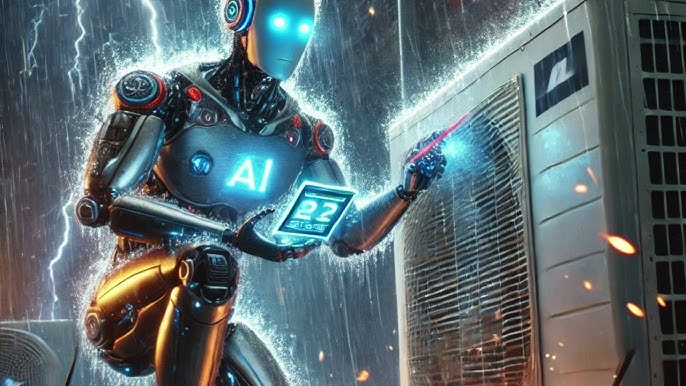
The HVAC industry is undergoing a significant transformation with the introduction of AI technology. AI-driven diagnostics provide an advanced approach to monitoring and maintaining HVAC systems, including package units. By utilizing machine learning algorithms and data analysis, AI can predict potential issues, optimize performance, and reduce downtime.
Understanding Package Units
Package units are self-contained systems that provide heating and cooling solutions for residential and commercial buildings. These units are known for their compact design and ease of installation, making them a popular choice for various applications. However, like any other mechanical system, package units require regular maintenance and monitoring to ensure optimal performance.
How AI-Driven Diagnostics Work
AI-driven diagnostics utilize advanced algorithms and data analysis to monitor the performance of package units. These systems collect data from various sensors and use machine learning to identify patterns and predict potential issues. By analyzing this data in real-time, AI can provide valuable insights into the system’s performance and suggest necessary actions to prevent failures.
Benefits of AI-Driven Diagnostics for Package Units
The integration of AI-driven diagnostics in package units offers numerous benefits, including:
Predictive Maintenance
Predictive maintenance is one of the most significant advantages of AI-driven diagnostics. By analyzing data and identifying patterns, AI can predict potential failures and suggest preventive measures. This proactive approach helps reduce downtime and extends the lifespan of the system.
Energy Efficiency
AI-driven diagnostics optimize the performance of package units, ensuring they operate at peak efficiency. By monitoring energy consumption and adjusting settings accordingly, AI can significantly reduce energy costs and minimize environmental impact.
Improved Reliability
With AI-driven diagnostics, package units become more reliable and less prone to unexpected failures. The continuous monitoring and analysis of system data enable early detection of issues, allowing for timely intervention and minimizing the risk of costly repairs.
AI-Driven Diagnostics in Action
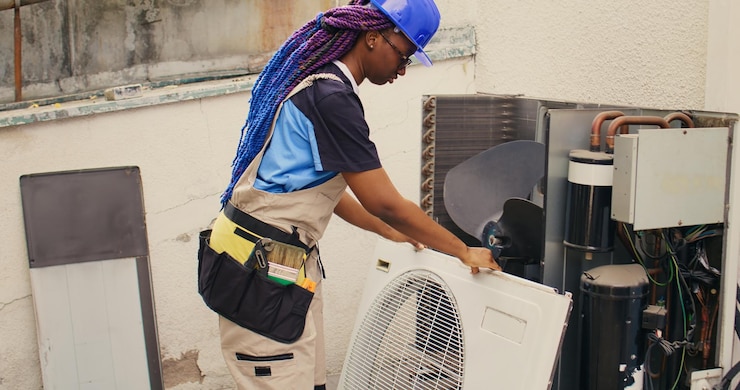
Several companies are already implementing AI-driven diagnostics in their HVAC systems. For example, automated refrigerant detection technology uses AI to monitor refrigerant levels and prevent leaks. Similarly, HVAC technician tools using AI provide real-time diagnostics and recommendations for maintenance.
The Future of AI in HVAC
The future of AI in the HVAC industry looks promising. As technology continues to evolve, AI-driven diagnostics will become more sophisticated, offering even greater insights and optimization capabilities. With continued advancements, AI has the potential to revolutionize the way we maintain and operate HVAC systems.
Challenges and Considerations
While AI-driven diagnostics offer numerous benefits, there are also challenges and considerations to keep in mind. These include:
Data Privacy and Security
As AI systems rely on data collection and analysis, ensuring data privacy and security is crucial. Companies must implement robust security measures to protect sensitive information and maintain customer trust.
Integration with Existing Systems
Integrating AI-driven diagnostics with existing HVAC systems can be challenging. Companies need to ensure compatibility and seamless integration to maximize the benefits of AI technology.
Cost and Investment
Implementing AI-driven diagnostics requires significant investment in technology and infrastructure. Companies must carefully evaluate the costs and benefits to determine the feasibility of adopting AI solutions.
Conclusion
The integration of AI-driven diagnostics for package units is transforming the HVAC industry, offering improved performance, reliability, and energy efficiency. As technology continues to advance, AI will play an increasingly important role in the maintenance and optimization of HVAC systems. By embracing AI-driven diagnostics, companies can stay ahead of the competition and provide superior service to their customers.
FAQs
1. What are package units in HVAC systems?
Package units are self-contained HVAC systems that provide heating and cooling solutions for buildings. They are compact and easy to install, making them a popular choice for residential and commercial applications.
2. How do AI-driven diagnostics improve HVAC performance?
AI-driven diagnostics use advanced algorithms and data analysis to monitor HVAC systems in real-time. By identifying patterns and predicting potential issues, AI can optimize performance, reduce downtime, and improve energy efficiency.
3. What are the challenges of implementing AI in HVAC systems?
Some challenges of implementing AI in HVAC systems include data privacy and security, integration with existing systems, and the cost of investment. Companies must carefully consider these factors when adopting AI-driven diagnostics.
For more information on AI and HVAC systems, visit this external resource.
This article contains affiliate links. We may earn a commission at no extra cost to you.