
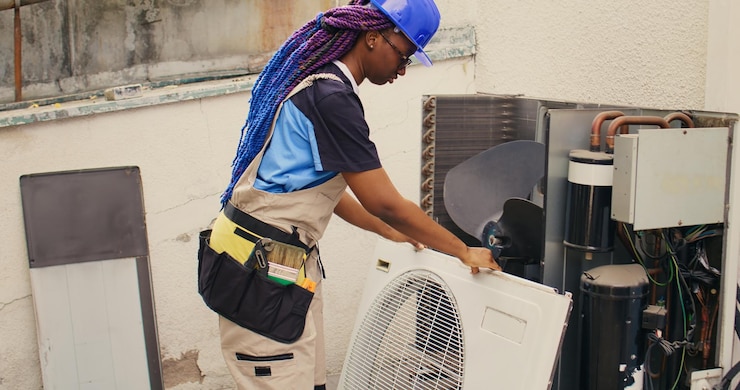
In recent years, AI fault prediction in HVAC compressors has emerged as a game-changer in the heating, ventilation, and air conditioning (HVAC) industry. By leveraging artificial intelligence, HVAC systems can now predict potential faults in compressors, enhancing efficiency and reliability.

Understanding HVAC Compressors
To comprehend the significance of AI in this domain, it’s crucial to understand what HVAC compressors do. Compressors are at the heart of HVAC systems, responsible for circulating refrigerant and regulating temperatures. When they malfunction, it can lead to inefficient cooling or heating, resulting in higher energy bills and discomfort.
Why AI Fault Prediction Matters
The primary function of AI fault prediction is to identify potential issues before they become significant problems. This proactive approach can save time, money, and resources. By predicting when a compressor might fail, maintenance can be scheduled at convenient times, reducing downtime and avoiding unexpected breakdowns.
Benefits of AI in Fault Prediction
- Cost Savings: Early detection means repairs can be less expensive than fixing a major breakdown.
- Increased Efficiency: Systems run more smoothly, maintaining optimal performance.
- Prolonged Equipment Life: Regular maintenance and timely repairs can extend the life of compressors.
How AI Technology Works
AI technology uses machine learning algorithms to analyze data from HVAC systems. This data can include temperature readings, pressure levels, and energy consumption. By analyzing patterns, AI can predict when a compressor might fail.
Data Collection
Data is collected from sensors installed in HVAC systems. These sensors continuously monitor various parameters, providing real-time feedback.
Machine Learning Algorithms
Machine learning algorithms process this data to identify patterns and trends. Over time, these algorithms improve, becoming more accurate in their predictions.
Implementing AI in HVAC Systems
The implementation of AI in HVAC systems requires careful planning and execution. It’s not just about installing sensors but also ensuring the data collected is accurate and reliable.
Choosing the Right Technology
There are numerous AI solutions available, each with its strengths and weaknesses. It’s essential to choose a technology that aligns with the specific needs of your HVAC system.
Integration with Existing Systems
AI solutions must integrate seamlessly with existing HVAC systems. This integration ensures that data is transmitted accurately and that predictions are reliable.
Challenges in AI Fault Prediction
While AI offers many benefits, it’s not without its challenges. These challenges include data quality, integration issues, and the need for continuous monitoring and updates.
Data Quality
The accuracy of AI predictions depends on the quality of the data collected. Poor data can lead to incorrect predictions, potentially causing more harm than good.
Integration Issues
Integrating AI with existing systems can be complex. Ensuring that all components work together seamlessly is crucial for accurate fault prediction.
Future of AI in HVAC Industry
The future of AI in the HVAC industry looks promising. As technology continues to evolve, AI will become even more integrated into HVAC systems, offering greater efficiency, reliability, and cost savings.
Advanced Predictive Analytics
Future advancements in AI will allow for more sophisticated predictive analytics, providing even more accurate fault predictions.
Increased Automation
As AI technology progresses, we can expect increased automation in HVAC systems, reducing the need for manual intervention.
Conclusion
AI fault prediction in HVAC compressors is revolutionizing the industry. By embracing AI, HVAC professionals can enhance system performance, reduce costs, and ensure customer satisfaction.

Frequently Asked Questions
What is AI fault prediction?
AI fault prediction involves using AI technology to anticipate potential faults in systems, such as HVAC compressors, before they occur.
How does AI improve HVAC efficiency?
AI improves efficiency by predicting faults, allowing for timely maintenance and reducing downtime.
What are the challenges of implementing AI in HVAC systems?
Challenges include data quality, integration issues, and the need for continuous monitoring and updates.
To learn more about AI’s role in HVAC systems, you can visit Avnet’s insights on AI in HVAC.
This article contains affiliate links. We may earn a commission at no extra cost to you.