

The evolution of AI has transformed many industries, and the HVAC sector is no exception. As we delve into the realm of AI for seasonal HVAC performance insights, we uncover a world where technology meets efficiency, ensuring optimal climate control throughout the year. This article explores how AI plays a pivotal role in enhancing HVAC systems, especially when dealing with seasonal changes.
Understanding HVAC Systems
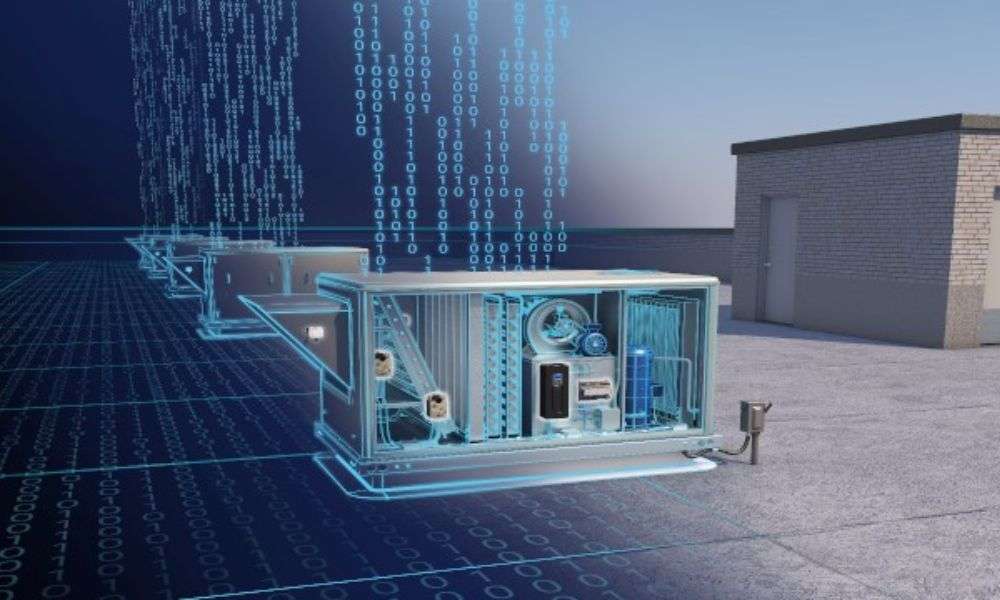
Before diving into the role of AI, it’s essential to understand what HVAC systems are and why they matter. HVAC stands for heating, ventilation, and air conditioning. These systems are crucial for maintaining indoor air quality and comfort, especially during temperature extremes.
The Need for Seasonal Insights
Seasonal changes significantly impact HVAC performance. Understanding how these changes affect system efficiency and energy consumption is vital. Traditional systems often struggle to adapt, leading to increased energy costs and reduced comfort.
Challenges Faced by Traditional HVAC Systems
Traditional HVAC systems encounter various challenges, including high energy consumption, inconsistent performance, and difficulty in adapting to seasonal fluctuations. These issues necessitate the integration of advanced technologies like AI.
The Role of AI in HVAC Systems
Artificial Intelligence brings a new dimension to HVAC systems by offering predictive analytics and real-time monitoring. AI can process vast amounts of data to provide actionable performance insights, optimizing operations based on seasonal requirements.
AI-Powered Predictive Maintenance
One of the significant advantages of AI in HVAC is predictive maintenance. By analyzing patterns and predicting failures, AI ensures that systems are serviced before breakdowns occur, enhancing reliability and efficiency.
For more details on predictive maintenance, you can visit our article on predictive maintenance.
Energy Efficiency and Cost Savings
AI helps in optimizing energy usage by adjusting system operations according to external weather conditions and internal occupancy patterns. This leads to substantial energy savings and reduced operational costs.
Seasonal Adjustments with AI
AI algorithms can automatically adjust HVAC settings based on seasonal changes, ensuring optimal performance without manual intervention. This feature is particularly useful in regions with distinct seasonal variations.
Real-Time Monitoring and Control
AI allows for real-time monitoring of HVAC systems, providing insights into performance metrics and system health. This capability ensures that any issues are promptly addressed, maintaining optimal conditions year-round.
Explore how AI enhances system optimization in our detailed article on system optimization.
AI and Indoor Air Quality
Maintaining indoor air quality is crucial for health and comfort. AI helps in monitoring and managing air quality by adjusting ventilation and filtration systems based on real-time data.
To learn more about AI’s role in air quality monitoring, check out our article on indoor air quality.
The Future of AI in HVAC
The integration of AI in HVAC systems is just the beginning. Future advancements will likely include more sophisticated algorithms and integrations with other smart home technologies, further enhancing efficiency and user experience.
AI Innovations on the Horizon
Upcoming innovations in AI are expected to revolutionize how we interact with HVAC systems. These developments will provide even more precise control and efficiency, reducing the carbon footprint and improving sustainability.
Conclusion
The implementation of AI for seasonal HVAC performance insights is a game-changer, offering numerous benefits from energy efficiency to improved air quality. As technology advances, the potential for AI to transform the HVAC industry only grows, promising a future of enhanced comfort and sustainability.
For further reading on AI’s impact on HVAC systems, visit this external resource.
FAQ
1. How does AI improve HVAC efficiency?
AI improves HVAC efficiency by optimizing energy usage and providing predictive maintenance, reducing operational costs and enhancing system reliability.
2. Can AI help in maintaining indoor air quality?
Yes, AI can monitor and adjust ventilation and filtration systems to maintain optimal indoor air quality based on real-time data.
3. What is the future of AI in HVAC?
The future of AI in HVAC looks promising, with advancements expected in algorithm sophistication and integrations with other smart technologies, enhancing efficiency and user experience.
This article contains affiliate links. We may earn a commission at no extra cost to you.