
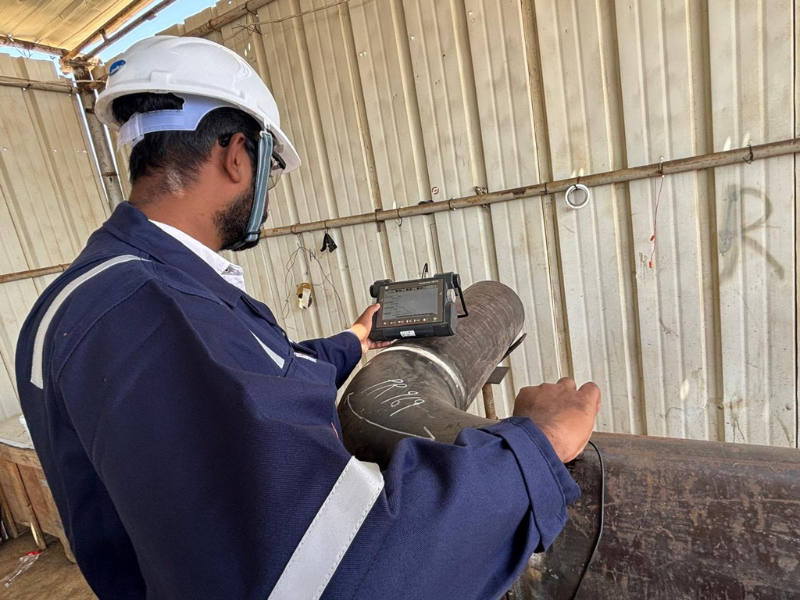
The concept of digital twins has rapidly evolved, becoming an integral part of modern industry. Paired with frequency simulation, it offers a transformative approach to how we understand and interact with complex systems. But what exactly are digital twins, and how do they work with frequency simulation to shape our world?

What are Digital Twins?
A digital twin is a virtual representation of a physical object or system. It serves as a real-time digital counterpart, allowing for simulations and analysis without the need for physical trials. This technology is particularly valuable in industries where real-world testing can be costly or risky.
Importance of Frequency Simulation
Frequency simulation is crucial in predicting how systems will perform under various conditions. By understanding the frequencies at which systems operate, engineers and analysts can foresee potential issues and optimize performance. This is especially important in sectors like aerospace, automotive, and manufacturing.
The Role of Digital Twins in Frequency Simulation
Combining digital twins with frequency simulation allows for a more comprehensive analysis of systems. By simulating frequencies on digital twins, engineers can test scenarios that would be impossible or impractical in the real world. This integration enhances predictive maintenance and helps in the design of more resilient systems.
Applications in Industry
Industries are leveraging digital twins and frequency simulation to improve efficiency and safety. For instance, in the automotive industry, digital twins are used to simulate vehicle performance under various driving conditions, helping to design safer and more efficient cars. Similarly, in manufacturing, these technologies enable the simulation of production lines to optimize output and minimize downtime.
Enhancing Safety and Compliance
In industries where safety is paramount, such as aviation and construction, digital twins and frequency simulation play a critical role. They allow for the testing of safety protocols and compliance measures without the risks associated with physical trials. This not only helps in meeting regulatory requirements but also ensures the safety of workers and end-users.
The Future of Digital Twins and Frequency Simulation
The future of digital twins and frequency simulation is bright, with advancements in technology making these tools more accessible and powerful. As industries continue to embrace digital transformation, the role of these technologies will only grow, offering new opportunities for innovation and efficiency.
Integration with AI and Machine Learning
The integration of AI and machine learning with digital twins is already underway, promising even more sophisticated simulations and analyses. This combination allows for real-time data processing and predictive analytics, further enhancing the capabilities of digital twins and frequency simulation.
Challenges and Considerations
Despite their potential, the implementation of digital twins and frequency simulation comes with challenges. Data security, integration with existing systems, and the need for skilled personnel are some of the hurdles industries must overcome. However, with strategic planning and investment, these challenges can be addressed.
Data Security Concerns
As with any digital technology, data security is a significant concern. Protecting the sensitive data used in digital twin simulations is paramount, requiring robust cybersecurity measures and protocols.
Conclusion
The synergy between digital twins and frequency simulation represents a significant leap forward in industrial technology. By providing a framework for more accurate and efficient system analysis, these tools are paving the way for a new era of innovation and productivity. As industries continue to adapt and evolve, the importance of embracing these technologies cannot be overstated.

FAQs
What industries benefit the most from digital twins?
Industries such as automotive, aerospace, manufacturing, and healthcare are among the top beneficiaries of digital twins.
How does frequency simulation improve system performance?
By predicting how systems will behave under various conditions, frequency simulation helps optimize performance and prevent potential failures.
Are there risks associated with digital twins?
While digital twins offer numerous benefits, challenges such as data security and system integration must be carefully managed.
For further insights on low vs high frequency inspection and its implications, visit our detailed article.
For more information on safety and compliance, consider reading this article on power tool inspections.
This article contains affiliate links. We may earn a commission at no extra cost to you.