
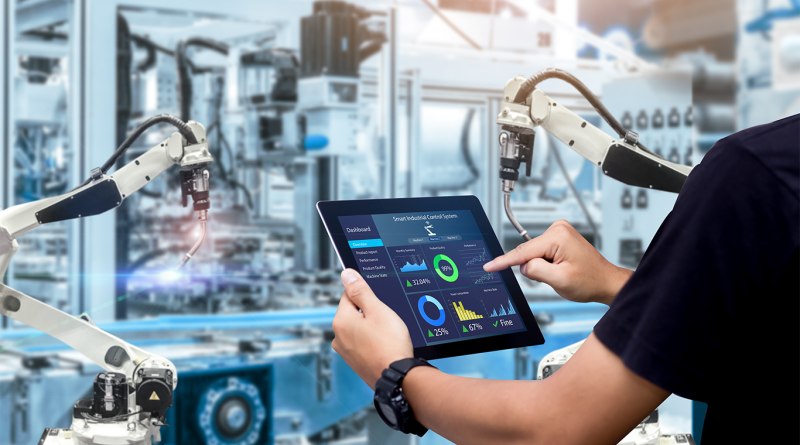
The manufacturing world is rapidly changing as digital technologies reshape how factories operate. Factory data analytics for beginners is an essential topic for anyone looking to understand how data-driven insights can improve efficiency, reduce costs, and drive smarter decisions on the shop floor. Whether you’re a plant manager, engineer, or simply curious about the future of manufacturing, this guide will break down the basics of data analytics in factories, explain key concepts, and offer practical steps to get started.
As more factories adopt digital tools and automation, understanding how to collect, analyze, and act on production data becomes a critical skill. By leveraging analytics, manufacturers can identify bottlenecks, predict maintenance needs, and optimize every stage of production. For those new to this field, it’s helpful to start with the fundamentals and build a strong foundation.
If you’re interested in the broader context of digital transformation in manufacturing, you may want to read what is a smart factory for a comprehensive introduction to connected, intelligent production environments.
Understanding the Basics of Data Analytics in Manufacturing
At its core, factory data analytics refers to the process of collecting, processing, and interpreting data generated by machines, sensors, and systems within a manufacturing facility. This data can include information about machine performance, production rates, energy usage, quality metrics, and much more. By analyzing this information, manufacturers can uncover patterns, spot inefficiencies, and make informed decisions.
For beginners, it’s important to recognize that analytics is not just about gathering data—it’s about turning raw numbers into actionable insights. This process typically involves several steps:
- Data Collection: Gathering information from machines, sensors, and software systems.
- Data Storage: Organizing and storing data in databases or cloud platforms for easy access.
- Data Processing: Cleaning and preparing data for analysis, removing errors or inconsistencies.
- Analysis: Using statistical methods, dashboards, or machine learning to find trends and patterns.
- Action: Applying insights to improve processes, reduce downtime, or boost quality.
Why Data Analytics Matters for Modern Factories
The adoption of analytics in manufacturing is driven by several key benefits. When factories use data effectively, they can:
- Increase Efficiency: Identify bottlenecks and streamline workflows to maximize output.
- Reduce Downtime: Predict equipment failures before they happen, enabling proactive maintenance.
- Improve Quality: Detect defects early and trace issues back to their source.
- Lower Costs: Optimize resource usage, energy consumption, and inventory management.
- Enhance Flexibility: Respond quickly to changes in demand or production requirements.
These advantages are central to the concept of benefits of factory automation, where data-driven decisions help manufacturers stay competitive in a fast-changing market.

Key Technologies Powering Factory Data Analytics
Several technologies work together to enable effective analytics in manufacturing settings. Understanding these building blocks will help beginners see how data flows from the shop floor to decision-makers:
- Industrial IoT (IIoT): Networks of sensors and devices that collect real-time data from machines and processes. Learn more in this introduction to industrial IoT.
- Cloud Computing: Secure, scalable platforms for storing and processing large volumes of factory data.
- Machine Learning & AI: Advanced algorithms that can detect patterns, predict failures, or optimize schedules.
- Dashboards & Visualization Tools: User-friendly interfaces that present complex data in charts, graphs, and reports.
- Digital Twins: Virtual models of factory assets or processes that simulate real-world performance. For a deeper dive, see understanding digital twin technology in factories.
Getting Started with Factory Data Analytics for Beginners
If you’re new to this area, the best approach is to start small and focus on clear, measurable goals. Here are some practical steps to begin your journey:
- Identify a Use Case: Choose a specific problem to solve, such as reducing machine downtime or improving product quality.
- Map Your Data Sources: List the machines, sensors, and systems that generate relevant data.
- Collect and Organize Data: Use simple tools (like spreadsheets or basic databases) to gather initial data sets.
- Analyze and Visualize: Look for trends or outliers using basic charts or free analytics software.
- Act on Insights: Implement small changes based on your findings and measure the results.
- Scale Up: As you gain confidence, explore more advanced tools and expand your analytics efforts.
Remember, the goal is not to become an expert overnight, but to build a habit of data-driven decision-making. Many manufacturers start with pilot projects before rolling out analytics across the entire factory.
Common Challenges and How to Overcome Them
While the benefits are clear, implementing analytics in a factory setting is not without obstacles. Beginners often encounter challenges such as:
- Data Silos: Information trapped in separate systems or departments, making it hard to get a complete picture.
- Legacy Equipment: Older machines may lack digital connectivity or standardized data formats.
- Skills Gap: Staff may need training to interpret data and use analytics tools effectively.
- Change Management: Shifting to a data-driven culture can require new processes and mindsets.
Overcoming these hurdles often involves investing in new technologies, fostering collaboration between IT and operations, and providing ongoing education for employees. Many organizations find it helpful to partner with technology providers or consultants who specialize in manufacturing analytics.
Real-World Examples and Industry Trends
Across the globe, manufacturers are using analytics to transform their operations. For instance, predictive maintenance powered by machine learning can forecast equipment failures days or weeks in advance, saving significant costs. Quality control systems now use real-time data to catch defects as soon as they occur, reducing waste and rework.
The rise of how Industry 4.0 is transforming manufacturing highlights how interconnected systems and advanced analytics are becoming standard in modern factories. As these technologies mature, even small and medium-sized manufacturers can access powerful tools that were once only available to industry giants.
For a broader perspective on smart manufacturing, see this detailed explanation of smart factory concepts and how they relate to analytics.
FAQ: Factory Data Analytics for Beginners
What types of data are most important for factory analytics?
Key data sources include machine performance metrics, production output, downtime records, energy usage, and quality inspection results. The most valuable data depends on your specific goals, such as improving efficiency or reducing defects.
Do I need advanced programming skills to start with factory analytics?
Not necessarily. Many analytics tools offer user-friendly dashboards and visualizations that require minimal coding. However, as your projects become more complex, basic knowledge of data analysis or programming can be helpful.
How can small manufacturers benefit from data analytics?
Even with limited resources, small factories can use analytics to identify inefficiencies, reduce downtime, and improve product quality. Starting with simple projects and gradually scaling up is a practical approach for organizations of any size.