
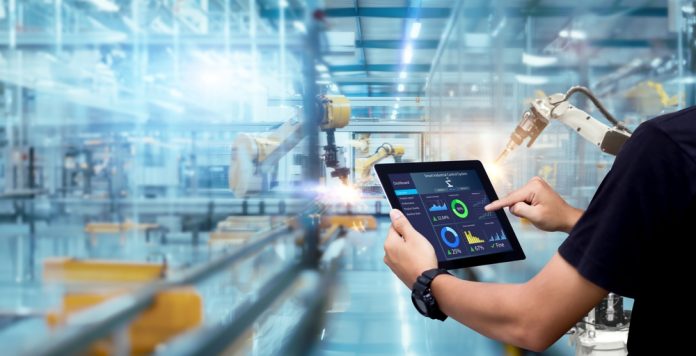
The manufacturing sector is undergoing a profound shift, driven by the integration of digital technologies and automation. This new era, often referred to as Industry 4.0, is reshaping how products are designed, produced, and delivered. By blending advanced robotics, data analytics, artificial intelligence, and the Internet of Things (IoT), factories are becoming smarter, more efficient, and highly adaptable to changing demands.
As organizations seek to remain competitive, understanding how Industry 4.0 is transforming manufacturing is essential. This article explores the key technologies, benefits, and challenges associated with this industrial revolution, providing practical insights for businesses aiming to modernize their operations.
For those interested in exploring the concept of smart factories and their advantages, resources such as this detailed overview of smart factory benefits offer additional context.
Core Technologies Driving the Fourth Industrial Revolution
The foundation of this transformation lies in the convergence of several digital technologies. These innovations are not isolated; rather, they work together to create connected, intelligent production environments.
- Internet of Things (IoT): Sensors and devices collect real-time data from machines, products, and systems, enabling continuous monitoring and optimization.
- Artificial Intelligence (AI) and Machine Learning: Algorithms analyze large datasets to identify patterns, predict failures, and automate decision-making.
- Advanced Robotics: Collaborative robots (cobots) work alongside humans, increasing productivity and safety.
- Cloud Computing: Centralized data storage and processing allow for scalable, flexible operations and easier integration across sites.
- Big Data Analytics: Manufacturers can extract actionable insights from vast amounts of production data, improving efficiency and product quality.
- Cyber-Physical Systems: These integrate physical machinery with digital controls, creating a seamless interface between the virtual and real worlds.
Impact of Digital Transformation on Manufacturing Processes
The adoption of these technologies is revolutionizing traditional manufacturing in several key ways. Factories are moving from isolated, manual processes to interconnected, automated systems that can adapt rapidly to market changes.
Enhanced Efficiency and Productivity
By leveraging real-time data and automation, manufacturers can streamline operations, reduce downtime, and minimize waste. Predictive maintenance, powered by AI and IoT, helps identify equipment issues before they cause costly breakdowns. As a result, production lines run more smoothly and output increases.
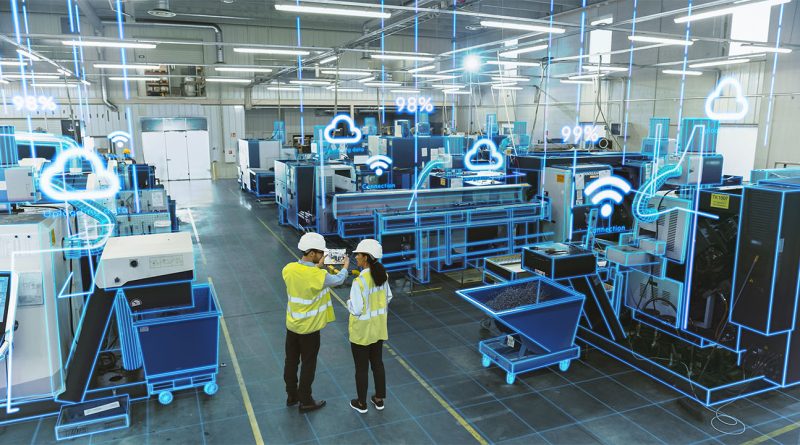
Customization and Flexibility
Modern production systems can quickly adjust to new product designs or changes in demand. This flexibility is a hallmark of how Industry 4.0 is transforming manufacturing, allowing companies to offer more customized solutions and respond faster to customer needs.
Improved Quality Control
Automated inspection systems and advanced analytics detect defects earlier in the process, reducing rework and ensuring consistent product quality. Data-driven insights help identify root causes of quality issues, enabling continuous improvement.
Workforce Evolution in the Era of Smart Manufacturing
The shift toward digital manufacturing is also changing the nature of work. While automation handles repetitive tasks, there is a growing need for skilled professionals who can manage, analyze, and optimize these advanced systems.
- Upskilling and Reskilling: Employees are learning to work with new technologies, such as programming robots or interpreting data analytics.
- Human-Machine Collaboration: Rather than replacing workers, smart systems often augment human capabilities, enabling teams to focus on higher-value activities.
- Safety Improvements: Automation reduces exposure to hazardous tasks, while real-time monitoring enhances workplace safety.

Challenges and Considerations for Adopting Industry 4.0
While the benefits are significant, transitioning to digital manufacturing comes with its own set of challenges. Organizations must carefully plan their strategies to ensure successful implementation.
- Integration Complexity: Connecting legacy equipment with new digital systems can be technically demanding and may require significant investment.
- Cybersecurity Risks: As factories become more connected, protecting sensitive data and systems from cyber threats becomes critical.
- Change Management: Shifting to new ways of working requires cultural adaptation and strong leadership to guide teams through the transition.
- Cost of Implementation: Upfront expenses for new technologies can be substantial, though long-term gains often justify the investment.
Real-World Applications and Success Stories
Numerous manufacturers have already realized substantial gains by embracing digital transformation. Examples include:
- Automotive companies using AI-driven robots to assemble vehicles with greater precision and speed.
- Electronics manufacturers employing IoT sensors to monitor equipment health, reducing unplanned downtime.
- Food and beverage producers leveraging data analytics to optimize supply chains and minimize waste.
These real-world cases highlight the tangible value that digital technologies bring to the production floor, from cost savings to improved customer satisfaction.
Getting Started with Smart Manufacturing Initiatives
For organizations looking to modernize their operations, the journey typically begins with a clear assessment of current capabilities and future goals. Key steps include:
- Evaluate Existing Infrastructure: Identify which processes and equipment can be upgraded or connected to digital systems.
- Set Clear Objectives: Define what you hope to achieve, such as increased efficiency, better quality, or enhanced flexibility.
- Start Small: Pilot projects allow teams to test new technologies and refine approaches before scaling up.
- Invest in Training: Equip your workforce with the skills needed to thrive in a digital environment.
- Monitor and Adapt: Use data-driven insights to continuously improve processes and adapt to evolving market demands.
Frequently Asked Questions
What Is Industry 4.0 and How Does It Differ from Previous Industrial Revolutions?
Industry 4.0 refers to the integration of digital technologies, automation, and data exchange in manufacturing. Unlike earlier revolutions that focused on mechanization, mass production, or electronics, this phase emphasizes connectivity, real-time data, and intelligent systems that enable smarter, more adaptive operations.
How Can Small and Medium Manufacturers Benefit from Digital Transformation?
Smaller manufacturers can leverage scalable solutions such as cloud-based analytics, affordable IoT devices, and collaborative robots. These tools help improve efficiency, reduce costs, and enable greater customization, making advanced manufacturing accessible beyond large enterprises.
What Are the Main Barriers to Implementing Industry 4.0 Technologies?
Common obstacles include the complexity of integrating new and legacy systems, cybersecurity concerns, high initial investment costs, and the need for workforce training. Addressing these challenges requires careful planning, strong leadership, and a willingness to adapt.
Conclusion
The rise of smart factories and digital production marks a pivotal moment for the manufacturing industry. By embracing the principles and technologies of Industry 4.0, companies can unlock new levels of efficiency, flexibility, and innovation. While the path to transformation involves challenges, the long-term rewards are substantial for those prepared to invest in the future of manufacturing.