
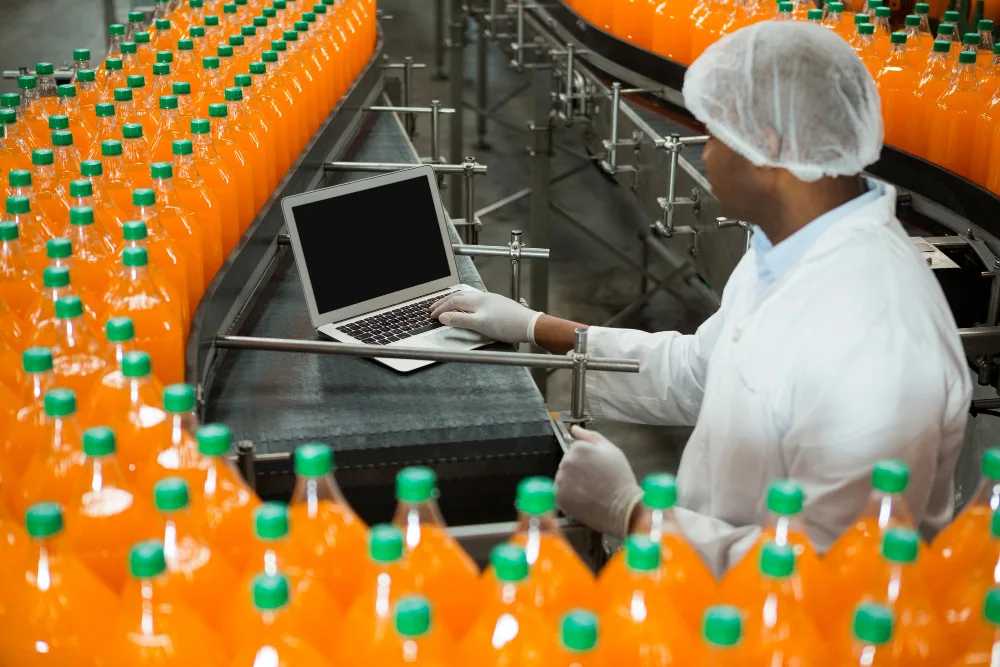
The food industry is undergoing a rapid transformation, driven by the integration of advanced technologies. Among these, predictive tools are reshaping how food processing plants operate, enabling smarter decision-making, improved efficiency, and enhanced product quality. Understanding how predictive tools work in food processing is crucial for manufacturers aiming to stay competitive and compliant in an evolving market.
This guide explores the fundamentals of predictive analytics in food manufacturing, the technologies behind them, and the practical benefits they deliver. Whether you manage a large-scale facility or are interested in the future of food production, you’ll gain actionable insights into the role of data-driven tools in modern processing environments.
For those interested in creative approaches to visual storytelling, you might also find inspiration in motion blur composition examples that showcase dynamic perspectives in photography.
Understanding Predictive Analytics in Food Manufacturing
Predictive analytics refers to the use of statistical algorithms, machine learning, and data mining to forecast future outcomes based on historical and real-time data. In food processing, these tools help anticipate equipment failures, optimize production schedules, and maintain consistent product quality.
By leveraging large volumes of data collected from sensors, production lines, and quality control checkpoints, manufacturers can identify patterns and trends that would be difficult or impossible to detect manually. This proactive approach reduces downtime, minimizes waste, and supports continuous improvement initiatives.

Key Technologies Behind Predictive Tools in Food Processing
Several core technologies power predictive systems in food manufacturing:
- Internet of Things (IoT) Sensors: These devices collect real-time data on temperature, humidity, vibration, and other critical parameters throughout the production process.
- Machine Learning Algorithms: By analyzing historical and real-time data, these algorithms can detect anomalies, predict failures, and recommend corrective actions.
- Cloud Computing: Centralized data storage and processing enable scalable analytics and remote monitoring of multiple facilities.
- Data Visualization Tools: Dashboards and reports present complex analytics in an accessible format, allowing operators to make informed decisions quickly.
Together, these technologies form the backbone of predictive maintenance, quality assurance, and supply chain optimization in the food sector.
Applications of Predictive Tools in Food Processing Plants
Predictive solutions are applied across a range of food processing operations. Here are some of the most impactful use cases:
- Predictive Maintenance: By monitoring equipment health, predictive systems can forecast when machines are likely to fail, allowing for timely repairs and reducing unplanned downtime. For a deeper look at this topic, see this in-depth article on predictive maintenance in the food industry.
- Quality Control: Predictive analytics help maintain consistent product quality by identifying deviations in process parameters that could lead to defects or recalls.
- Supply Chain Optimization: Forecasting demand and inventory needs ensures raw materials are available when needed, minimizing shortages and overstock situations.
- Energy Management: Analyzing energy consumption patterns helps reduce costs and improve sustainability by identifying inefficiencies in production lines.

Benefits of Predictive Analytics for Food Manufacturers
Adopting predictive tools in food processing offers a range of tangible benefits:
- Reduced Downtime: Early detection of equipment issues allows for scheduled maintenance, minimizing costly production stoppages.
- Improved Product Consistency: Real-time monitoring and analytics help maintain strict quality standards across batches.
- Lower Operational Costs: Efficient use of resources, reduced waste, and optimized energy consumption contribute to significant cost savings.
- Enhanced Food Safety: Predictive systems can flag potential contamination risks or process deviations before they escalate.
- Regulatory Compliance: Automated data collection and reporting simplify compliance with food safety regulations and audits.
These advantages make predictive analytics an essential investment for companies seeking to future-proof their operations and deliver safe, high-quality products to consumers.
Challenges and Considerations When Implementing Predictive Solutions
While the benefits are substantial, integrating predictive tools into food processing environments comes with challenges:
- Data Quality: Reliable predictions depend on accurate, high-quality data. Inconsistent or incomplete data can lead to false alarms or missed issues.
- Integration with Legacy Systems: Many facilities operate with older equipment that may not be compatible with modern sensors or data platforms.
- Change Management: Employees may require training to interpret analytics and trust automated recommendations.
- Cost of Implementation: Upfront investment in sensors, software, and infrastructure can be significant, though often offset by long-term savings.
- Data Security: Protecting sensitive production data from cyber threats is a growing concern as more systems become connected.
Addressing these challenges requires careful planning, cross-functional collaboration, and a commitment to continuous improvement.
Best Practices for Adopting Predictive Analytics in Food Processing
To maximize the value of predictive tools, food manufacturers should consider the following best practices:
- Start with Clear Objectives: Define specific goals, such as reducing downtime or improving yield, to guide your analytics strategy.
- Pilot Programs: Test predictive solutions on a small scale before rolling them out across the entire facility.
- Invest in Training: Equip staff with the skills needed to interpret data and act on insights.
- Ensure Data Integrity: Regularly calibrate sensors and validate data sources to maintain accuracy.
- Collaborate Across Departments: Involve maintenance, quality, production, and IT teams to ensure seamless integration and adoption.
By following these steps, organizations can build a strong foundation for digital transformation and continuous improvement.
Frequently Asked Questions
What types of data are most important for predictive analytics in food processing?
Key data sources include equipment sensor readings (temperature, vibration, pressure), production line metrics (speed, yield), quality control results, and environmental factors such as humidity and air quality. The more comprehensive and accurate the data, the better the predictive outcomes.
How do predictive tools improve food safety?
Predictive analytics can identify early warning signs of contamination, equipment malfunction, or process deviations that could compromise food safety. By acting on these insights, manufacturers can prevent issues before they reach consumers, reducing the risk of recalls and reputational damage.
Are predictive analytics suitable for small and medium-sized food businesses?
Yes, predictive tools are increasingly accessible to smaller operations thanks to affordable sensors, cloud-based platforms, and scalable software solutions. Starting with targeted pilot projects allows businesses of any size to realize benefits without large upfront investments.
Conclusion
Embracing predictive analytics is no longer optional for food processors aiming to thrive in a competitive and highly regulated market. By understanding how predictive tools work in food processing and following best practices for implementation, manufacturers can unlock new levels of efficiency, safety, and quality. As technology continues to evolve, those who invest in data-driven solutions will be best positioned to meet the demands of both regulators and consumers.