
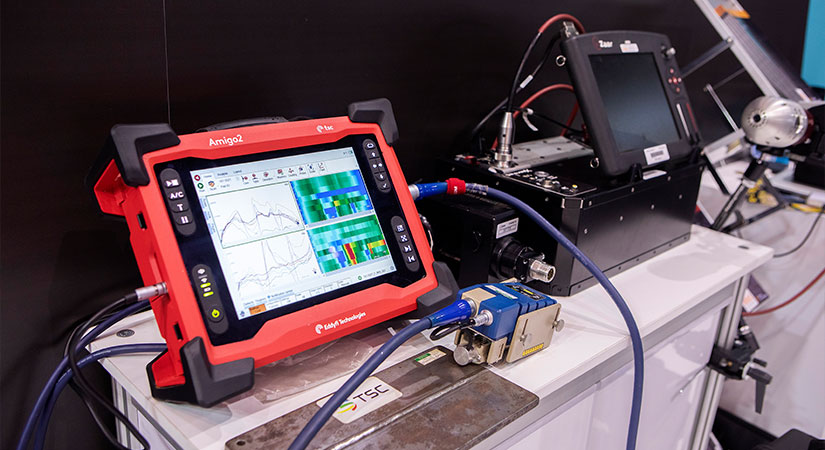
In the domain of Industry Quality Assurance, understanding how to fix frequency instability is vital. This issue, if not addressed, can lead to significant challenges in operational efficiency and product quality. Frequency instability can impact the performance of various electronic and mechanical systems, making it crucial for professionals to grasp the nuances of this problem.

Understanding Frequency Instability
Frequency instability arises when the expected synchronization of a system’s frequency deviates over time, leading to potential errors and inefficiencies. This phenomenon can be observed in various settings, from electrical systems to inspection technologies. It’s imperative for QA professionals to understand the root causes and implications of such instability.
Causes of Frequency Instability
Several factors can contribute to frequency instability, including:
- Environmental changes such as temperature fluctuations.
- Component aging that affects system performance.
- Power supply variations impacting system stability.
Effects on Inspection Technologies
In the context of inspection tools, frequency instability can lead to inaccurate readings and flawed analysis. For instance, in ultrasonic inspection, a mismatch in frequency can distort signal interpretation, as discussed in frequency mismatch issues.
Methods to Fix Frequency Instability
Addressing how to fix frequency instability involves several strategic approaches, each tailored to the specific system and industry requirements.
Regular Calibration
One of the most effective methods is regular calibration of equipment. Calibration ensures that all tools and machinery are operating at their optimal frequencies. This can significantly reduce the chances of instability.
Environmental Controls
Implementing environmental controls, such as temperature and humidity regulation, can help mitigate external factors contributing to instability. This is especially important in industries where precision is paramount.
Upgrading Components
Replacing aging components with newer, more robust alternatives can prevent frequency drift. This is particularly relevant in sectors where technology evolves rapidly, necessitating frequent updates to maintain efficiency.
Advanced Solutions for Frequency Instability
Beyond basic methods, advanced technologies offer innovative solutions for tackling frequency instability.
Synchronization Technologies
Recent innovations in synchronization technologies provide more precise control over system frequencies, minimizing the risk of instability.
Frequency Analysis Tools
Utilizing frequency analysis tools can help identify patterns and predict potential instability issues before they escalate. These tools are particularly useful in complex systems like wind turbine inspections.
Best Practices for Industry QA Professionals
Industry QA professionals must adopt best practices to effectively address frequency instability issues.
Continuous Monitoring
Implementing continuous monitoring systems can provide real-time data on frequency performance, allowing for immediate corrective actions.
Training and Awareness
Ensuring that all team members are well-versed in the causes and remedies of frequency instability is crucial. Regular training sessions can keep the team updated on the latest technologies and methods.
Collaborative Efforts
Collaboration between different departments can enhance the overall understanding and management of frequency issues. For example, working closely with the maintenance team can ensure that any mechanical adjustments are aligned with frequency stability goals.
Conclusion
Understanding how to fix frequency instability is essential for maintaining the integrity of systems across various industries. By employing a combination of regular maintenance, advanced technologies, and best practices, Industry QA professionals can effectively manage this challenge.
For further reading on equipment inspection and frequency management, consider exploring external resources such as how often should stamping tools be inspected.

FAQ
What is the main cause of frequency instability?
Frequency instability is primarily caused by environmental changes, component aging, and power supply variations.
How often should calibration be done?
Calibration frequency depends on the industry and equipment, but it is generally recommended to perform it regularly to ensure optimal performance.
Can new technology completely eliminate frequency instability?
While new technology can significantly reduce the occurrence of frequency instability, it cannot entirely eliminate it. Continuous monitoring and maintenance are still necessary.
This article contains affiliate links. We may earn a commission at no extra cost to you.