
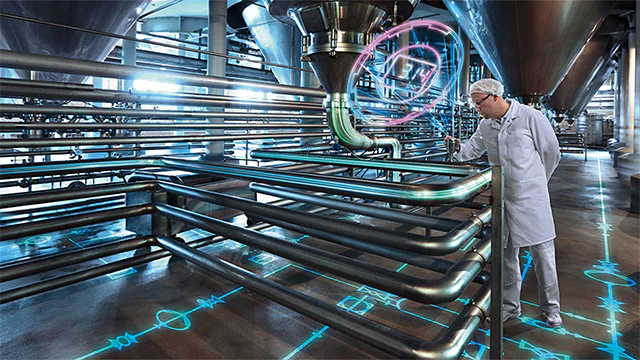
Predictive modeling is transforming the food industry by enabling producers to anticipate trends, optimize processes, and reduce waste. As the sector faces increased demand for efficiency, safety, and sustainability, leveraging data-driven techniques has become essential. This guide explores the practical steps and considerations for those looking to apply advanced analytics in food manufacturing environments.
Whether you’re managing a large processing facility or a smaller operation, understanding how to implement predictive modeling in food production can unlock significant benefits. From forecasting demand to improving quality control, these methods help businesses stay competitive and compliant with industry standards.
For those interested in creative approaches to visual storytelling, you might also find value in exploring motion blur composition examples as a way to enhance presentation and communication in food production marketing materials.
Understanding Predictive Analytics in Food Manufacturing
Predictive analytics involves using historical and real-time data to make informed forecasts about future outcomes. In the context of food manufacturing, this means analyzing production data, supply chain metrics, and quality control records to anticipate issues before they arise.
Common applications include:
- Demand forecasting to align production with market needs
- Predictive maintenance for equipment to minimize downtime
- Quality assurance by identifying patterns that lead to defects
- Inventory optimization to reduce spoilage and waste
By integrating these models, companies can improve efficiency, reduce costs, and maintain high standards of food safety.
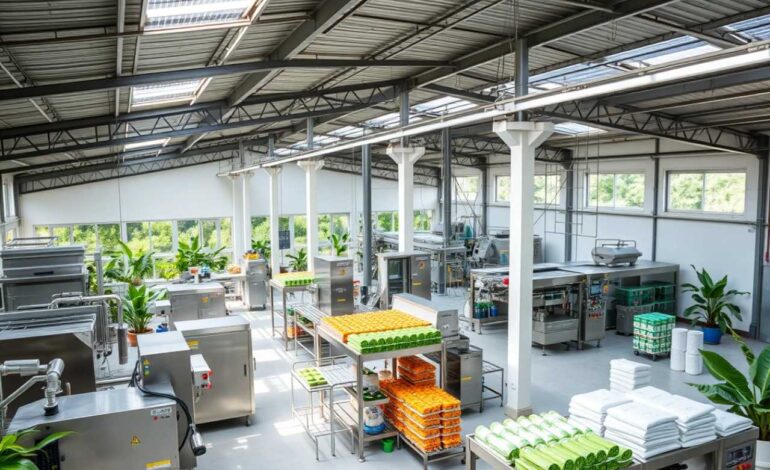
Key Steps for Integrating Predictive Modeling Techniques
To successfully adopt predictive analytics in food production, follow these essential steps:
1. Define Clear Objectives
Start by identifying the specific challenges you want to address. Are you aiming to reduce equipment failures, minimize waste, or improve product consistency? Setting clear goals ensures your modeling efforts are focused and measurable.
2. Collect and Prepare Quality Data
Data is the foundation of any predictive model. Gather relevant information from production lines, sensors, supply chain systems, and quality control logs. Ensure data is accurate, complete, and well-organized. Cleaning and preprocessing data—such as removing duplicates and handling missing values—are critical steps for reliable predictions.
3. Choose the Right Modeling Approach
Select a modeling technique that fits your objectives and available data. Common methods in food production include:
- Regression analysis for forecasting demand or shelf life
- Classification models for quality control and defect detection
- Time series analysis for predicting equipment maintenance needs
Collaborate with data scientists or analytics experts to determine the most suitable algorithms for your use case.
4. Train and Validate the Model
Use historical data to train your predictive model, then validate its accuracy with a separate dataset. Adjust parameters as needed to improve performance. Regular validation helps ensure the model remains relevant as production conditions change.
5. Deploy and Monitor in Real Time
Integrate the model into your production environment. This may involve connecting it to manufacturing execution systems (MES), enterprise resource planning (ERP) software, or custom dashboards. Continuously monitor the model’s outputs and update it with new data to maintain accuracy.
6. Foster a Data-Driven Culture
Encourage collaboration between production teams, IT, and data analysts. Provide training to help staff interpret model outputs and make informed decisions. A culture that values data-driven insights is key to sustained success.
Benefits of Predictive Modeling for Food Producers
Implementing advanced analytics in food manufacturing offers several advantages:
- Reduced downtime through proactive maintenance and early fault detection
- Improved product quality by identifying variables that impact consistency
- Lower operational costs by optimizing resource allocation and minimizing waste
- Enhanced compliance with safety standards and regulatory requirements
- Better customer satisfaction through reliable supply and consistent products
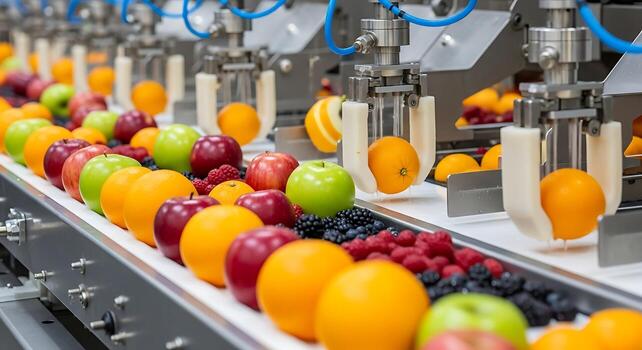
Challenges and Solutions in Adopting Predictive Analytics
While the benefits are clear, there are challenges to consider when deploying predictive models in food production environments:
- Data silos: Integrate disparate data sources to ensure a complete view of operations.
- Change management: Address resistance by involving stakeholders early and demonstrating value.
- Technical complexity: Partner with analytics experts or invest in user-friendly platforms.
- Model maintenance: Regularly retrain models with new data to maintain accuracy.
A strategic approach, combined with the right technology and training, can help overcome these obstacles.
Real-World Applications and Industry Trends
Food manufacturers are increasingly leveraging predictive analytics to stay ahead in a competitive market. For example, AI-powered systems can forecast equipment failures, allowing for timely maintenance and reducing costly downtime. To learn more about these advancements, see this resource on AI-powered predictive maintenance in food processing.
Other trends include the use of machine learning for recipe optimization, supply chain risk assessment, and automated quality inspection using computer vision. As technology evolves, expect more accessible tools and platforms tailored to the unique needs of food producers.
Best Practices for Long-Term Success
To maximize the value of predictive modeling in food manufacturing, consider these best practices:
- Start small: Pilot projects on a single line or process before scaling up.
- Engage cross-functional teams: Involve production, quality, IT, and data experts from the start.
- Invest in training: Equip staff with the skills to interpret and act on model insights.
- Continuously improve: Regularly review model performance and update as needed.
- Prioritize data security: Protect sensitive production and customer data throughout the process.
FAQ
What types of data are most important for predictive modeling in food production?
Key data sources include production line metrics, equipment sensor readings, supply chain information, and quality control records. The more comprehensive and accurate your data, the more reliable your predictions will be.
How can small food manufacturers benefit from predictive analytics?
Even smaller operations can use predictive models to optimize inventory, anticipate equipment maintenance, and improve product consistency. Many modern analytics platforms are accessible and scalable, making it easier for businesses of all sizes to adopt these techniques.
What are common pitfalls to avoid when implementing predictive models?
Avoid relying on incomplete or poor-quality data, neglecting to retrain models as conditions change, and failing to involve key stakeholders. Clear objectives, ongoing monitoring, and staff training are essential for long-term success.