
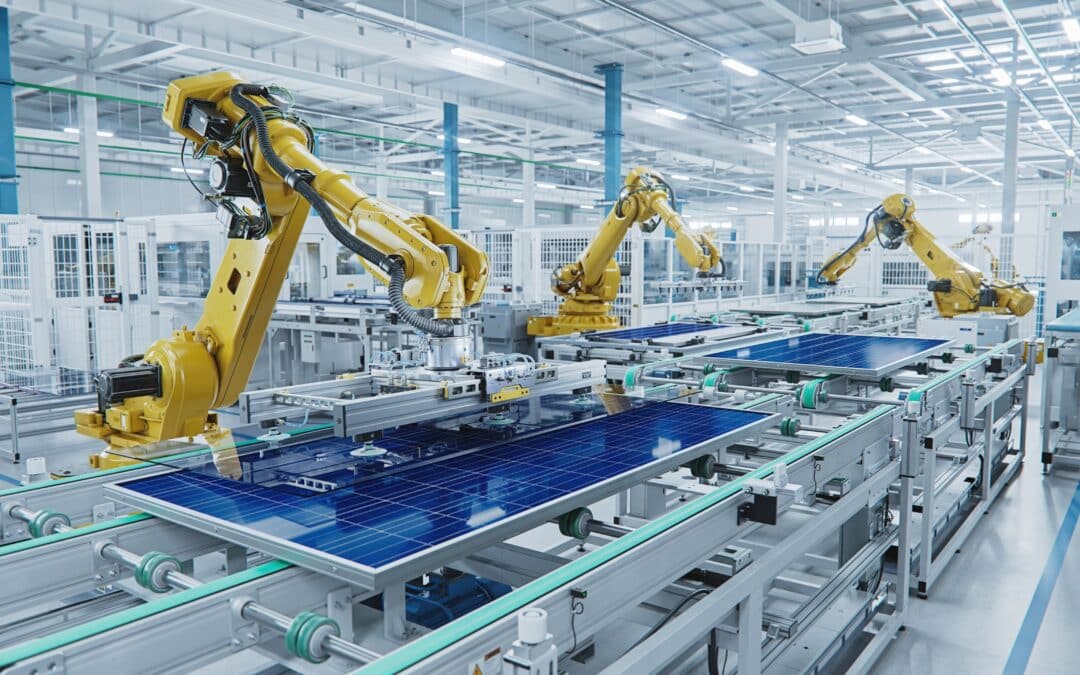
The integration of robotics within manufacturing has become a defining factor in the evolution of modern industry. As production demands grow and global competition intensifies, companies are turning to automation and advanced robotics to stay ahead. Understanding the importance of robotics in manufacturing is essential for businesses aiming to boost efficiency, improve product quality, and maintain a competitive edge.
From assembly lines to quality control, robotic systems are transforming how factories operate. These technologies not only streamline repetitive tasks but also enable new levels of precision, safety, and scalability. For organizations considering a transition to smarter production environments, exploring the benefits and practical applications of robotics is a crucial step.
For those interested in a deeper dive into the digital transformation of production, the resource what is a smart factory provides a comprehensive overview of how connected technologies are reshaping the industry.
How Robotics Drives Efficiency and Productivity
One of the most significant impacts of robotics in manufacturing is the dramatic increase in operational efficiency. Automated systems can perform repetitive tasks at speeds and with consistency that far exceed human capabilities. This leads to higher output rates, reduced cycle times, and minimized errors.
By delegating monotonous or physically demanding work to machines, manufacturers can reallocate human workers to more complex, value-added activities. This not only optimizes workforce utilization but also fosters a safer and more engaging work environment.
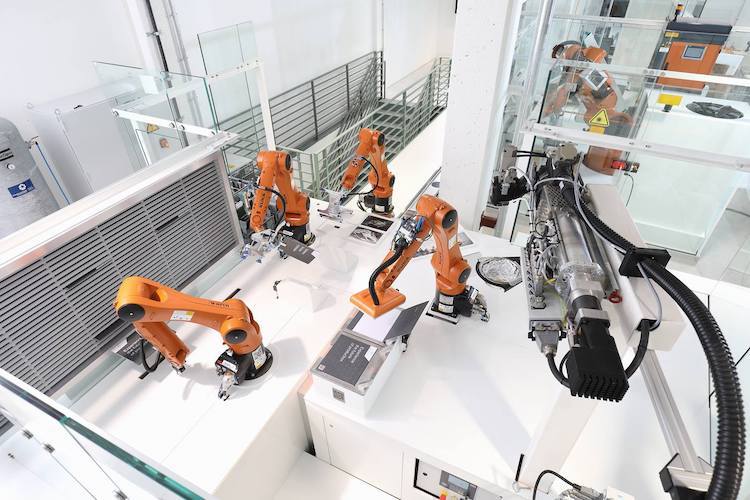
The adoption of robotics also supports lean manufacturing principles by reducing waste and optimizing resource use. Automated inspection systems, for example, can detect defects in real time, allowing for immediate corrective action and minimizing costly rework.
Enhancing Quality and Consistency with Automation
Consistency is a hallmark of automated manufacturing. Robots can perform tasks with a level of accuracy and repeatability that is difficult to achieve manually. This is especially important in industries where product quality and compliance with strict standards are non-negotiable.
Automated systems are programmed to follow precise instructions, ensuring each product meets exact specifications. This not only reduces the risk of human error but also supports traceability and quality assurance initiatives. For more details on how automation improves production, see the article on the benefits of factory automation.
Robotics and Safety in the Industrial Workplace
Safety is a top priority in any manufacturing setting. The deployment of robotics can significantly reduce workplace injuries by taking over hazardous or strenuous tasks. Robots are often used for material handling, welding, painting, and other operations that may expose workers to dangerous conditions.
By minimizing direct human involvement in risky processes, companies can lower incident rates and create safer environments. This not only protects employees but also reduces downtime and associated costs stemming from workplace accidents.
Scalability and Flexibility Through Robotic Solutions
Modern manufacturing must be agile to respond to changing market demands. Robotics provides the flexibility to quickly adapt production lines for new products or variations. Reprogrammable robots and collaborative systems (cobots) can be integrated into existing workflows with minimal disruption.
This scalability is particularly valuable for manufacturers facing fluctuating order volumes or those operating in industries with short product life cycles. The ability to retool and redeploy robotic systems enables businesses to remain responsive and competitive.
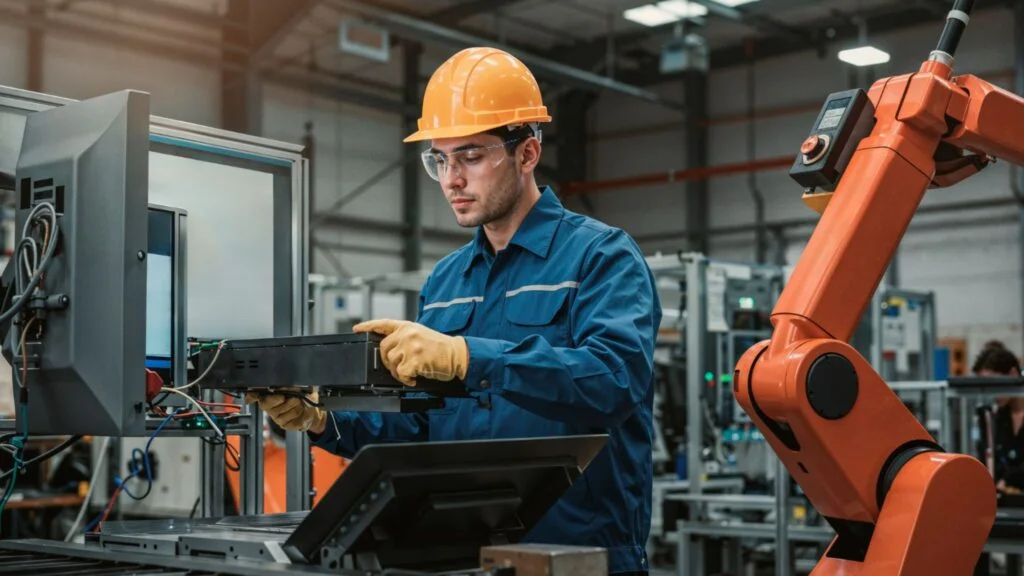
Robotics in the Era of Industry 4.0
The rise of Industry 4.0 has accelerated the adoption of robotics by integrating them with digital technologies such as the Industrial Internet of Things (IIoT), artificial intelligence, and cloud computing. This convergence enables real-time data collection, predictive maintenance, and autonomous decision-making on the factory floor.
Manufacturers leveraging these advancements can achieve new levels of operational intelligence and efficiency. To understand more about this transformation, the guide on how Industry 4.0 is transforming manufacturing offers valuable insights.
Additionally, the concept of the smart factory is closely linked to robotics, where interconnected systems work together to optimize every aspect of production.
Key Applications of Robotics in Modern Factories
Robotic technology is applied across a wide range of manufacturing processes, including:
- Assembly: Robots assemble components with speed and accuracy, reducing defects.
- Material Handling: Automated guided vehicles (AGVs) and robotic arms transport materials safely and efficiently.
- Welding and Painting: Precision robots ensure consistent welds and coatings, improving product durability.
- Inspection and Quality Control: Vision systems and sensors detect flaws, ensuring only high-quality products reach customers.
- Packing and Palletizing: Robots handle packaging and stacking, streamlining logistics and shipping.
These applications demonstrate the broad utility of robotics in enhancing productivity and maintaining high standards throughout the manufacturing process.
Challenges and Considerations in Robotic Adoption
While the advantages are clear, integrating robotics into manufacturing is not without challenges. Initial investment costs, the need for skilled personnel, and potential disruptions during implementation must be carefully managed. Companies should also consider the importance of ongoing maintenance and updates to ensure long-term reliability.
Training programs and partnerships with technology providers can help address these hurdles. For those new to industrial automation, an introduction to industrial IoT can provide foundational knowledge for successful adoption.
Looking Ahead: The Future of Robotics in Manufacturing
As technology continues to advance, the role of robotics in manufacturing will only expand. Emerging trends such as collaborative robots, machine learning, and digital twins are opening new possibilities for smarter, more adaptive production systems.
Staying informed about these developments and investing in the right solutions will be key for manufacturers aiming to thrive in a rapidly changing landscape. For a closer look at digital transformation tools, the article on understanding digital twin technology in factories is a helpful resource.
Frequently Asked Questions
How do robotics improve quality control in manufacturing?
Robotics enhance quality control by using sensors and vision systems to inspect products with high precision. Automated inspection can detect defects that might be missed by human workers, ensuring consistent quality and reducing the risk of faulty products reaching customers.
What are the main benefits of using robots in factories?
The main benefits include increased efficiency, improved safety, higher product consistency, and the ability to quickly adapt to new production requirements. Robotics also help reduce operational costs and support lean manufacturing by minimizing waste.
Are there challenges to implementing robotics in manufacturing?
Yes, challenges include the initial investment, the need for skilled technicians, and potential disruptions during installation. Ongoing maintenance and regular updates are also necessary to keep robotic systems running optimally. However, with careful planning and training, these challenges can be effectively managed.