
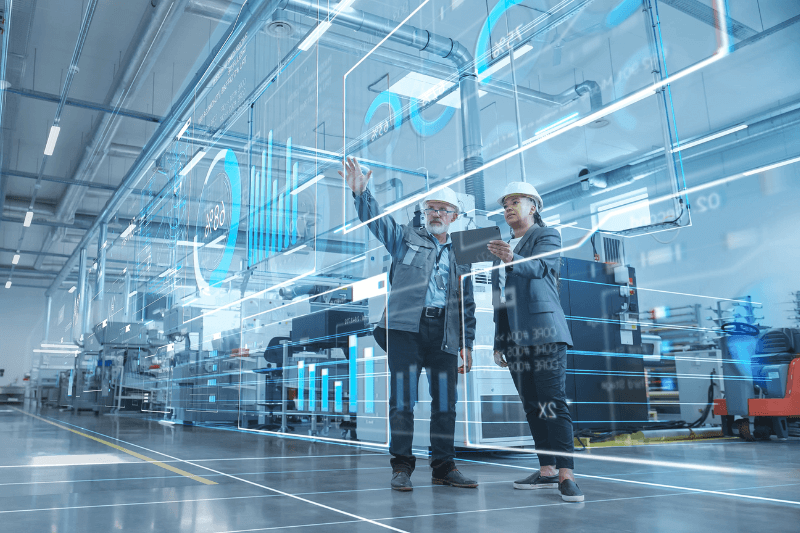
The rapid evolution of connected technologies has transformed the way industries operate. Industrial IoT (Internet of Things) refers to the integration of smart sensors, devices, and analytics into manufacturing and industrial environments. This approach enables businesses to collect real-time data, optimize processes, and enhance productivity. As organizations seek to remain competitive, understanding the fundamentals of this technology, its practical uses, and the value it brings is essential.
For those interested in how digital transformation starts at the leadership level, the role of the boardroom in smart factory adoption offers valuable insights into strategic planning for connected operations.
Understanding the Core of Industrial IoT
At its heart, industrial IoT connects machines, sensors, and control systems to a central network, enabling seamless communication and data sharing. This connectivity allows organizations to monitor equipment, track production, and automate decision-making. Unlike consumer IoT, which focuses on smart homes and personal devices, industrial IoT is tailored to the unique demands of factories, plants, and large-scale infrastructure.
The architecture typically includes:
- Smart sensors that gather data on temperature, pressure, vibration, and more
- Edge devices that process information locally before sending it to the cloud
- Centralized platforms for analytics, visualization, and control
- Secure networks to protect sensitive operational data
Key Applications Across Industries
The adoption of connected technology in industrial settings is reshaping traditional workflows. Here are some of the most impactful applications:
Predictive Maintenance and Asset Management
By continuously monitoring equipment health, organizations can anticipate failures before they occur. Sensors detect anomalies such as unusual vibrations or temperature spikes, triggering maintenance alerts. This minimizes unplanned downtime and extends the lifespan of critical assets.
Process Optimization and Automation
Real-time data from production lines enables dynamic adjustments to improve efficiency. Automated systems can respond instantly to changes in demand or material availability, reducing waste and energy consumption.
Supply Chain and Inventory Visibility
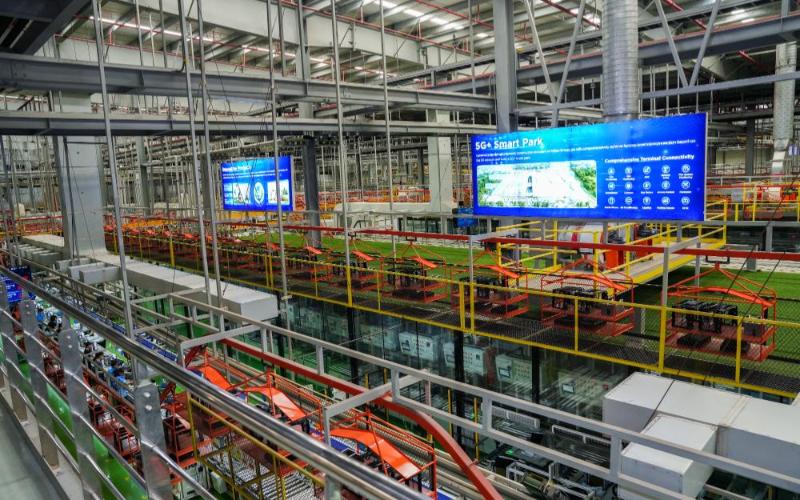
With connected assets and RFID tags, manufacturers can track materials and products throughout the supply chain. This transparency reduces bottlenecks, prevents stockouts, and enhances customer satisfaction.
Energy Management and Sustainability
Monitoring energy usage across facilities helps identify inefficiencies and optimize consumption. Automated controls can adjust lighting, heating, and cooling based on occupancy and production schedules, supporting sustainability goals.
Benefits of Embracing Connected Industrial Solutions
The shift toward industrial IoT brings measurable improvements to operational performance and business outcomes. Some of the most significant advantages include:
- Increased uptime through predictive maintenance and rapid response to issues
- Reduced operational costs by automating manual processes and optimizing resource use
- Enhanced product quality with real-time monitoring and automated quality checks
- Improved safety by detecting hazardous conditions and enabling remote monitoring
- Scalability, allowing businesses to expand operations without major infrastructure changes
Challenges and Considerations in Industrial IoT Adoption
While the advantages are clear, implementing connected systems in industrial environments presents several challenges:
- Security risks: Protecting sensitive data and critical infrastructure from cyber threats is paramount.
- Integration complexity: Legacy equipment and proprietary protocols can complicate connectivity.
- Data management: The sheer volume of data generated requires robust storage, analysis, and visualization tools.
- Workforce training: Employees must adapt to new technologies and workflows.
Addressing these issues involves careful planning, investment in secure platforms, and ongoing education for staff. Collaborating with technology partners and leveraging best practices can help organizations overcome obstacles and maximize the value of their connected initiatives.
Industrial IoT in Action: Real-World Examples
Manufacturers, utilities, and logistics providers are already reaping the rewards of digital transformation. For example, automotive plants use connected robots and sensors to automate assembly lines, while energy companies deploy remote monitoring to maintain grid stability. In logistics, real-time tracking of shipments improves delivery accuracy and reduces losses.
These practical applications demonstrate how industrial IoT is not just a theoretical concept but a proven driver of efficiency and innovation.
Getting Started with Connected Industrial Technologies
Organizations interested in leveraging these advancements should begin with a clear strategy. Steps to consider include:
- Assess current operations and identify areas for improvement through connectivity.
- Start with pilot projects to validate technology and demonstrate value.
- Invest in scalable, secure platforms that can grow with business needs.
- Engage employees in training and change management initiatives.
- Monitor progress and continuously refine processes based on data insights.
By following a structured approach, businesses can unlock the full potential of connected systems and position themselves for long-term success.
Frequently Asked Questions
What is the difference between industrial IoT and consumer IoT?
While both involve connecting devices to the internet, industrial IoT focuses on large-scale systems in manufacturing, utilities, and infrastructure. Consumer IoT is centered around personal devices like smart home products and wearables.
How does industrial IoT improve operational efficiency?
By providing real-time data and automation, connected industrial systems help organizations detect issues early, optimize resource use, and streamline workflows. This leads to reduced downtime, lower costs, and higher productivity.
What are the main security concerns with industrial IoT?
Security is a top priority due to the critical nature of industrial systems. Risks include unauthorized access, data breaches, and potential disruption of operations. Implementing strong authentication, encryption, and network segmentation helps mitigate these threats.