

Capturing the energy and rhythm of urban life often means embracing movement, not freezing it. Motion blur in street photography is a creative approach that transforms everyday scenes into dynamic, expressive images. By intentionally allowing moving subjects or backgrounds to blur, photographers can convey speed, atmosphere, and emotion in ways that sharp images sometimes cannot.
Whether you’re an experienced photographer or just starting out, learning how to use motion blur effectively can open up new possibilities for storytelling on the street. This article explores essential techniques, camera settings, and creative ideas to help you master this style. For more inspiration, you can also check out these motion blur composition examples that showcase a variety of approaches.
Understanding the Role of Motion Blur in Urban Photography
In city environments, movement is everywhere—people crossing streets, vehicles rushing by, neon lights flickering. Incorporating motion blur into your street images can highlight this constant flow, making your photos feel alive and authentic. Unlike accidental camera shake, intentional blur is a deliberate artistic choice that can:
- Emphasize speed and direction of moving subjects
- Separate static elements from dynamic ones
- Add atmosphere and mood to nighttime or low-light scenes
- Guide the viewer’s eye through the composition
Mastering this technique requires both technical understanding and creative vision. The following sections break down the practical steps to get started.
Essential Camera Settings for Capturing Movement
Achieving controlled motion blur effects in street scenes depends largely on your camera settings. The most critical factor is shutter speed. Here’s how to approach it:
- Shutter Speed: Slow down your shutter to between 1/10 and 1/60 of a second for moderate blur. For more pronounced effects, try even slower speeds, but beware of excessive camera shake.
- Aperture: Use a smaller aperture (higher f-number) to compensate for the extra light entering during longer exposures, especially in daylight.
- ISO: Keep ISO as low as possible to minimize noise, unless you’re shooting at night and need to brighten the image.
- Stabilization: Use a tripod or steady surface if you want only moving subjects to blur while keeping the background sharp.
For those just starting out, the motion blur settings for beginners guide offers a helpful step-by-step approach to dialing in your exposure.
Creative Approaches to Using Motion Blur on the Streets
There are several ways to incorporate blur into your street images, each producing a different visual effect. Here are a few popular methods:
Panning for Dynamic Subject Isolation
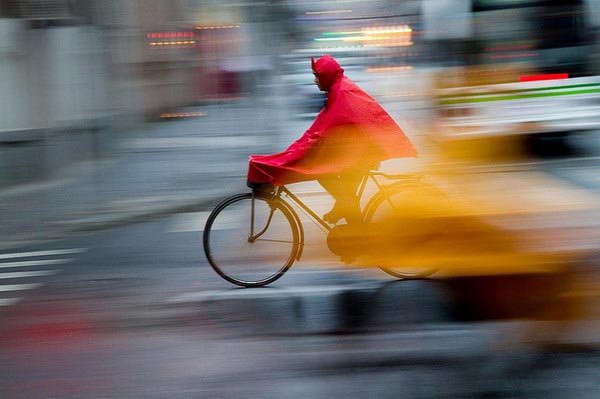
Panning involves moving your camera horizontally at the same speed as a moving subject, such as a cyclist or runner. This keeps the subject relatively sharp while blurring the background, creating a sense of motion and focus. To master panning:
- Use a shutter speed between 1/15 and 1/60 of a second
- Follow the subject smoothly as you press the shutter
- Practice timing and movement to improve your success rate
Long Exposures for Night Scenes
In low-light conditions, longer exposures can turn passing cars into streams of light or crowds into ghostly figures. This approach works well for cityscapes and busy intersections. To avoid overexposure, use a tripod and set your aperture accordingly.
Intentional Camera Movement (ICM)
Instead of keeping the camera still, try moving it deliberately during the exposure. Vertical or horizontal sweeps can create abstract effects, turning streetlights and buildings into painterly streaks. Experiment with different movements and shutter speeds to find unique results.

Tips for Achieving Consistent Results with Blurred Motion
While experimenting is key, a few practical tips can help you consistently produce compelling images:
- Scout Your Location: Look for places with predictable movement, like crosswalks, bike lanes, or busy roads.
- Anticipate the Action: Watch your subjects and be ready to press the shutter at the right moment.
- Use Burst Mode: Shooting in continuous mode increases your chances of capturing the perfect blur.
- Review and Adjust: Check your images on the spot and tweak your settings as needed.
- Embrace Imperfection: Not every shot will work, but sometimes the unexpected results are the most interesting.
For a deeper dive into the artistic side of this technique, the motion blur cinematic photography guide explores how to use blur for dramatic, film-inspired effects.
Common Challenges and How to Overcome Them
Working with motion blur in street photography isn’t without its difficulties. Here are some typical issues and solutions:
- Unwanted Camera Shake: If everything in your frame is blurry, try using a tripod or image stabilization, or increase your shutter speed slightly.
- Overexposure in Daylight: Use a neutral density (ND) filter to reduce light, allowing for longer exposures even in bright conditions.
- Missed Focus: Pre-focus on a spot where you expect your subject to pass, or use manual focus for more control.
- Too Much or Too Little Blur: Adjust your shutter speed incrementally and review results until you achieve the desired effect.
If you want to see how these adjustments can transform your images, the motion blur before and after examples guide offers clear visual comparisons.
Further Learning and Inspiration
Exploring different approaches and studying the work of other photographers can spark new ideas. For a comprehensive tutorial on this subject, visit this in-depth motion blur photography tutorial that covers both technical and creative aspects.
If you’re interested in sharing your images online, check out these motion blur Instagram photography tips for advice on presenting your work to a wider audience.
Frequently Asked Questions
What shutter speed should I use for blurred motion in street photos?
The ideal shutter speed depends on how much blur you want and how fast your subjects are moving. For subtle effects, try 1/30 to 1/60 of a second. For more dramatic streaks, experiment with speeds as slow as 1/10 or even several seconds, using a tripod if needed.
How can I avoid overexposing my images when using slow shutter speeds in daylight?
To prevent overexposure, use a smaller aperture (higher f-number), lower your ISO, or add a neutral density (ND) filter to reduce the amount of light entering your lens. This allows you to use longer exposures without blowing out highlights.
Is it possible to create motion blur effects with a smartphone camera?
Many modern smartphones offer manual controls or dedicated long exposure modes. You can also use third-party apps to adjust shutter speed. For best results, stabilize your phone on a tripod or steady surface and experiment with different settings.