
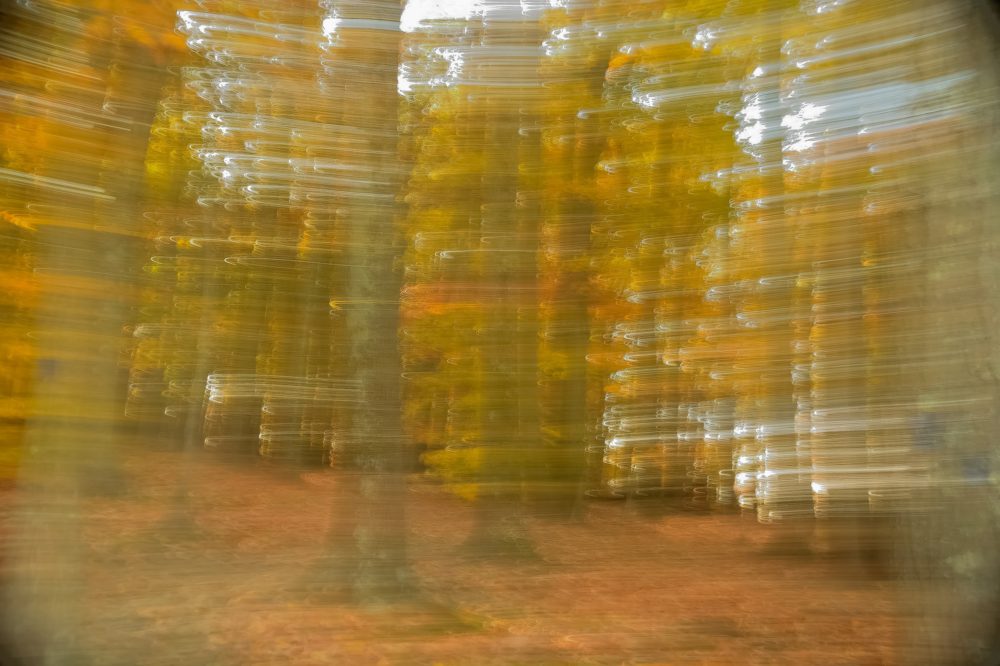
Capturing motion blur with moving camera methods can transform ordinary scenes into dynamic, visually compelling images. By intentionally moving your camera during exposure, you can create a sense of speed, energy, or abstraction that is difficult to achieve with static shots. Whether you’re a photographer looking to add creative flair to your work or a videographer aiming for cinematic effects, understanding these techniques is essential for expanding your creative toolkit.
This article explores the fundamentals of camera movement for motion blur, practical tips for getting started, and creative applications across different genres. For those interested in the science behind how we perceive blurred movement, you might also find value in reading about the motion blur and human vision connection.
Understanding Camera-Induced Motion Blur
Unlike subject-based blur, which occurs when your subject moves during exposure, camera-induced blur happens when you intentionally move the camera while the shutter is open. This approach can produce streaks, swirls, or painterly effects, depending on the direction and speed of your movement. The result is an image that conveys a strong sense of motion, often abstracting the scene and focusing attention on mood and energy rather than detail.
The key to mastering this effect lies in balancing shutter speed, camera movement, and subject characteristics. Too fast a shutter speed will freeze motion, while too slow may result in unrecognizable smears. Experimentation is crucial to finding the right combination for your creative vision.
Essential Equipment and Settings for Dynamic Blur
To achieve motion blur with moving camera techniques, you don’t need specialized gear, but certain tools and settings can make the process easier and more predictable:
- Camera with Manual Controls: Being able to set your shutter speed, aperture, and ISO is essential.
- Neutral Density (ND) Filter: Useful for reducing light, allowing for slower shutter speeds even in bright conditions.
- Tripod (Optional): While most techniques involve handheld movement, a tripod can help with controlled pans or tilts.
- Shutter Speed: Start with 1/15 to 1/2 second. Adjust based on the effect you want and the speed of your movement.
- Low ISO: Keeps noise down during longer exposures.
Popular Camera Movement Techniques for Creative Blur
There are several ways to move your camera to create intentional blur. Each method produces a distinct visual effect:
Panning for Subject Isolation
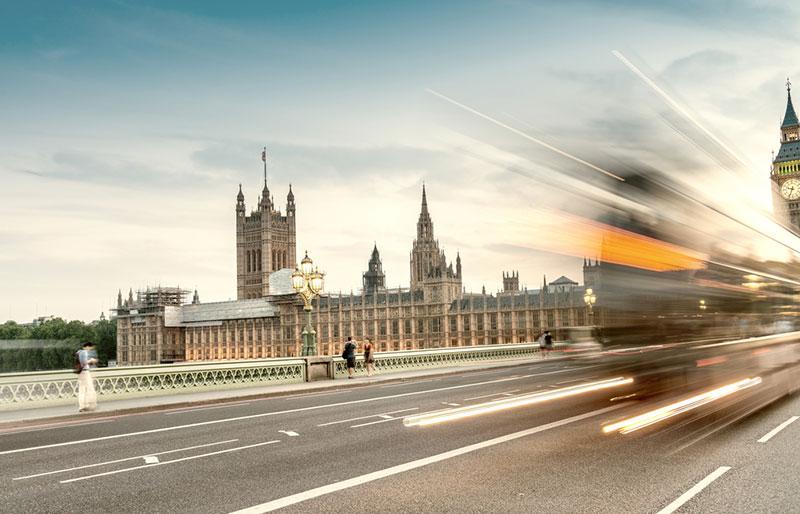
Panning involves following a moving subject with your camera during exposure. The goal is to keep the subject relatively sharp while the background blurs, emphasizing speed and direction. This is commonly used in sports and wildlife photography to highlight motion.
- Set a slow shutter speed (e.g., 1/30s).
- Track your subject smoothly as it moves across the frame.
- Press the shutter and continue moving the camera in sync with the subject.
Intentional Camera Movement (ICM) for Abstract Effects
Intentional Camera Movement, or ICM, is a creative approach where you deliberately move the camera in a chosen direction—up, down, sideways, or even in a swirl—while the shutter is open. This technique is popular for landscapes, cityscapes, and abstract photography.
- Try vertical movement for trees or waterfalls.
- Use horizontal sweeps for seascapes or fields.
- Experiment with circular or zigzag motions for more abstract results.
Zoom Burst for Radial Blur
The zoom burst effect is achieved by zooming your lens in or out during a long exposure. This creates streaks that radiate from the center of the image, drawing the viewer’s eye into the scene. A tripod can help keep the center sharp, but handheld zoom bursts can add even more energy.
Tips for Mastering Motion Blur with Camera Movement
Achieving consistent and visually pleasing results with these techniques takes practice. Here are some practical tips to help you refine your approach:
- Plan Your Movement: Visualize the effect you want before pressing the shutter. Smooth, deliberate motions yield the best results.
- Take Multiple Shots: Since results can be unpredictable, shoot in bursts and review your images to find the best ones.
- Use Live View: Composing with live view can help you anticipate how the movement will affect the final image.
- Experiment with Light: Try shooting at different times of day or under various lighting conditions. Low light makes it easier to use slower shutter speeds.
- Combine Techniques: Mix panning, ICM, and zoom burst for unique hybrid effects.
Creative Applications and Inspiration
The artistic possibilities of motion blur with moving camera methods are vast. Here are a few genres and scenarios where these techniques shine:
- Nature and Landscapes: Add a sense of wind or flowing water by moving the camera vertically or diagonally.
- Urban Scenes: Capture the energy of city lights or bustling crowds with horizontal sweeps or zoom bursts.
- Abstract Photography: Use ICM to create painterly images that emphasize color and form over detail.
- Sports and Action: Panning can isolate athletes or vehicles against a blurred background, highlighting speed.
For more creative ideas and technical advice, the guide to capturing motion blur in photography offers additional inspiration and step-by-step instructions.
Common Challenges and How to Overcome Them
While experimenting with moving your camera during exposure is rewarding, it can also be frustrating at first. Here are some common issues and solutions:
- Unwanted Camera Shake: If your images are too chaotic, try slowing down your movement or using a tripod for controlled pans.
- Overexposure: Use a smaller aperture, lower ISO, or add an ND filter to manage light during longer exposures.
- Loss of Subject Definition: For panning, practice tracking your subject smoothly. For ICM, start with subtle movements and gradually increase intensity.
- Predictability: Embrace the unpredictability of these techniques. Each shot is unique, and sometimes the best results are happy accidents.
Related Topics and Further Exploration
If you’re interested in how these creative blur effects translate to other fields, consider exploring topics like motion blur settings in video games or the use of blur in 3D rendering. These resources provide insight into how similar visual effects are achieved in digital environments, broadening your understanding of motion and perception.
Frequently Asked Questions
What shutter speed should I use for camera movement blur?
The ideal shutter speed depends on the effect you want and the speed of your movement. Generally, start with 1/15 to 1/2 second. Adjust as needed—faster speeds for subtle blur, slower for more dramatic effects.
Can I use motion blur techniques with a smartphone?
Yes, many smartphones offer manual or “pro” modes that let you control shutter speed. You can also use third-party apps to achieve longer exposures. Just remember to experiment with movement and light for the best results.
How do I avoid overexposure when using slow shutter speeds?
To prevent overexposure, use a low ISO, a small aperture (high f-number), or an ND filter to reduce the amount of light entering the lens. Shooting in low light conditions also helps.
What’s the difference between panning and intentional camera movement?
Panning involves moving the camera to follow a moving subject, keeping it sharp against a blurred background. Intentional camera movement (ICM) is about moving the camera in any direction to blur the entire scene, often for abstract effects.
Where can I learn more about the science and perception of motion blur?
For a deeper dive into how our eyes and brain interpret blurred movement, check out resources like the motion blur and human vision article.