
In today’s fast-paced world, the demand for efficient and reliable systems has never been more critical. One area where this is particularly evident is in HVAC systems. These systems are essential for maintaining comfortable and healthy indoor environments. However, when they fail, the consequences can be costly and disruptive. To address this challenge, the integration of neural networks for HVAC failure detection is gaining traction, offering a promising solution to enhance system reliability and efficiency.
Understanding Neural Networks in HVAC Systems
Neural networks are a type of artificial intelligence that mimics the human brain’s functionality. They consist of interconnected nodes, or ‘neurons,’ that process and analyze data. In the context of HVAC systems, these networks can be trained to recognize patterns and anomalies in system performance, enabling predictive maintenance and early detection of potential failures.
The Importance of Predictive Maintenance
Predictive maintenance is a proactive approach that involves monitoring equipment conditions to detect potential issues before they lead to failure. By implementing neural networks, businesses can benefit from:
- Reduced downtime: Early detection of issues allows for timely intervention, minimizing system disruptions.
- Cost savings: Preventing failures reduces repair costs and extends equipment lifespan.
- Improved efficiency: Systems operate optimally, consuming less energy and reducing operational costs.
How Neural Networks Enhance Failure Detection
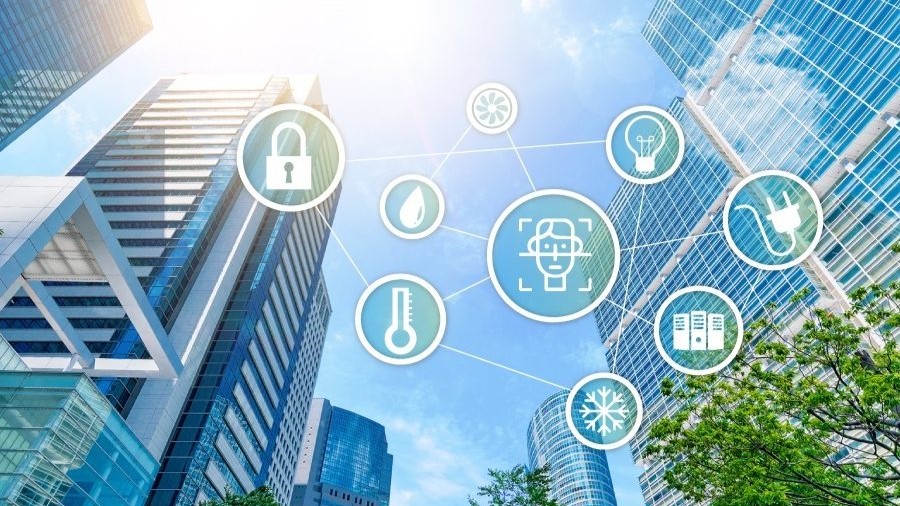
The integration of neural networks into HVAC systems enables advanced failure detection capabilities. These networks can analyze vast amounts of data from various sensors, identifying subtle changes in performance that may indicate impending issues. This level of precision allows for targeted interventions, ensuring that maintenance efforts are focused where they are most needed.
Real-World Applications of Neural Networks in HVAC
The application of neural networks in HVAC systems is not just theoretical; it is already being implemented across various industries. For instance, several companies have successfully integrated these technologies to enhance system performance and reliability.
Case Study: Predictive Maintenance in Commercial Buildings
In commercial buildings, HVAC systems are critical for maintaining tenant comfort and productivity. By leveraging neural networks, building managers can monitor system performance in real-time, identify potential issues, and schedule maintenance before problems escalate. This proactive approach not only reduces operational costs but also enhances tenant satisfaction.
The Future of HVAC Systems with Neural Networks
As technology continues to evolve, the role of neural networks in HVAC failure detection is expected to grow. Future advancements may include:
- Increased integration with IoT devices: Enhanced connectivity will allow for more comprehensive data analysis and improved system monitoring.
- More sophisticated algorithms: Advances in AI will lead to more accurate predictions and faster response times.
- Broader adoption: As the benefits of neural networks become increasingly evident, more industries will adopt these technologies to improve system reliability and efficiency.
Challenges and Considerations
While the potential benefits of neural networks in HVAC systems are significant, there are challenges to consider. These include:
- Data quality: Accurate predictions require high-quality data, making it essential to ensure that all sensors are functioning correctly.
- Implementation costs: The initial investment in AI technologies can be substantial, but the long-term benefits often outweigh these costs.
- Skill requirements: Integrating neural networks into existing systems may require specialized knowledge and expertise.
Conclusion: Embracing the Future of HVAC Systems
The integration of neural networks for HVAC failure detection represents a significant advancement in system maintenance and efficiency. By embracing these technologies, businesses can reduce downtime, lower operational costs, and improve overall system performance. As the industry continues to evolve, the adoption of AI-driven solutions will become increasingly important for maintaining competitive advantage.
FAQs
What are neural networks?
Neural networks are a type of artificial intelligence that mimics the human brain’s functionality, consisting of interconnected nodes that process and analyze data.
How do neural networks improve HVAC systems?
By detecting patterns and anomalies in system performance, neural networks enable predictive maintenance and early detection of potential failures, reducing downtime and costs.
Are there any challenges to implementing neural networks in HVAC systems?
Challenges include data quality, implementation costs, and the need for specialized knowledge and expertise.
This article contains affiliate links. We may earn a commission at no extra cost to you.