
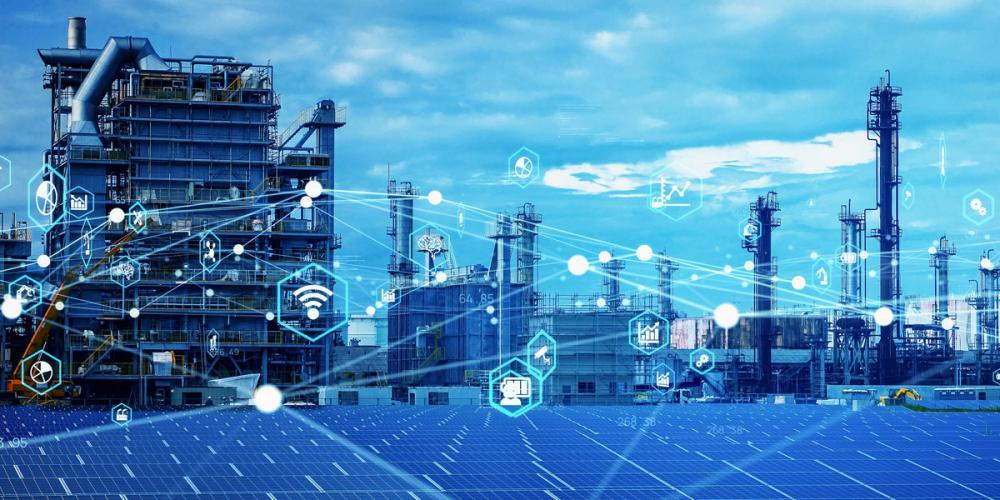
The rapid evolution of smart manufacturing has brought new digital tools to the forefront, fundamentally changing how factories operate. Among these innovations, digital twin technology stands out for its ability to create virtual representations of physical assets, processes, and systems. This approach enables manufacturers to monitor, analyze, and optimize operations in real time, resulting in improved efficiency, reduced downtime, and smarter decision-making.
As the manufacturing sector faces increasing pressure to boost productivity and maintain quality, many organizations are turning to digital twins to bridge the gap between the physical and digital worlds. In this article, we’ll explore the core concepts behind this technology, its practical applications, and the steps involved in implementing it within industrial environments. For a deeper dive into how smart factories are transforming inventory management and production, you can visit this comprehensive guide to smart factory solutions.
What Is a Digital Twin in Manufacturing?
A digital twin is a virtual model that mirrors a real-world object, process, or system. In the context of manufacturing, this means creating a detailed digital replica of a factory floor, a production line, or even a single machine. These digital models are continuously updated with data from sensors and connected devices, allowing them to reflect the current state of their physical counterparts.
The main goal of using digital twins in industrial settings is to gain a deeper understanding of how assets perform, identify inefficiencies, and predict potential issues before they impact production. By leveraging real-time data, manufacturers can simulate different scenarios, test process changes, and make data-driven decisions with confidence.
Key Components of Digital Twin Solutions
Building a robust digital twin for factory operations involves several essential elements:
- Data Acquisition: Sensors and IoT devices collect real-time information from machines, equipment, and production lines.
- Integration Platform: Middleware or cloud platforms aggregate and standardize data from multiple sources for analysis.
- Simulation Models: Advanced software tools create accurate digital representations of physical assets and processes.
- Visualization Dashboards: Interactive interfaces allow users to monitor performance, visualize trends, and explore “what-if” scenarios.
- Analytics and AI: Machine learning algorithms process data to detect anomalies, forecast outcomes, and recommend optimizations.
Benefits of Implementing Digital Twins in Factories
Adopting virtual replicas in industrial environments offers several tangible advantages:
- Enhanced Operational Visibility: Real-time monitoring provides a clear picture of equipment status, process flows, and resource utilization.
- Predictive Maintenance: By analyzing sensor data, digital twins help predict when machines need servicing, reducing unplanned downtime.
- Process Optimization: Manufacturers can simulate changes to workflows or layouts, identifying improvements before making costly adjustments in the real world.
- Faster Problem Resolution: Virtual models make it easier to diagnose issues, test solutions, and implement fixes with minimal disruption.
- Cost Savings: Improved efficiency and reduced maintenance expenses contribute to significant long-term savings.
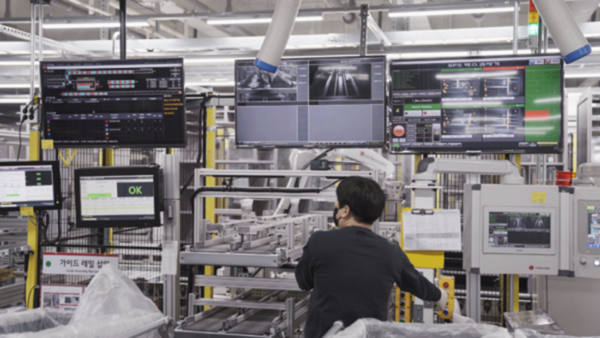
How Digital Twins Work in Industrial Environments
The process of deploying digital twins in manufacturing typically follows these steps:
- Asset Identification: Determine which machines, lines, or processes will benefit most from virtual modeling.
- Sensor Deployment: Install IoT sensors to gather relevant data such as temperature, vibration, speed, or output rates.
- Data Integration: Connect sensors to a central platform that collects and organizes information in real time.
- Model Creation: Develop a digital replica using simulation software, ensuring it accurately reflects the physical system.
- Continuous Synchronization: Keep the digital model updated with live data, enabling real-time monitoring and analysis.
- Optimization and Feedback: Use insights from the digital twin to adjust processes, schedule maintenance, and refine operations.
This approach allows manufacturers to move from reactive problem-solving to proactive optimization, using data-driven insights to stay ahead of challenges.
Real-World Applications of Virtual Factory Models
The use of digital twins in manufacturing is expanding rapidly, with applications that range from equipment monitoring to supply chain management. Some common use cases include:
- Production Line Simulation: Test new product designs or process changes in a virtual environment before implementing them on the shop floor.
- Energy Management: Monitor and optimize energy consumption across facilities to reduce costs and environmental impact.
- Quality Control: Analyze production data to identify sources of defects and improve product consistency.
- Remote Troubleshooting: Allow engineers to diagnose and resolve equipment issues without being physically present.
- Training and Safety: Use digital replicas to train staff on new equipment or procedures in a risk-free setting.

Challenges and Considerations for Digital Twin Adoption
While the advantages of virtual factory models are clear, there are also challenges to consider:
- Data Quality: Inaccurate or incomplete data can lead to unreliable digital models and poor decision-making.
- Integration Complexity: Connecting legacy equipment and disparate systems requires careful planning and investment.
- Cybersecurity: Increased connectivity can expose factories to new security risks, making robust protection essential.
- Change Management: Adopting new technologies often requires cultural shifts and ongoing training for staff.
- Scalability: Ensuring that digital twin solutions can grow with the business is crucial for long-term success.
Addressing these challenges involves selecting the right technology partners, investing in staff development, and establishing clear data governance policies.
Steps to Get Started with Digital Twin Implementation
For manufacturers considering the adoption of digital twins, a structured approach is recommended:
- Assess current operations and identify areas where virtual modeling could deliver the most value.
- Engage stakeholders from IT, operations, and management to ensure alignment and buy-in.
- Start with a pilot project focused on a specific asset or process to demonstrate value and refine the approach.
- Invest in scalable platforms and ensure compatibility with existing systems and future needs.
- Develop a roadmap for expanding digital twin capabilities across the organization.
By starting small and building on early successes, manufacturers can gradually unlock the full potential of this transformative technology.
Frequently Asked Questions
How does a digital twin differ from traditional simulation software?
While both digital twins and traditional simulation tools create virtual models, digital twins are continuously updated with real-time data from their physical counterparts. This ongoing synchronization allows for dynamic monitoring, predictive analytics, and immediate feedback, whereas traditional simulations typically rely on static data and are used for one-off analyses.
What types of data are essential for effective digital twin models in factories?
Effective digital twins rely on a wide range of data, including sensor readings (temperature, pressure, vibration), production metrics (output rates, downtime), maintenance records, and environmental conditions. The more comprehensive and accurate the data, the more valuable the insights generated by the digital model.
Can small and medium-sized manufacturers benefit from digital twin technology?
Absolutely. While large enterprises often lead the way in adopting advanced technologies, small and medium-sized manufacturers can also gain significant advantages. By starting with targeted pilot projects and leveraging scalable solutions, organizations of any size can improve efficiency, reduce costs, and enhance competitiveness through digital twins.