
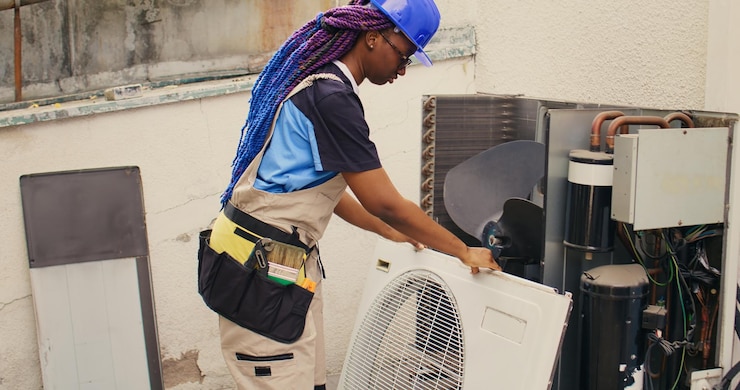
In today’s rapidly evolving world, the application of AI in various fields is becoming a norm rather than an exception. One such area that is witnessing significant transformation is the HVAC (Heating, Ventilation, and Air Conditioning) industry. The concept of using AI to improve HVAC airflow is gaining momentum as it promises enhanced efficiency, comfort, and sustainability. This article explores how AI is revolutionizing HVAC systems, making them smarter and more adaptable.
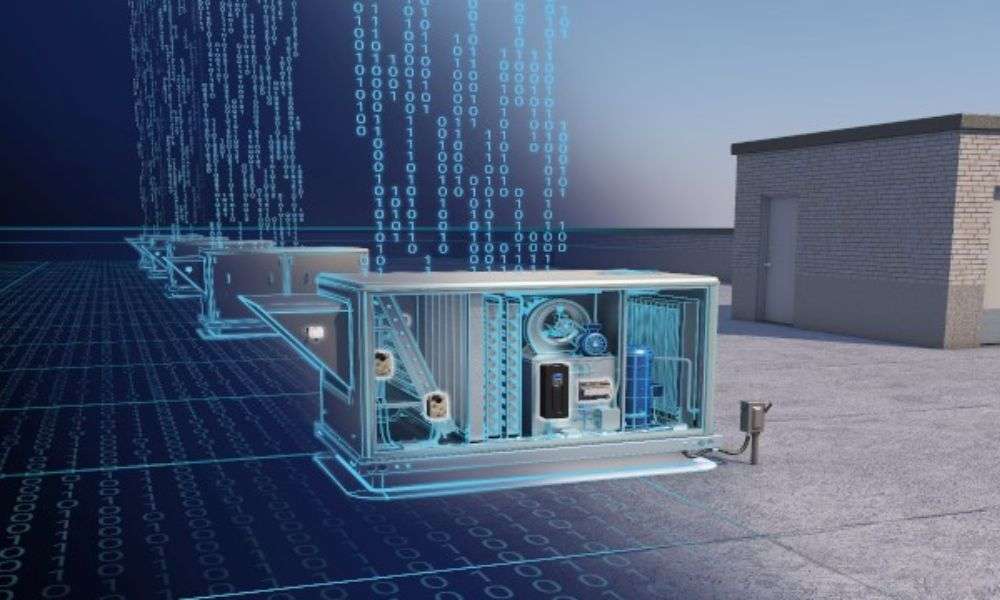
The Role of AI in Modern HVAC Systems
The integration of AI in HVAC systems is not just a technological advancement; it’s a necessity. As energy demands increase and environmental concerns grow, optimizing airflow becomes crucial. AI technologies help in monitoring, analyzing, and adjusting airflow patterns to achieve optimal comfort and efficiency.
AI Algorithms for Airflow Optimization
AI algorithms analyze data collected from various sensors installed in the HVAC system. These algorithms assess parameters like temperature, humidity, and occupancy levels to adjust the airflow dynamically. This not only enhances comfort but also reduces energy consumption.
Benefits of Using AI in HVAC Systems
The use of AI in HVAC systems brings several advantages. Let’s delve into some of the key benefits:
Enhanced Energy Efficiency
By optimizing airflow, AI helps reduce energy usage, leading to lower utility bills and a smaller carbon footprint. This is particularly important in large buildings where energy consumption is a major concern.
Improved Indoor Air Quality
AI systems can monitor air quality and adjust ventilation accordingly. This ensures that the indoor environment remains healthy and free from pollutants. For more insights on this, you might find the article on AI for Indoor Air Quality Monitoring useful.
Predictive Maintenance
AI can predict potential faults and breakdowns before they occur, allowing for timely maintenance. This reduces downtime and extends the lifespan of HVAC systems. For further reading, check out this Predictive Fault Management in HVAC article.
Challenges in Implementing AI in HVAC Systems
Despite the benefits, there are challenges in integrating AI with HVAC systems. These include the cost of implementation, the need for skilled personnel, and data privacy concerns. However, as technology advances, these hurdles are likely to diminish.
Cost Concerns
Initial setup costs for AI-driven HVAC systems can be high. However, the long-term savings in energy and maintenance can offset these initial investments.
Need for Skilled Personnel
Operating AI-enhanced HVAC systems requires specialized knowledge. Training programs and educational initiatives are crucial to prepare the workforce for this technological shift.
The Future of AI in HVAC Systems
The future of AI in HVAC systems looks promising. As AI technology continues to evolve, we can expect even more sophisticated systems that provide unparalleled comfort and efficiency. The potential for AI to revolutionize HVAC systems is immense, offering solutions that were once considered impossible.
Smart Building Integration
AI will play a crucial role in smart buildings, where HVAC systems are integrated with other smart technologies to create a cohesive and efficient environment.
AI-Driven Innovations
As AI technologies advance, we can anticipate innovations that further enhance the capabilities of HVAC systems. These may include more precise control mechanisms and even more efficient energy use.
Conclusion
The integration of AI into HVAC systems represents a significant leap forward in technology and efficiency. By improving airflow, AI not only enhances comfort but also contributes to energy conservation and sustainability. As we move forward, the role of AI in HVAC systems will undoubtedly expand, paving the way for smarter, more efficient, and environmentally friendly solutions.

FAQs
How does AI improve HVAC airflow?
AI improves HVAC airflow by using algorithms to analyze data from sensors and adjust airflow patterns for optimal efficiency and comfort.
What are the benefits of AI in HVAC systems?
AI in HVAC systems offers benefits like enhanced energy efficiency, improved indoor air quality, and predictive maintenance capabilities.
Are there challenges in implementing AI in HVAC systems?
Yes, challenges include high initial costs, the need for skilled personnel, and data privacy concerns.
For more insights on how AI is transforming HVAC systems, you can visit this article.
This article contains affiliate links. We may earn a commission at no extra cost to you.