
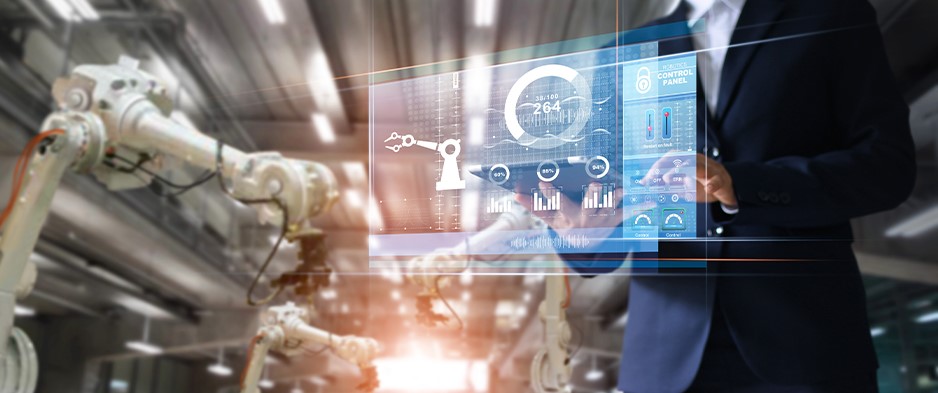
The manufacturing landscape is undergoing a dramatic transformation, driven by the integration of advanced digital technologies. As businesses seek to improve efficiency, flexibility, and competitiveness, many are turning to the concept of the smart factory. But what is a smart factory, and how does it differ from traditional manufacturing environments? This article explores the core principles, technologies, and benefits of this innovative approach, providing a comprehensive overview for manufacturers, engineers, and business leaders.
For organizations aiming to stay ahead in the era of Industry 4.0, understanding the evolution of intelligent manufacturing systems is essential. If you want to explore further, you can find an in-depth explanation on SAP’s detailed guide to smart factories.
Defining the Smart Factory: Key Concepts and Features
At its core, a smart factory is a highly digitized and connected production facility that relies on automation, real-time data, and interconnected systems to optimize manufacturing processes. Unlike conventional factories, these environments use advanced technologies such as the Industrial Internet of Things (IIoT), artificial intelligence (AI), machine learning, and robotics to create a seamless flow of information and materials.
The main characteristics of a smart manufacturing environment include:
- Automation: Machines and systems operate with minimal human intervention, improving speed and consistency.
- Connectivity: Devices, sensors, and software platforms communicate and share data across the entire production chain.
- Data-Driven Decision Making: Real-time analytics enable rapid responses to changing conditions and predictive maintenance.
- Flexibility: Production lines can be reconfigured quickly to accommodate new products or changes in demand.
- Self-Optimization: Systems continually monitor and adjust operations to maximize efficiency and quality.
Core Technologies Powering Intelligent Manufacturing
The shift toward smart production is made possible by a suite of cutting-edge technologies. Some of the most influential components include:
- Industrial Internet of Things (IIoT): Networks of sensors and devices collect and transmit data from machines, products, and processes, enabling real-time monitoring and control.
- Artificial Intelligence and Machine Learning: Algorithms analyze vast amounts of data to identify patterns, predict failures, and optimize workflows.
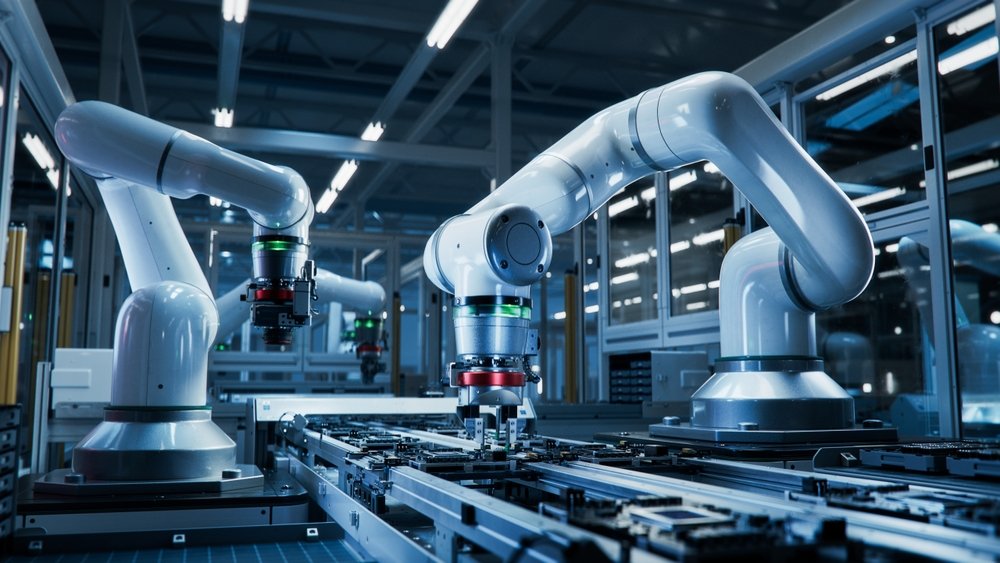
- Robotics and Automation: Advanced robots handle repetitive or hazardous tasks, increasing productivity and safety.
- Cloud Computing: Centralized data storage and processing facilitate collaboration, scalability, and remote access.
- Digital Twins: Virtual replicas of physical assets allow for simulation, testing, and optimization before changes are made on the factory floor.
- Cyber-Physical Systems: Integration of physical processes with digital control systems enables seamless interaction between the physical and virtual worlds.
How Smart Factories Transform Manufacturing Operations
The adoption of digital manufacturing environments brings significant changes to the way products are designed, produced, and delivered. Here are some of the most impactful ways these systems are reshaping the industry:
- Enhanced Productivity: Automated systems and real-time data analysis reduce downtime, streamline workflows, and increase output.
- Improved Quality Control: Continuous monitoring and predictive analytics help identify defects early, minimizing waste and ensuring consistent product quality.
- Greater Flexibility: The ability to quickly adapt production lines enables manufacturers to respond rapidly to market changes and customer demands.
- Cost Savings: Efficient resource utilization, reduced maintenance costs, and lower error rates contribute to significant financial benefits.
- Workforce Empowerment: Employees can focus on higher-value tasks, supported by real-time insights and collaborative technologies.
Challenges and Considerations in Implementing Smart Production
While the advantages are clear, transitioning to a connected manufacturing environment also presents challenges. Organizations must address several key considerations to ensure a successful transformation:
- Integration Complexity: Connecting legacy systems with new digital technologies can be technically demanding and require careful planning.
- Cybersecurity Risks: Increased connectivity exposes factories to potential cyber threats, making robust security measures essential.
- Investment Costs: Upfront expenses for new equipment, software, and training can be substantial, though often offset by long-term gains.
- Workforce Adaptation: Employees may need new skills to operate and maintain advanced systems, highlighting the importance of ongoing training.
- Data Management: Handling large volumes of data securely and efficiently is critical for maximizing the value of digital transformation.

Steps to Transition Toward a Digitally Connected Factory
Moving from traditional manufacturing to a smart, data-driven environment requires a strategic approach. Here are some recommended steps for organizations considering this shift:
- Assess Current Capabilities: Evaluate existing infrastructure, technologies, and workforce skills to identify gaps and opportunities.
- Define Clear Objectives: Set measurable goals for efficiency, quality, flexibility, or other priorities.
- Invest in Scalable Technologies: Choose solutions that can grow with your business and integrate with future advancements.
- Prioritize Data Security: Implement robust cybersecurity protocols to protect sensitive information and operations.
- Foster a Culture of Innovation: Encourage continuous learning and collaboration across all levels of the organization.
- Monitor and Optimize: Use real-time analytics to track progress, identify bottlenecks, and refine processes over time.
Frequently Asked Questions
What are the main differences between a smart factory and a traditional factory?
The primary distinction lies in the level of automation, connectivity, and data utilization. Traditional factories often rely on manual processes and isolated machines, while smart environments use interconnected systems, real-time data, and advanced analytics to optimize every aspect of production.
How does a smart factory improve operational efficiency?
By leveraging automation, predictive maintenance, and data-driven decision-making, these facilities reduce downtime, minimize errors, and streamline workflows. This leads to faster production cycles, lower costs, and higher product quality.
What industries benefit most from adopting smart manufacturing practices?
While automotive, electronics, and pharmaceuticals are early adopters, nearly any industry that relies on complex manufacturing processes can benefit. Sectors such as food and beverage, aerospace, and consumer goods are increasingly embracing digital transformation to stay competitive.