
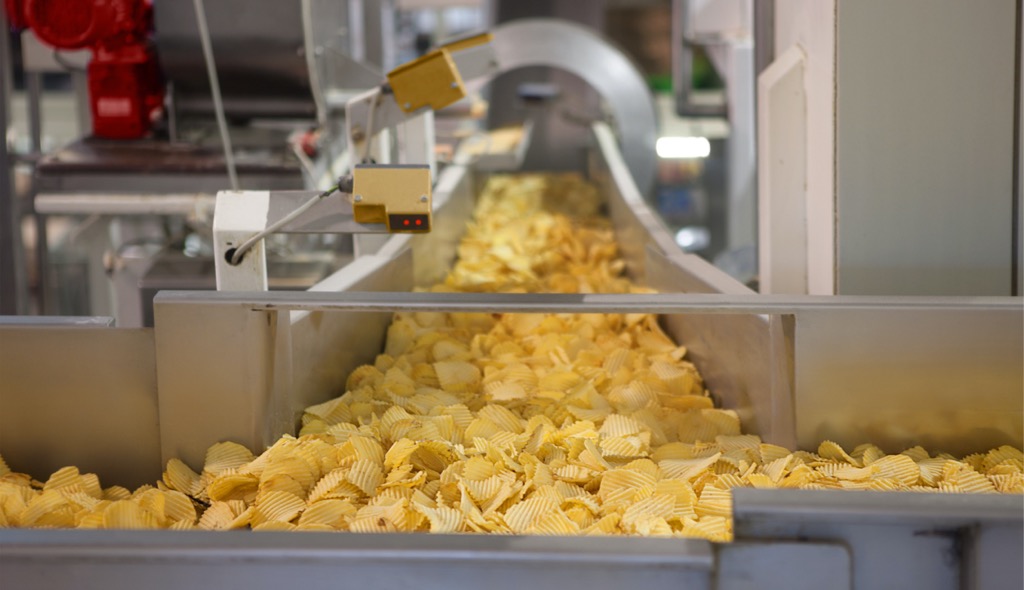
Predictive maintenance is rapidly transforming the food manufacturing sector by enabling companies to anticipate equipment failures and optimize maintenance schedules. Instead of relying on routine or reactive repairs, this approach uses data-driven insights to keep production lines running smoothly, reduce costs, and ensure food safety. For those new to the concept, understanding what is predictive maintenance in food manufacturing is essential for staying competitive and compliant in an industry where downtime and contamination risks can have significant consequences.
In this guide, we’ll break down the fundamentals of predictive maintenance as it applies to food processing plants, explore its benefits, and explain how it differs from traditional maintenance methods. We’ll also look at the technologies powering this shift and offer practical steps for implementation. If you’re interested in creative approaches to visual storytelling, you might also enjoy our motion blur composition examples for inspiration in capturing dynamic manufacturing environments.
Understanding Predictive Maintenance in Food Processing
At its core, predictive maintenance in the food manufacturing industry involves using real-time data and advanced analytics to monitor the condition of equipment. Sensors collect information on vibration, temperature, pressure, and other operational parameters. This data is then analyzed to detect patterns that indicate potential failures or wear. Maintenance teams can act before a breakdown occurs, minimizing unplanned downtime and avoiding costly disruptions.
Unlike preventive maintenance, which follows a set schedule regardless of equipment condition, predictive strategies are tailored to actual machine health. This approach is particularly valuable in food production, where equipment reliability directly impacts product quality, safety, and regulatory compliance.

Key Benefits of Predictive Maintenance for Food Manufacturers
Implementing a predictive maintenance program offers several advantages for food and beverage producers:
- Reduced Downtime: By identifying issues early, companies can schedule repairs during planned shutdowns, avoiding unexpected stoppages that disrupt production and supply chains.
- Cost Savings: Targeted maintenance reduces unnecessary part replacements and labor costs. It also extends the lifespan of critical assets.
- Improved Food Safety: Equipment failures can lead to contamination or compromised product quality. Predictive maintenance helps maintain strict hygiene standards and regulatory compliance.
- Optimized Resource Allocation: Maintenance teams can focus on machines that truly need attention, increasing efficiency and productivity.
- Data-Driven Decision Making: Access to real-time equipment data supports better planning, budgeting, and process improvements.
For a deeper dive into how condition monitoring supports predictive strategies in this sector, see this comprehensive overview of condition monitoring and predictive maintenance in food and beverage production.
How Predictive Maintenance Differs from Preventive and Reactive Approaches
Traditional maintenance in food manufacturing typically falls into two categories: preventive and reactive. Preventive maintenance involves servicing equipment at regular intervals, regardless of its actual condition. While this can prevent some failures, it often leads to unnecessary work and missed issues that develop between scheduled checks.
Reactive maintenance, on the other hand, means fixing machines only after they break down. This approach can result in costly downtime, lost batches, and even food safety incidents.
Predictive maintenance bridges the gap by using sensor data and analytics to predict when a failure is likely to occur. Maintenance is performed only when needed, based on actual wear and performance indicators. This minimizes both unnecessary interventions and unexpected breakdowns, making it a more efficient and reliable strategy for food processors.
Technologies Powering Predictive Maintenance in Food Manufacturing
Modern predictive maintenance relies on a combination of hardware and software solutions. Key technologies include:
- IoT Sensors: Devices that continuously monitor equipment parameters such as vibration, temperature, humidity, and pressure.
- Data Analytics Platforms: Software that collects and analyzes sensor data to detect anomalies and predict failures.
- Machine Learning Algorithms: Advanced models that learn from historical data to improve the accuracy of failure predictions over time.
- Cloud-Based Dashboards: Centralized platforms that provide maintenance teams with real-time insights and alerts, accessible from any location.
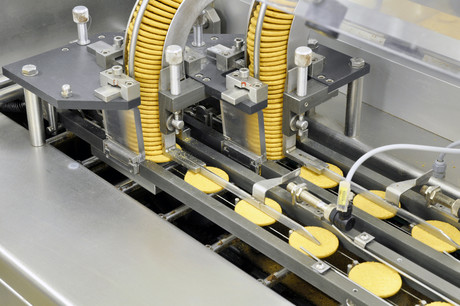
These technologies are often integrated with existing enterprise resource planning (ERP) and manufacturing execution systems (MES), enabling seamless data flow across the organization.
Steps to Implement Predictive Maintenance in Food Production Facilities
Transitioning to a predictive maintenance model requires careful planning and investment. Here’s a step-by-step outline to help food manufacturers get started:
- Assess Current Maintenance Practices: Review existing maintenance logs, failure records, and equipment inventories to identify pain points and opportunities for improvement.
- Select Critical Assets: Prioritize machines that have the greatest impact on production, quality, and compliance.
- Install Sensors: Equip selected assets with IoT sensors to monitor key performance indicators in real time.
- Integrate Data Systems: Connect sensors to analytics platforms and ensure compatibility with current IT infrastructure.
- Train Staff: Educate maintenance teams and operators on how to interpret data, respond to alerts, and use new tools effectively.
- Start Small and Scale: Begin with a pilot project, measure results, and gradually expand to other parts of the facility.
By following these steps, food manufacturers can build a robust predictive maintenance program that delivers measurable results.
Challenges and Considerations for Food Industry Adoption
While the benefits are clear, implementing predictive maintenance in food manufacturing does come with challenges. These include:
- Initial Investment: Upfront costs for sensors, software, and integration can be significant, though long-term savings often outweigh these expenses.
- Data Security: Protecting sensitive production and maintenance data is crucial, especially when using cloud-based solutions.
- Change Management: Shifting from traditional to predictive practices requires buy-in from all levels of the organization and ongoing training.
- Regulatory Compliance: Maintenance records and data management must align with food safety standards and audit requirements.
Addressing these challenges early in the process helps ensure a smooth transition and maximizes the return on investment.
Real-World Impact: Success Stories from Food Manufacturers
Many food and beverage companies have already seen significant improvements from adopting predictive maintenance. For example, some have reported a reduction in unplanned downtime by up to 30%, along with lower maintenance costs and improved product consistency. These outcomes not only boost profitability but also enhance brand reputation by ensuring reliable delivery and high-quality products.
As more organizations embrace digital transformation, predictive maintenance is becoming a standard best practice in the industry.
Frequently Asked Questions
How does predictive maintenance improve food safety?
By continuously monitoring equipment health, predictive maintenance helps prevent breakdowns that could lead to contamination or compromised product quality. This proactive approach supports compliance with food safety regulations and reduces the risk of recalls.
What types of equipment benefit most from predictive maintenance in food manufacturing?
Critical assets such as mixers, conveyors, packaging machines, refrigeration units, and pumps are ideal candidates. Any equipment whose failure could halt production or pose a food safety risk should be prioritized.
Is predictive maintenance suitable for small and medium-sized food manufacturers?
Yes, while larger companies may have more resources, scalable sensor and analytics solutions are now available for smaller operations. Starting with a pilot project on key assets allows businesses of any size to realize benefits and expand over time.