
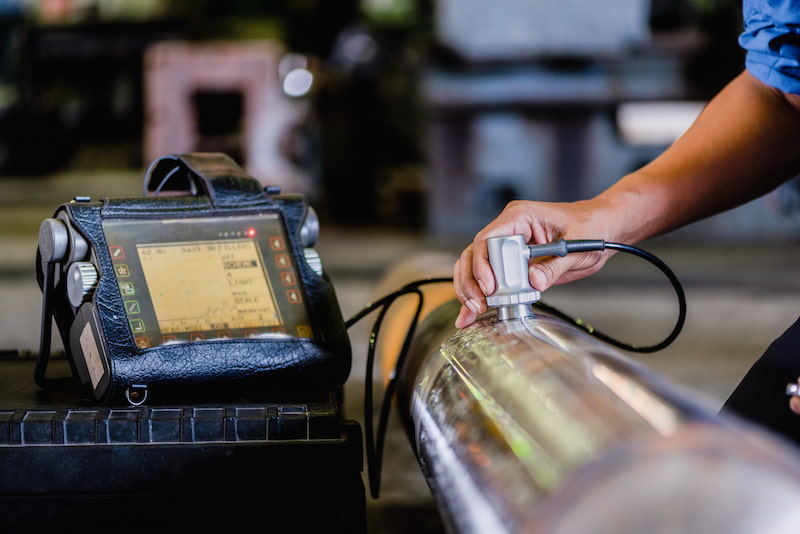
In the realm of quality assurance, understanding why synchronization matters in inspections is crucial for ensuring the highest standards. Synchronization is not just about timing; it is about precision, efficiency, and reliability, making it a key component in the inspection process. Whether it is a large manufacturing plant or a small production facility, synchronization ensures that inspections are performed in a timely and effective manner, preventing errors and enhancing overall productivity.
The importance of synchronization becomes evident when considering the complexities involved in inspections. These processes require meticulous coordination among various elements, including personnel, equipment, and data. By delving deeper into the concept of synchronization, we can uncover its profound impact on the quality and efficiency of inspections, ultimately leading to improved product quality and customer satisfaction.
The Role of Synchronization in Inspections
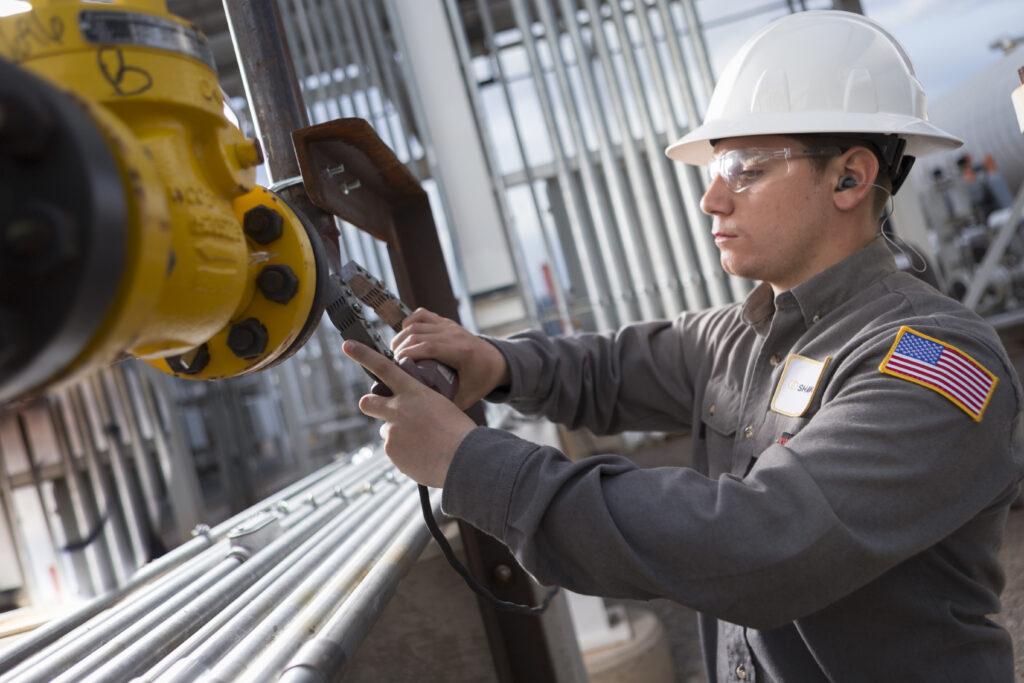
Synchronization in inspections ensures that all components of the inspection process work in harmony. This harmony is essential for identifying defects, ensuring compliance, and maintaining the integrity of the inspection process. As outlined in frequency analysis, the timing of inspections can significantly influence the detection of potential issues, making synchronization even more critical.
Enhancing Inspection Accuracy
One of the primary benefits of synchronization is the enhancement of inspection accuracy. By ensuring that all inspection tools and personnel are aligned, synchronization minimizes the risk of errors. This alignment is particularly important in industries where precision is paramount, such as aerospace and automotive manufacturing. As discussed in synchronization technologies, advancements in this area have further improved the accuracy and reliability of inspections.
Improving Efficiency and Productivity
Synchronization also plays a vital role in improving the efficiency and productivity of inspections. By coordinating the timing and sequence of inspection activities, synchronization reduces downtime and ensures a smooth flow of operations. This efficiency is particularly beneficial in industries where time is a critical factor, such as manufacturing and logistics. For more insights, visit inspection tools.
Challenges in Achieving Synchronization
Despite its benefits, achieving synchronization in inspections is not without challenges. The complexity of modern inspection processes, coupled with the need for precise timing, can make synchronization difficult to achieve. Factors such as equipment malfunctions, human errors, and environmental conditions can all disrupt synchronization, leading to potential inspection failures.
Addressing Equipment Malfunctions
Equipment malfunctions are a significant challenge in achieving synchronization. To address this issue, regular maintenance and calibration of inspection equipment are essential. Additionally, as highlighted in ultrasonic inspection, the use of advanced technologies can help mitigate the impact of equipment malfunctions on synchronization.
Minimizing Human Errors
Human errors are another challenge in achieving synchronization. Training and continuous development of inspection personnel can help minimize these errors. By providing inspectors with the necessary skills and knowledge, organizations can enhance synchronization and improve the overall effectiveness of inspections.
The Future of Synchronization in Inspections
The future of synchronization in inspections looks promising, with technological advancements paving the way for more efficient and accurate inspection processes. Emerging technologies such as artificial intelligence and machine learning are set to revolutionize synchronization, offering new opportunities for improving the precision and reliability of inspections.
Embracing Technological Innovations
Technological innovations are at the forefront of the future of synchronization in inspections. By embracing these innovations, organizations can enhance their inspection processes and achieve higher levels of synchronization. For example, the use of AI-powered tools can help automate synchronization, reducing the risk of errors and improving overall efficiency.
Integration of AI and Machine Learning
AI and machine learning are poised to play a significant role in the future of synchronization in inspections. These technologies offer the potential to automate many aspects of the inspection process, enhancing synchronization and improving the accuracy and reliability of inspections. For more information, visit frequency analysis.
Conclusion
In conclusion, understanding why synchronization matters in inspections is crucial for ensuring the highest standards of quality and efficiency. By enhancing accuracy, improving efficiency, and embracing technological innovations, synchronization plays a vital role in the success of inspections. As the industry continues to evolve, the importance of synchronization will only grow, offering new opportunities for improving the quality and reliability of inspections.
FAQs
What is synchronization in inspections?
Synchronization in inspections refers to the coordination of various elements, including personnel, equipment, and data, to ensure a smooth and effective inspection process.
How does synchronization improve inspection accuracy?
Synchronization improves inspection accuracy by ensuring that all inspection tools and personnel are aligned, minimizing the risk of errors and enhancing the overall effectiveness of inspections.
What are the challenges in achieving synchronization?
Challenges in achieving synchronization include equipment malfunctions, human errors, and environmental conditions that can disrupt the inspection process and lead to potential failures.
This article contains affiliate links. We may earn a commission at no extra cost to you.