

Modern manufacturing relies on advanced technologies to maintain efficiency, quality, and competitiveness. Among these innovations, smart sensors play a pivotal role in transforming how factories operate. By providing real-time data and actionable insights, these intelligent devices help organizations track processes, detect anomalies, and optimize workflows. Understanding how smart sensors monitor production is essential for any business aiming to embrace Industry 4.0 and achieve operational excellence.
As factories become more connected, integrating smart sensors with automation and analytics platforms unlocks new levels of visibility and control. This article explores the mechanisms behind sensor-driven monitoring, the benefits it brings, and practical steps for implementation. For those interested in foundational concepts, our introduction to factory edge computing offers valuable context on the digital transformation of manufacturing environments.
Understanding the Role of Intelligent Sensors in Manufacturing
In the context of industrial production, intelligent sensors are devices equipped with embedded processing capabilities. Unlike traditional sensors that simply collect data, these advanced units can analyze, filter, and transmit information directly to control systems or cloud platforms. This enables a more proactive approach to monitoring, as data is processed closer to the source and can trigger immediate responses.
These devices are commonly used to track variables such as temperature, pressure, vibration, humidity, and machine status. By continuously measuring these parameters, smart sensors provide a comprehensive overview of the production environment. This data is crucial for maintaining product quality, ensuring equipment reliability, and supporting predictive maintenance strategies.
Key Mechanisms: How Smart Sensors Monitor Production Lines
The process by which smart sensors monitor production involves several interconnected steps:
- Data Acquisition: Sensors capture real-time information from machines, materials, and environmental conditions throughout the facility.
- Edge Processing: Many sensors now feature onboard processors that analyze data locally, reducing latency and network load.
- Communication: Processed data is transmitted via wired or wireless networks to central monitoring systems, programmable logic controllers (PLCs), or cloud-based analytics platforms.
- Integration: The information is integrated with manufacturing execution systems (MES), enterprise resource planning (ERP) software, and other digital tools for holistic oversight.
- Actionable Insights: When anomalies or deviations are detected, alerts are generated, and automated responses can be triggered to prevent downtime or defects.
This closed-loop approach ensures that every stage of production is monitored and optimized, from raw material handling to final assembly and packaging.
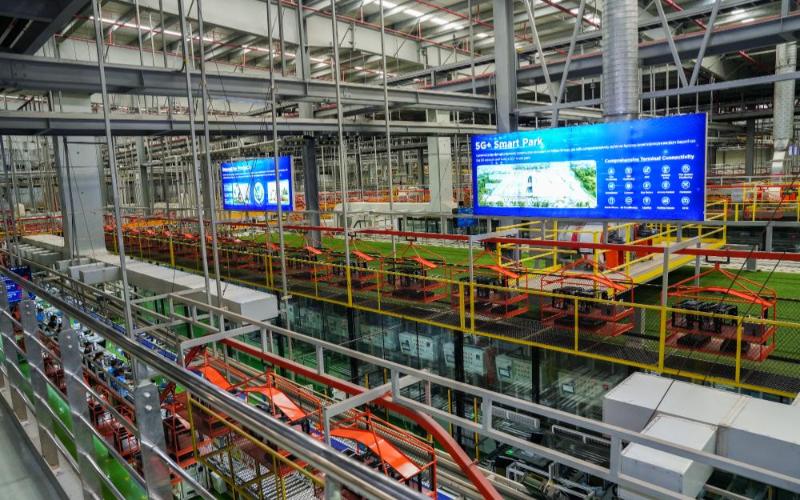
Benefits of Real-Time Monitoring with Smart Sensors
Deploying intelligent sensors across production lines offers a range of tangible advantages:
- Increased Uptime: Early detection of equipment wear or failure allows for timely maintenance, reducing unplanned downtime.
- Enhanced Quality Control: Continuous monitoring helps ensure that products meet strict specifications, minimizing defects and waste.
- Resource Optimization: Data-driven insights enable better allocation of materials, energy, and labor, improving overall efficiency.
- Safety Improvements: Sensors can detect hazardous conditions, such as overheating or leaks, and trigger automated shutdowns to protect workers and assets.
- Cost Savings: By preventing breakdowns and optimizing processes, manufacturers can lower operational expenses and increase profitability.
These benefits are amplified when smart sensors are integrated with advanced analytics and machine learning tools. For a deeper dive into how artificial intelligence is reshaping manufacturing, see our article on how machine learning optimizes production.
Types of Smart Sensors Used in Industrial Monitoring
The choice of sensor depends on the specific requirements of each production environment. Common types include:
- Temperature Sensors: Monitor heat levels in machinery, ovens, and storage areas.
- Vibration Sensors: Detect abnormal movements or imbalances in rotating equipment.
- Proximity Sensors: Track the position of components on assembly lines.
- Pressure Sensors: Measure fluid or gas pressure in pipelines and tanks.
- Optical Sensors: Inspect product surfaces for defects or verify correct assembly.
- Humidity Sensors: Ensure environmental conditions remain within safe limits.
These devices are often networked together, forming the backbone of the Industrial Internet of Things (IIoT). For more on how these technologies fit into broader automation strategies, our guide to understanding factory automation systems provides further insights.
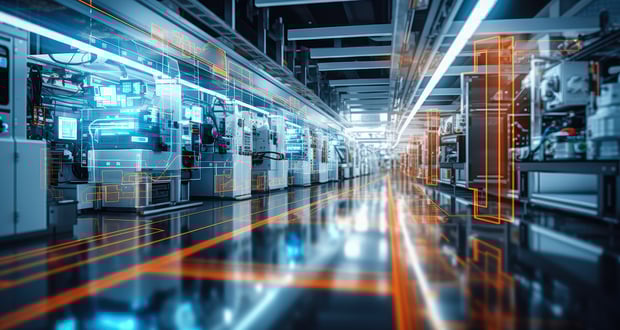
Integrating Sensor Data with Factory Systems
To maximize the value of sensor-generated data, integration with existing factory systems is crucial. This often involves connecting sensors to programmable logic controllers, manufacturing execution systems, and cloud-based platforms. Edge computing solutions can process data locally, enabling faster decision-making and reducing the burden on central servers. For a comprehensive overview of this approach, refer to our introduction to factory edge computing.
Secure data transmission and robust cybersecurity measures are also essential to protect sensitive production information. Manufacturers should follow factory cybersecurity best practices to safeguard their operations from digital threats.
Smart Factories and the Future of Industrial Monitoring
The adoption of intelligent monitoring technologies is a defining feature of the smart factory. By leveraging interconnected sensors, automation, and analytics, manufacturers can achieve unprecedented levels of agility and responsiveness. According to this comprehensive overview of smart factory concepts, the integration of real-time data and adaptive systems is reshaping how products are designed, produced, and delivered.
As these technologies continue to evolve, the ability to monitor and optimize every aspect of production will become standard practice. Organizations that invest in smart sensors and digital transformation today will be well-positioned to thrive in the competitive landscape of tomorrow.
Frequently Asked Questions
What Are the Main Advantages of Using Smart Sensors in Manufacturing?
Smart sensors provide real-time visibility into production processes, enabling early detection of issues, improved quality control, and reduced downtime. They also support predictive maintenance and help optimize resource usage, leading to cost savings and increased efficiency.
How Do Smart Sensors Differ from Traditional Sensors?
Unlike traditional sensors that only collect raw data, smart sensors have built-in processing power. They can analyze information locally, filter out noise, and communicate actionable insights directly to control systems or cloud platforms, enabling faster and more intelligent responses.
Can Smart Sensors Be Integrated with Existing Factory Systems?
Yes, most modern smart sensors are designed to be compatible with a wide range of industrial protocols and platforms. They can be connected to PLCs, MES, ERP systems, and cloud-based analytics tools, allowing seamless integration into existing manufacturing infrastructures.