
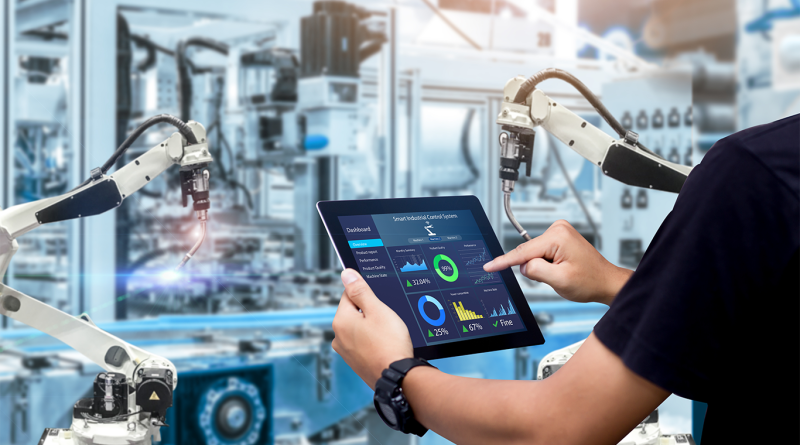
As factories and workplaces become more advanced, the integration of humans and robots working side by side is transforming how tasks are performed. This approach, often called human-robot collaboration, is reshaping manufacturing, logistics, and many other industries by combining the unique strengths of people and machines. Understanding this concept is essential for businesses and professionals looking to stay competitive and efficient in a rapidly evolving technological landscape.
In this guide, we’ll explore the fundamentals of collaborative work between humans and robots, its benefits, challenges, and practical examples. We’ll also highlight how this trend is impacting smart factories and what you need to know to implement it effectively. For those interested in related technologies, you might also find value in learning what is real-time factory monitoring and how it supports modern production environments.
Defining Collaborative Work Between Humans and Robots
At its core, human-robot collaboration refers to scenarios where people and robotic systems interact directly within a shared workspace, often on the same tasks or processes. Unlike traditional automation, where robots operate in isolation, collaborative setups allow for real-time cooperation. This can include robots assisting with lifting heavy objects, performing repetitive motions, or even making real-time adjustments based on human input.
The goal is to leverage the precision, speed, and endurance of robots with the creativity, problem-solving, and adaptability of humans. This synergy leads to higher productivity, improved safety, and greater flexibility on the factory floor.
How Human-Robot Teams Work in Modern Factories
In today’s smart manufacturing environments, collaborative robots—often called “cobots”—are designed to operate safely alongside people. These machines are equipped with advanced sensors, machine learning algorithms, and safety features that allow them to detect human presence and respond appropriately. For a deeper dive into this topic, see how collaborative robots work in factories.
Typical applications include:
- Assembly lines where robots handle repetitive or ergonomically challenging tasks while humans manage quality control or complex assembly steps.
- Material handling, where robots transport goods and humans oversee inventory or perform customizations.
- Inspection and testing, with robots conducting precise measurements and humans making judgment-based decisions.

Key Benefits of Human-Robot Collaboration
Embracing this approach offers several advantages for businesses and workers alike:
- Increased Productivity: By dividing tasks according to strengths, teams can accomplish more in less time.
- Enhanced Safety: Robots can handle hazardous materials or dangerous motions, reducing the risk of injury for human workers.
- Greater Flexibility: Collaborative systems can be quickly reprogrammed or adjusted to accommodate new products or processes.
- Improved Quality: Robots deliver consistent results, while humans oversee and correct any issues that require judgment or dexterity.
- Employee Satisfaction: Workers are freed from monotonous or physically demanding tasks, allowing them to focus on more engaging work.
Challenges and Considerations in Implementing Collaborative Robotics
While the benefits are significant, integrating robots and humans in shared spaces also presents unique challenges:
- Safety Protocols: Ensuring that robots can detect and avoid humans is critical. This requires investment in advanced sensors and control systems.
- Training: Employees need to be comfortable working with robots, which may require new skills and ongoing education.
- Process Redesign: Workflows must be re-evaluated to maximize the strengths of both humans and machines.
- Cost: The initial investment in collaborative robotics can be high, though long-term gains often outweigh upfront expenses.
- Change Management: Shifting to a collaborative environment may face resistance from staff concerned about job security or changes in routine.
Examples of Human-Robot Partnerships in Industry
Real-world applications of this collaborative approach can be seen across multiple sectors:
- Automotive Manufacturing: Cobots assist with welding, painting, and assembly, allowing humans to focus on quality checks and complex installations.
- Electronics: Robots handle delicate components, while technicians manage programming and troubleshooting.
- Logistics: Automated guided vehicles (AGVs) transport materials, reducing manual labor and streamlining warehouse operations.
- Healthcare: Surgical robots support doctors in precise procedures, while nurses and staff provide patient care and oversight.
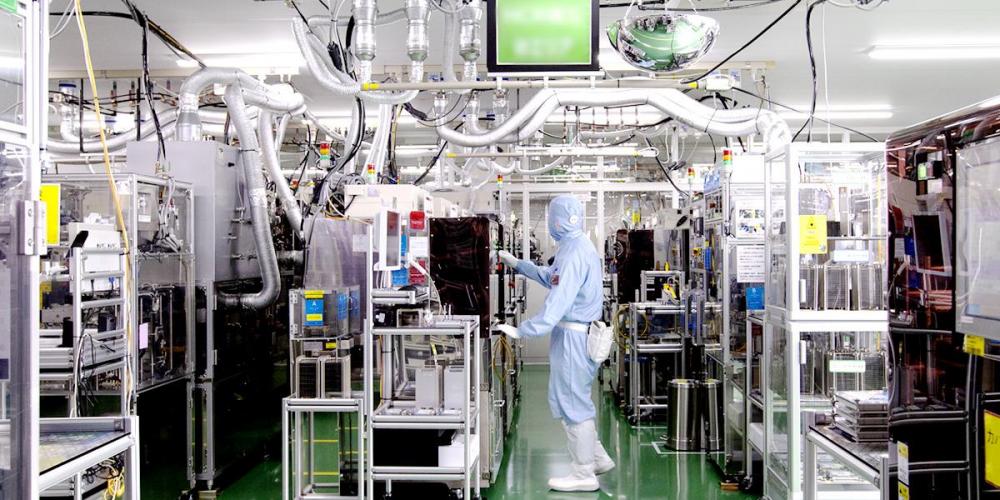
Integrating Smart Technologies for Enhanced Collaboration
The success of human-robot teams often depends on the broader ecosystem of smart technologies within the facility. Real-time monitoring, advanced sensors, and connected systems all play a role in ensuring smooth and safe cooperation. For instance, how smart sensors monitor production can directly impact how robots and humans interact by providing up-to-the-minute data on equipment status and workflow bottlenecks.
For a comprehensive overview of how digital transformation is shaping manufacturing, consider reading about the principles and benefits of smart factories, where human-robot collaboration is a key component.
Best Practices for Adopting Collaborative Robotics
To maximize the value of integrating robots and humans, organizations should follow these best practices:
- Conduct a thorough risk assessment and implement appropriate safety measures.
- Engage employees early in the process to build trust and gather feedback.
- Invest in training programs that focus on both technical skills and soft skills like teamwork and communication.
- Start with pilot projects to identify potential issues before scaling up.
- Continuously monitor performance and adapt processes as needed.
Frequently Asked Questions
How is human-robot collaboration different from traditional automation?
Traditional automation typically involves robots working in isolated environments, separated from people by barriers or safety zones. In contrast, collaborative approaches allow humans and robots to share the same workspace, interact in real time, and even work together on the same tasks.
Are collaborative robots safe to work with?
Yes, modern collaborative robots are designed with multiple safety features such as force sensors, speed limits, and emergency stop functions. These features help ensure that robots can detect human presence and avoid dangerous interactions.
What industries benefit most from human-robot partnerships?
Industries that involve repetitive, physically demanding, or precision-based tasks—such as automotive, electronics, logistics, and healthcare—see the greatest benefits. However, any sector looking to improve efficiency and flexibility can leverage this approach.
What are the first steps to implementing collaborative robotics?
Start by identifying tasks that can be improved with automation, assess safety requirements, and engage your workforce in the planning process. Pilot projects and ongoing training are also critical for a smooth transition.
Conclusion
The integration of humans and robots in shared workspaces is no longer a vision of the future—it’s a practical reality that is transforming industries worldwide. By understanding the principles, benefits, and challenges of this approach, organizations can unlock new levels of productivity, safety, and innovation. As technology continues to advance, the collaboration between people and machines will only become more seamless and impactful.
For more insights on optimizing your factory’s performance and energy use, explore factory energy efficiency explained and discover practical tips for modern manufacturing environments.