
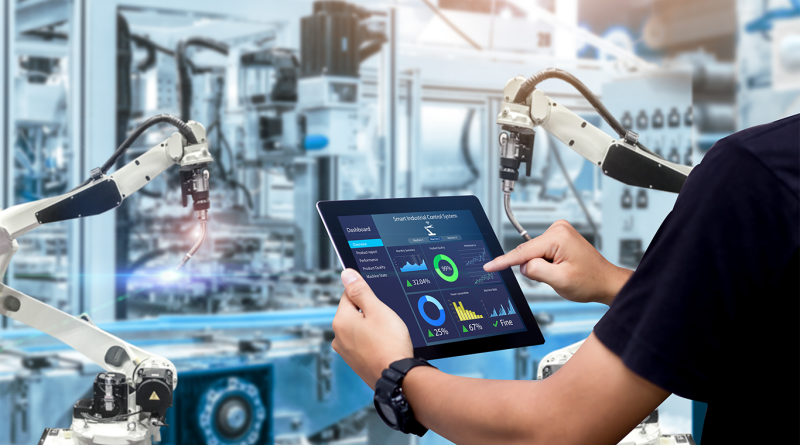
In modern manufacturing and industrial settings, unplanned equipment breakdowns can lead to costly downtime, safety issues, and production delays. As factories and facilities become more connected, IoT sensors are transforming maintenance strategies by providing real-time data and predictive insights. Understanding how IoT sensors prevent equipment failure is essential for organizations aiming to boost reliability, reduce costs, and stay competitive.
This guide explores the mechanisms behind sensor-driven monitoring, the benefits of proactive maintenance, and how smart technologies are reshaping asset management. For a deeper look at related innovations, see what is real-time factory monitoring and how it supports operational excellence.
Understanding IoT Sensors and Their Role in Maintenance
IoT sensors are compact devices that collect and transmit data about equipment conditions—such as temperature, vibration, pressure, and humidity—directly from the machinery. By continuously monitoring these parameters, they enable early detection of anomalies that could signal impending failures.
These smart devices are often integrated into broader industrial networks, sending data to centralized platforms for analysis. This connectivity allows maintenance teams to move from reactive repairs to a proactive, data-driven approach.
Key Ways IoT Sensors Reduce Equipment Downtime
The shift from traditional maintenance to sensor-enabled strategies brings several advantages. Here are the main ways these technologies help avoid unexpected breakdowns:
- Real-time condition monitoring: Sensors provide instant feedback on the health of critical assets, allowing for immediate intervention when abnormal readings are detected.
- Predictive maintenance: By analyzing trends and patterns in sensor data, systems can predict when a part is likely to fail, enabling timely repairs before issues escalate.
- Remote diagnostics: Maintenance teams can access equipment status from anywhere, reducing the need for manual inspections and enabling faster response times.
- Automated alerts: When sensor readings cross predefined thresholds, automated notifications are sent to relevant personnel, ensuring no warning signs are missed.

How Predictive Analytics Enhances Equipment Reliability
Predictive analytics is a cornerstone of modern maintenance. By leveraging historical and real-time data from IoT sensors, advanced algorithms can forecast potential failures with high accuracy. This approach minimizes unnecessary maintenance and focuses resources where they are needed most.
For example, vibration sensors on motors can detect subtle changes that precede mechanical wear. When these patterns are recognized early, maintenance can be scheduled during planned downtime, avoiding costly emergency repairs.
Facilities that embrace predictive analytics often see significant reductions in unplanned outages and maintenance costs. This data-driven strategy is a key differentiator for organizations seeking to maximize uptime and asset lifespan.
Types of IoT Sensors Used in Industrial Environments
Different types of sensors are deployed depending on the equipment and the specific risks involved. Common examples include:
- Vibration sensors: Detect imbalances, misalignments, or bearing failures in rotating machinery.
- Temperature sensors: Monitor overheating in motors, bearings, and electrical panels.
- Pressure sensors: Track fluid or gas pressures in pumps, compressors, and pipelines.
- Humidity sensors: Identify moisture ingress that could lead to corrosion or electrical faults.
- Current sensors: Measure electrical consumption and spot anomalies that may indicate motor or circuit problems.
The combination of multiple sensor types provides a comprehensive view of equipment health, allowing for more accurate diagnostics and targeted interventions.
Benefits of Preventing Equipment Failures with IoT
Adopting sensor-based monitoring and predictive maintenance delivers measurable benefits across industries:
- Reduced downtime: Early detection and timely intervention minimize production interruptions.
- Lower maintenance costs: Fewer emergency repairs and optimized scheduling reduce labor and parts expenses.
- Extended asset life: Addressing issues before they escalate helps equipment last longer.
- Improved safety: Monitoring critical parameters helps prevent hazardous failures and protects workers.
- Data-driven decision making: Access to real-time and historical data supports better planning and resource allocation.
These advantages make IoT-powered maintenance a strategic investment for manufacturers, utilities, and other asset-intensive sectors.
Integrating IoT Sensors Into Existing Operations
Deploying smart sensors does not require a complete overhaul of existing systems. Many solutions are designed for easy retrofitting onto legacy equipment, making it feasible for organizations of all sizes to benefit from advanced monitoring.
Integration typically involves:
- Identifying critical assets and failure modes.
- Selecting appropriate sensor types and locations.
- Connecting sensors to a secure network or cloud platform.
- Configuring analytics and alerting systems.
- Training maintenance teams to interpret data and respond effectively.
For a closer look at how smart technologies are transforming production, explore how smart sensors monitor production and the impact on efficiency.
Smart Factories: The Future of Proactive Maintenance
The adoption of IoT sensors is a foundational step toward building smart factory environments. In these connected facilities, data flows seamlessly from assets to analytics platforms, enabling continuous improvement and rapid response to emerging issues.
As artificial intelligence and machine learning become more integrated, the predictive capabilities of sensor networks will only improve. This evolution promises even greater reliability, efficiency, and sustainability for industrial operations.
To further enhance operational performance, consider reading about factory energy efficiency explained and how energy management complements predictive maintenance.
FAQ: IoT Sensors and Equipment Reliability
What types of failures can IoT sensors detect early?
IoT sensors can identify a wide range of potential issues, including overheating, excessive vibration, pressure anomalies, moisture ingress, and electrical irregularities. By catching these problems early, organizations can prevent major breakdowns and extend equipment life.
How do IoT sensors improve maintenance planning?
By providing continuous, real-time data on asset conditions, sensors enable predictive maintenance. This approach allows teams to schedule repairs based on actual equipment needs rather than fixed intervals, reducing unnecessary work and preventing unexpected failures.
Are IoT sensors suitable for older equipment?
Yes, many IoT solutions are designed for easy installation on legacy machines. Retrofitting sensors onto existing assets allows organizations to benefit from advanced monitoring without replacing costly equipment.
What are the main benefits of using IoT for equipment monitoring?
The primary advantages include reduced downtime, lower maintenance costs, improved safety, extended asset life, and better decision making through access to actionable data.
How do IoT sensors contribute to smart factory initiatives?
IoT sensors are a key enabler of smart factories, providing the data foundation for automation, predictive analytics, and continuous improvement. Their use helps organizations achieve higher levels of efficiency and reliability.