
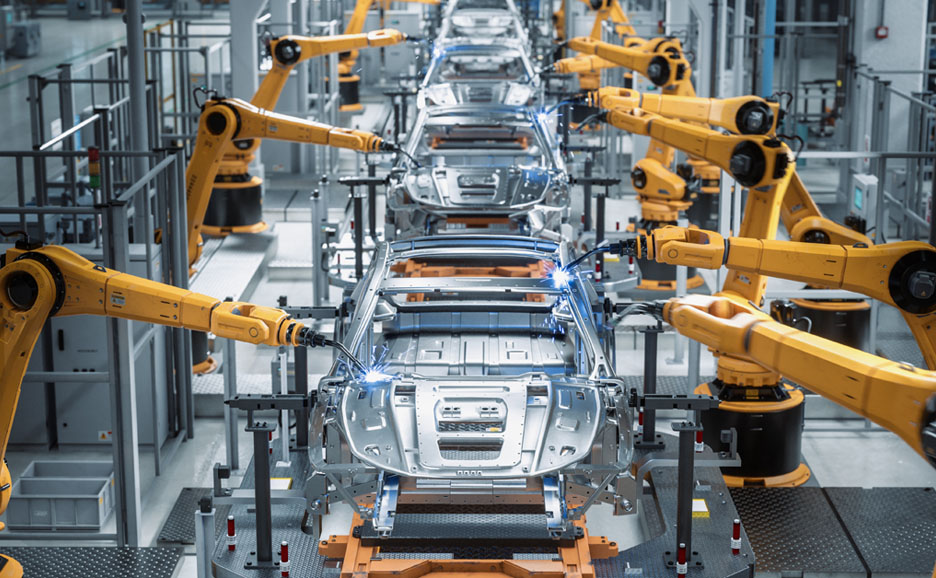
The rapid evolution of manufacturing technology has brought about significant changes in how products are designed, produced, and delivered. Among these advancements, computer numerical control (CNC) automation stands out as a transformative force in modern factories. By integrating sophisticated machinery with digital controls, manufacturers can achieve higher precision, efficiency, and flexibility than ever before. This overview of CNC automation in factories explores how these systems are reshaping production environments, the benefits they offer, and the challenges that come with their adoption.
As digital transformation accelerates across industries, understanding the fundamentals and practical applications of CNC automation is essential for manufacturers aiming to stay competitive. This article will guide you through the core concepts, real-world impacts, and future trends shaping this technology.
For those interested in how real-time data and monitoring further enhance automated production, see what is real-time factory monitoring for additional insights into connected manufacturing environments.
Understanding CNC Automation in Modern Factories
At its core, CNC automation refers to the use of computers to control machine tools such as lathes, mills, routers, and grinders. Unlike manual or conventional machining, CNC systems interpret digital instructions—often from CAD (computer-aided design) files—and convert them into precise movements of machinery. This process not only increases accuracy but also reduces human error and enables complex geometries that would be difficult or impossible to achieve manually.
In today’s factories, CNC automation is often integrated with broader digital systems, forming the backbone of what many refer to as “smart manufacturing.” These environments leverage sensors, data analytics, and interconnected machines to optimize every stage of production. To learn more about the broader context of smart manufacturing, you can explore what defines a smart factory and its core technologies.
Key Components of Automated CNC Systems
A comprehensive overview of CNC automation in factories should include the main elements that make these systems possible:
- Controller: The central computer that interprets digital instructions and sends commands to the machine’s motors and actuators.
- Machine Tool: The physical equipment (such as a milling machine or lathe) that performs the cutting, shaping, or drilling operations.
- Drive Motors and Actuators: Responsible for moving the machine’s components with high precision.
- Feedback Systems: Sensors and encoders that provide real-time data on position, speed, and tool condition, enabling closed-loop control.
- Human-Machine Interface (HMI): Touchscreens or control panels that allow operators to input commands, monitor performance, and adjust settings.
These components work together to automate repetitive tasks, maintain consistent quality, and enable rapid adjustments to production schedules or product designs.
Benefits of CNC Automation for Industrial Production
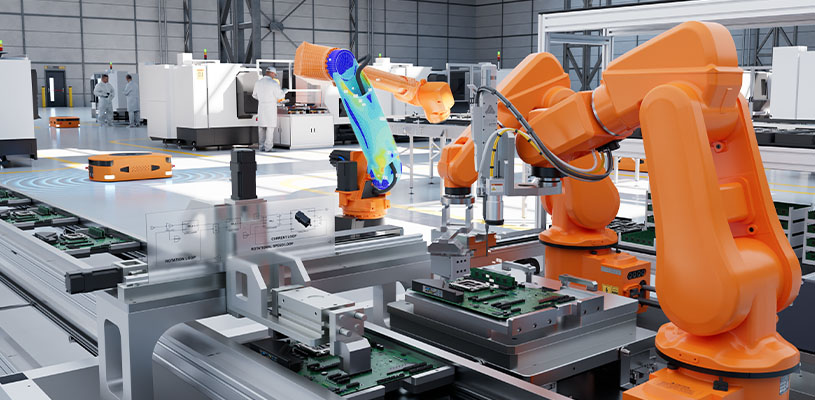
Embracing CNC automation brings a range of advantages to manufacturing operations. Some of the most significant benefits include:
- Enhanced Precision and Consistency: Automated systems deliver repeatable results, ensuring every part meets exact specifications.
- Increased Productivity: Machines can operate continuously with minimal downtime, significantly boosting output compared to manual methods.
- Reduced Labor Costs: Automation minimizes the need for manual intervention, allowing skilled workers to focus on higher-value tasks.
- Flexibility: CNC machines can be quickly reprogrammed to produce different parts, supporting rapid product changes and customization.
- Improved Safety: By automating hazardous or repetitive tasks, factories can reduce the risk of workplace injuries.
These advantages make CNC automation a cornerstone of efficient, scalable, and future-ready manufacturing environments.
Challenges and Considerations When Implementing CNC Automation
While the benefits are clear, integrating CNC automation into existing production lines is not without challenges. Companies must consider several factors:
- Initial Investment: The upfront cost of equipment, software, and training can be substantial, especially for small and medium-sized enterprises.
- Technical Expertise: Skilled personnel are required to program, maintain, and troubleshoot automated systems.
- Integration with Legacy Systems: Connecting new CNC machines with older equipment or IT infrastructure can pose compatibility issues.
- Cybersecurity: As factories become more connected, protecting sensitive production data and preventing unauthorized access becomes crucial.
- Ongoing Maintenance: Regular calibration, software updates, and part replacements are necessary to maintain optimal performance.
Addressing these challenges requires careful planning, investment in workforce development, and a clear digital transformation strategy.
Integrating CNC Automation with Other Smart Factory Technologies
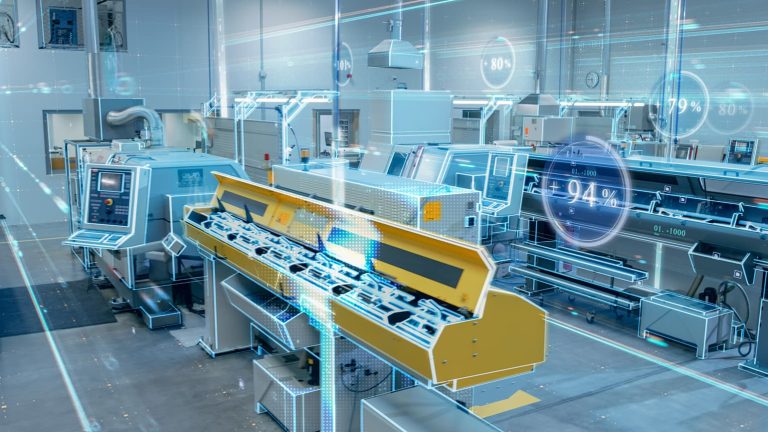
Modern manufacturing rarely relies on a single technology. Instead, CNC automation is often deployed alongside other innovations to create a fully connected production ecosystem. For example, how smart sensors monitor production is a key aspect of real-time quality control and predictive maintenance.
Additionally, collaborative robots—also known as cobots—are increasingly working side by side with CNC machines to handle material loading, unloading, and inspection. For a deeper understanding of this synergy, see how collaborative robots work in factories.
These integrations enable factories to collect and analyze vast amounts of data, optimize energy use, and respond quickly to changing market demands. For those interested in sustainability, factory energy efficiency explained offers practical tips for reducing resource consumption in automated environments.
Future Trends in Automated Manufacturing
The landscape of CNC automation continues to evolve. Several trends are shaping the next generation of manufacturing:
- Artificial Intelligence (AI): AI-driven analytics are being used to optimize tool paths, predict maintenance needs, and improve quality control.
- Industrial Internet of Things (IIoT): More machines are being connected to networks, enabling remote monitoring, diagnostics, and process optimization.
- Digital Twins: Virtual replicas of machines and processes allow for simulation, testing, and optimization before changes are made on the shop floor.
- Advanced Robotics: Robots are becoming more dexterous and collaborative, taking on tasks that require adaptability and precision.
- Greater Customization: Shorter product life cycles and demand for personalized goods are driving the need for flexible, reconfigurable CNC systems.
These trends highlight the importance of ongoing investment in technology and workforce skills to remain competitive in a rapidly changing manufacturing landscape.
Frequently Asked Questions
What types of industries benefit most from CNC automation?
Sectors such as automotive, aerospace, electronics, medical device manufacturing, and metal fabrication see significant gains from CNC automation. These industries require high precision, repeatability, and the ability to produce complex parts at scale.
How does CNC automation improve product quality?
By following programmed instructions with minimal variation, CNC machines produce parts that consistently meet tight tolerances. Integrated sensors and feedback systems further enhance quality by detecting errors early and enabling real-time adjustments.
Is it difficult to train staff to operate automated CNC systems?
While some technical knowledge is required, many modern CNC systems feature user-friendly interfaces and extensive training resources. Investing in workforce development ensures operators can program, maintain, and troubleshoot machines effectively.
Conclusion
The adoption of CNC automation is a defining feature of today’s advanced manufacturing facilities. By combining digital controls, precision machinery, and data-driven insights, factories can achieve new levels of efficiency, quality, and adaptability. As technology continues to advance, staying informed about the latest developments in automated production will be crucial for manufacturers of all sizes.