
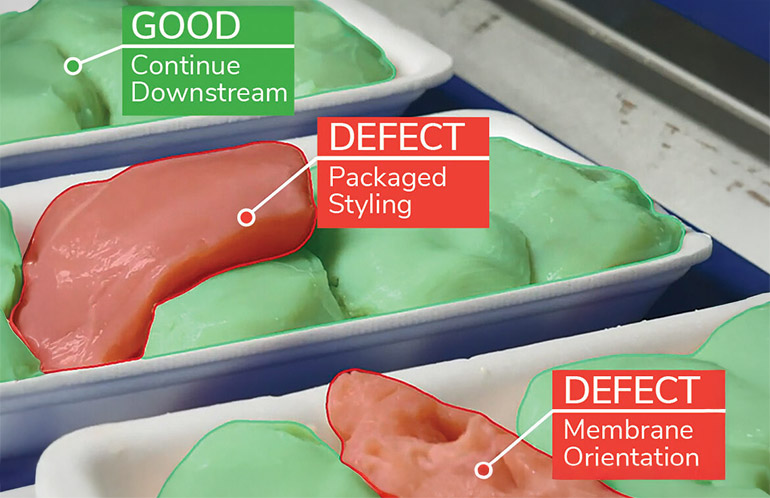
Integrating Supervisory Control and Data Acquisition (SCADA) systems with predictive analytics software is transforming industrial operations, especially in sectors like food processing, manufacturing, and utilities. By connecting real-time process data with advanced analytics, organizations can anticipate equipment failures, optimize production, and improve quality. However, the process of bringing these two technologies together requires careful planning and a clear understanding of both the technical and operational challenges involved.
This guide explores the essential steps, best practices, and common pitfalls when connecting SCADA platforms with predictive tools. Whether your goal is to enhance maintenance strategies, reduce downtime, or unlock new efficiencies, understanding how to integrate SCADA with predictive software is crucial for staying competitive in today’s data-driven landscape.
For those interested in related applications, our guide on how to predict motor failure in industrial mixers demonstrates how predictive analytics can be applied to specific equipment, offering further insights into the value of data integration.
Understanding SCADA and Predictive Analytics
Before diving into the integration process, it’s important to clarify what each system does. SCADA platforms are designed to monitor and control industrial processes by collecting data from sensors, PLCs, and other field devices. This data is typically visualized in real time, enabling operators to make informed decisions and respond quickly to issues.
Predictive analytics software, on the other hand, uses historical and real-time data to forecast future events. By applying machine learning algorithms and statistical models, these tools can identify patterns that indicate potential failures, process deviations, or opportunities for optimization.
The value of combining these systems lies in turning raw process data into actionable insights. When done correctly, this integration supports proactive maintenance, reduces unplanned downtime, and helps maintain product quality.
Key Steps for Integrating SCADA with Predictive Tools
Successfully connecting SCADA with predictive analytics involves several critical steps. Each phase requires collaboration between IT, operations, and data science teams to ensure a seamless and secure flow of information.
1. Define Objectives and Use Cases
Start by identifying the specific goals you want to achieve. Are you aiming to predict equipment failures, improve energy efficiency, or enhance product quality? Clear objectives will guide the integration process and help prioritize which data streams are most valuable.
Common use cases include:
- Predictive maintenance for pumps, motors, and conveyors
- Quality assurance in food and beverage production
- Energy consumption optimization
- Early detection of process anomalies
2. Assess Data Availability and Quality
Not all SCADA systems collect the same type or quality of data. Review your existing infrastructure to determine what data is available, how frequently it is sampled, and whether it is stored in a format accessible to external applications. Clean, high-resolution data is essential for effective predictive modeling.
Consider whether you need to add new sensors or upgrade your data historian to support advanced analytics. Data gaps or inconsistencies can undermine the accuracy of predictive models.
3. Establish Secure Data Connectivity
Connecting SCADA to predictive software typically involves setting up secure data pipelines. This may require:
- APIs or OPC (OLE for Process Control) interfaces for data exchange
- Middleware to translate between SCADA protocols and analytics platforms
- Firewalls and network segmentation to protect sensitive operational data
Security is paramount. Ensure that only authorized applications and users can access SCADA data, and that all data transfers are encrypted. Collaborate with IT and cybersecurity teams to implement best practices and comply with industry regulations.

4. Select the Right Predictive Analytics Platform
Choose a predictive analytics solution that is compatible with your SCADA system and supports your use cases. Some platforms are designed specifically for industrial environments and offer pre-built connectors for popular SCADA vendors. Others may require custom integration or middleware.
Key features to look for include:
- Real-time data ingestion and processing
- Support for machine learning and statistical modeling
- User-friendly dashboards and alerting capabilities
- Scalability to handle growing data volumes
Evaluate whether the platform can be deployed on-premises, in the cloud, or as a hybrid solution, depending on your security and performance requirements.
5. Develop and Validate Predictive Models
With data flowing from SCADA to your analytics platform, the next step is to build and validate predictive models. Data scientists and process engineers should collaborate to select relevant features, train models, and test their accuracy using historical data.
It’s important to involve operations staff in this process, as their domain expertise can help identify meaningful patterns and avoid false positives. Regularly retrain models as new data becomes available to maintain accuracy over time.
6. Integrate Insights into Operations
The final step is to ensure that predictive insights are actionable. This may involve:
- Sending alerts to operators when anomalies are detected
- Triggering automated responses through SCADA controls
- Visualizing predictions on dashboards for continuous monitoring
Feedback loops between analytics and operations are essential for continuous improvement. Encourage teams to review model performance and suggest adjustments based on real-world outcomes.
Benefits of Connecting SCADA and Predictive Analytics
When executed well, integrating SCADA with predictive software delivers significant advantages:
- Reduced downtime: Early detection of equipment issues enables proactive maintenance.
- Improved product quality: Predictive models can flag deviations before they impact output.
- Optimized resource use: Analytics help identify inefficiencies in energy, water, and raw materials.
- Enhanced compliance: Automated monitoring supports regulatory requirements and traceability.
For a deeper dive into how predictive analytics can address specific challenges, such as allergen management, see our article on predictive analytics for allergen cross-contamination.

Challenges and Best Practices for SCADA-Predictive Integration
While the benefits are clear, several challenges can arise during integration. Being aware of these issues and following best practices can help ensure a smooth transition.
- Data silos: Legacy SCADA systems may not easily share data. Invest in middleware or data brokers to bridge gaps.
- Data quality: Incomplete or noisy data can lead to inaccurate predictions. Prioritize data cleansing and validation.
- Change management: Operators may be hesitant to trust automated insights. Provide training and involve them in model development.
- Security risks: Opening SCADA data to external applications increases cyber risk. Implement strict access controls and monitoring.
For more on condition monitoring and maintenance strategies, this overview of predictive maintenance in food and beverage production offers practical advice and industry examples.
Frequently Asked Questions
What types of data are most important for predictive analytics in industrial settings?
Key data sources include sensor readings (temperature, vibration, pressure), equipment run times, maintenance logs, and process setpoints. High-frequency, high-quality data enables more accurate predictions and earlier detection of issues.
How long does it take to see results from integrating SCADA with predictive analytics?
The timeline varies depending on the complexity of your systems and the quality of your data. Many organizations see initial benefits within a few months, especially when starting with targeted use cases like equipment monitoring or quality control.
Can predictive analytics be applied to legacy SCADA systems?
Yes, but additional steps may be required. Middleware or data brokers can help extract and standardize data from older SCADA platforms. In some cases, upgrading certain components or adding new sensors may be necessary to support advanced analytics.
Conclusion
Bringing together SCADA and predictive analytics unlocks powerful opportunities for industrial organizations. By following a structured approach—defining objectives, ensuring data quality, establishing secure connectivity, and involving both technical and operational teams—you can maximize the value of your investment. As the industrial landscape becomes increasingly data-driven, mastering how to integrate SCADA with predictive software will be a key differentiator for efficiency, reliability, and growth.