

The food and beverage industry is undergoing rapid transformation as digital technologies reshape traditional manufacturing and safety protocols. Among these innovations, the impact of industrial internet of things on food safety is especially significant. IIoT refers to the integration of smart sensors, connected devices, and real-time data analytics into industrial environments. For food processors, this means unprecedented visibility, control, and traceability throughout the entire supply chain.
Ensuring food safety has always been a top priority, but the complexity of modern production lines, global sourcing, and regulatory requirements make it more challenging than ever. IIoT technologies are helping companies address these challenges by automating monitoring, improving process consistency, and enabling predictive maintenance. As a result, manufacturers can reduce contamination risks, respond faster to quality issues, and comply more easily with food safety standards.
For those interested in the broader context of smart manufacturing, the article what are the components of a smart food factory provides useful background on how digitalization is shaping the future of food production.
How IIoT Enhances Food Safety Monitoring
One of the most direct ways IIoT improves food safety is through continuous, automated monitoring of critical parameters. Smart sensors can track temperature, humidity, pH, and other variables at every stage of production and storage. This real-time data collection helps ensure that food products remain within safe thresholds, minimizing the risk of spoilage or contamination.
For example, temperature sensors installed in cold storage units can instantly alert staff if readings deviate from safe ranges. This proactive approach allows for immediate corrective action, reducing the likelihood of unsafe products reaching consumers. Automated data logging also simplifies compliance with regulatory requirements, as records are generated and stored digitally, making audits more efficient.
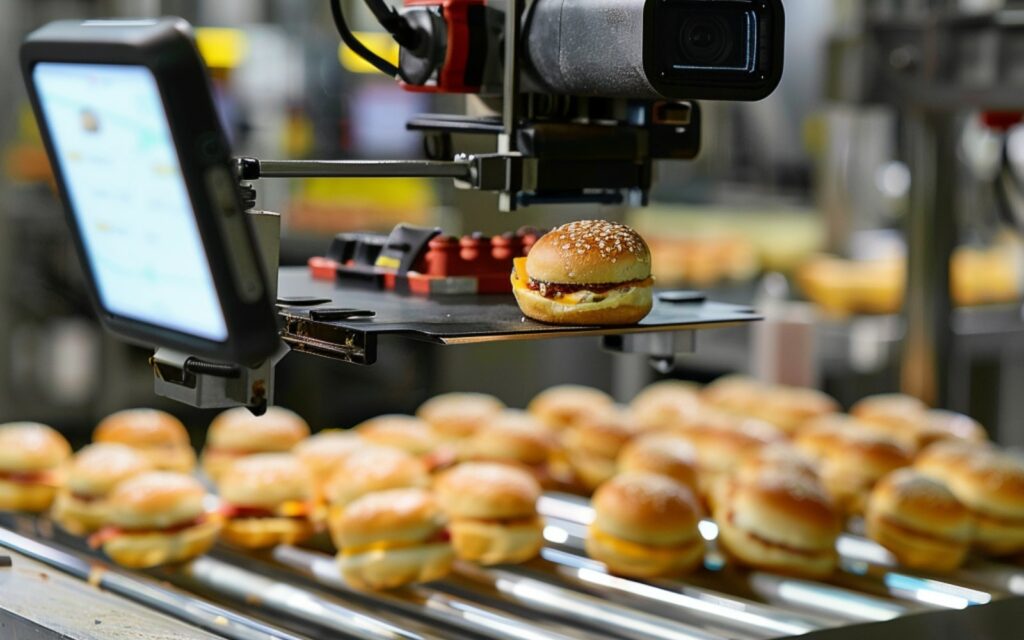
Beyond basic monitoring, IIoT systems can integrate with machine learning algorithms to detect anomalies or trends that might indicate potential hazards. This predictive capability is especially valuable for identifying issues before they escalate, such as equipment failures that could compromise hygiene or product quality.
Traceability and Transparency in the Supply Chain
Traceability is a cornerstone of modern food safety management. IIoT enables granular tracking of raw materials, ingredients, and finished goods as they move through the supply chain. Each step can be logged with time-stamped data, creating a digital record that links every product to its origin and handling history.
This level of transparency is invaluable during recalls or investigations. If a contamination event occurs, manufacturers can quickly pinpoint affected batches and trace the problem back to its source. This minimizes the scope of recalls, protects brand reputation, and ensures consumer safety.
For a deeper dive into how data analysis supports process optimization, see the resource on how to analyze historical data for process optimization.
Reducing Human Error and Improving Compliance
Manual processes are inherently prone to mistakes, whether due to oversight, fatigue, or inconsistent training. IIoT reduces reliance on human intervention by automating routine checks and standardizing data collection. This not only improves accuracy but also frees up staff to focus on higher-value tasks.
Automated systems can enforce compliance with food safety protocols by triggering alerts or even halting production if critical parameters fall outside acceptable limits. Digital records generated by IIoT devices provide an auditable trail, simplifying regulatory reporting and reducing the administrative burden on quality assurance teams.

Predictive Maintenance and Equipment Reliability
Unplanned equipment failures are a major risk factor for food safety incidents. IIoT-powered predictive maintenance uses sensor data and analytics to anticipate when machines are likely to fail or require servicing. By addressing issues before they lead to breakdowns, manufacturers can maintain hygienic conditions and avoid contamination risks.
For more on this topic, the article on predictive maintenance in the food industry explains how IIoT-driven insights can reduce downtime and improve overall safety.
Predictive maintenance also extends the lifespan of equipment and reduces costs associated with emergency repairs. This proactive approach aligns with broader industry trends toward smart manufacturing and continuous improvement.
Supporting Allergen Management and Cross-Contamination Prevention
Allergen control is a critical aspect of food safety, especially as consumer demand for transparency and labeling accuracy grows. IIoT devices can monitor cleaning cycles, track ingredient flows, and verify that equipment is properly sanitized between production runs. This reduces the risk of allergen cross-contact and helps manufacturers comply with stringent labeling regulations.
Advanced analytics can also identify patterns that might indicate lapses in cleaning or process controls. For more information on this, refer to the guide on predictive analytics for allergen cross-contamination.
Challenges and Considerations for IIoT Adoption
While the benefits are clear, implementing IIoT solutions in food manufacturing is not without challenges. Data security and privacy are major concerns, as connected devices can be vulnerable to cyber threats. Companies must invest in robust cybersecurity measures to protect sensitive production and consumer data.
Integration with legacy systems can also pose difficulties, especially in older facilities. Careful planning, staff training, and phased rollouts are essential to ensure a smooth transition. Additionally, the initial investment in IIoT infrastructure can be significant, but many organizations find that the long-term gains in efficiency, safety, and compliance justify the cost.
Future Trends: The Evolving Role of IIoT in Food Safety
As IIoT technologies continue to evolve, their role in safeguarding the food supply will only grow. Developments in artificial intelligence, edge computing, and blockchain are poised to further enhance traceability, automate decision-making, and provide even greater assurance of product integrity.
Manufacturers who embrace these innovations will be better positioned to meet regulatory demands, satisfy consumer expectations, and respond quickly to emerging risks. The shift toward smart, connected operations is not just a technological upgrade—it represents a fundamental change in how food safety is managed and assured.
For those looking to deepen their understanding of smart manufacturing strategies, the guide to smart manufacturing for food processors offers practical insights tailored to the food industry.
Frequently Asked Questions
How does IIoT help prevent food contamination?
IIoT systems continuously monitor critical variables such as temperature, humidity, and equipment status. By providing real-time alerts and automating corrective actions, these technologies help prevent contamination before it occurs. Automated data logging also supports rapid traceability in the event of a recall.
What are the main challenges in implementing IIoT for food safety?
Key challenges include ensuring cybersecurity, integrating new technologies with existing systems, and managing the costs of deployment. Staff training and change management are also important to ensure successful adoption and ongoing effectiveness.
Can IIoT improve allergen management in food processing?
Yes, IIoT devices can track cleaning cycles, monitor ingredient flows, and verify that equipment is properly sanitized. This reduces the risk of allergen cross-contact and helps companies comply with labeling regulations, protecting consumers with food allergies.
Is IIoT only beneficial for large food manufacturers?
While larger companies may have more resources for large-scale IIoT deployments, many solutions are scalable and can benefit small and medium-sized enterprises. Even basic sensor networks can provide valuable improvements in monitoring and compliance.
How does IIoT support regulatory compliance?
Automated data collection and digital record-keeping make it easier to demonstrate compliance with food safety standards. IIoT systems can generate audit-ready reports and ensure that all critical control points are continuously monitored and documented.