

When it comes to industrial standards, ASTM frequency guidelines for inspection play a crucial role in ensuring that materials and products meet certain quality and safety standards. These guidelines are particularly important for quality assurance professionals who are tasked with maintaining the integrity of products and processes. Understanding these guidelines can greatly enhance the reliability and safety of industrial operations. In this article, we will explore the significance of these guidelines and how they impact various industries.

What are ASTM Frequency Guidelines?
The American Society for Testing and Materials, or ASTM, is an organization that develops and publishes voluntary consensus technical standards for a wide range of materials, products, systems, and services. The frequency guidelines for inspection established by ASTM provide a framework for how often inspections should be carried out to ensure that products and processes adhere to quality standards.
Importance of Regular Inspections
Regular inspections are vital in maintaining the safety and functionality of equipment and infrastructure. They help in identifying potential issues before they become major problems, thereby reducing the likelihood of accidents and costly repairs. According to a recent study, industries that adhere to ASTM inspection guidelines tend to have a higher rate of compliance and fewer incidents related to equipment failure.
Benefits of Following ASTM Guidelines
- Improved Safety: Regular inspections ensure that equipment is functioning correctly, which in turn reduces the risk of accidents.
- Cost Efficiency: Identifying issues early can save costs associated with major repairs or replacements.
- Compliance: Adhering to these guidelines ensures that companies remain compliant with industry standards, avoiding potential legal issues.
How Often Should Inspections Occur?
The frequency of inspections as per ASTM guidelines can vary depending on the industry and the type of equipment involved. For instance, high-risk industries such as chemical manufacturing may require more frequent inspections compared to others. For more detailed information on specific industries, you can visit this external resource.
Factors Influencing Inspection Frequency
Several factors can influence how often inspections are conducted, including:
- Type of Equipment: More complex or higher-risk equipment may require more frequent inspections.
- Operating Conditions: Harsh operating conditions can increase wear and tear, necessitating more frequent checks.
- Historical Data: Past performance and failure rates can help determine the appropriate inspection frequency.
Industry-Specific Guidelines
Different industries may have specific guidelines that complement ASTM standards. For instance, the oil and gas industry has additional requirements due to the high-risk nature of their operations. More information can be found on industry-specific guidelines here.
Technological Innovations in Inspection
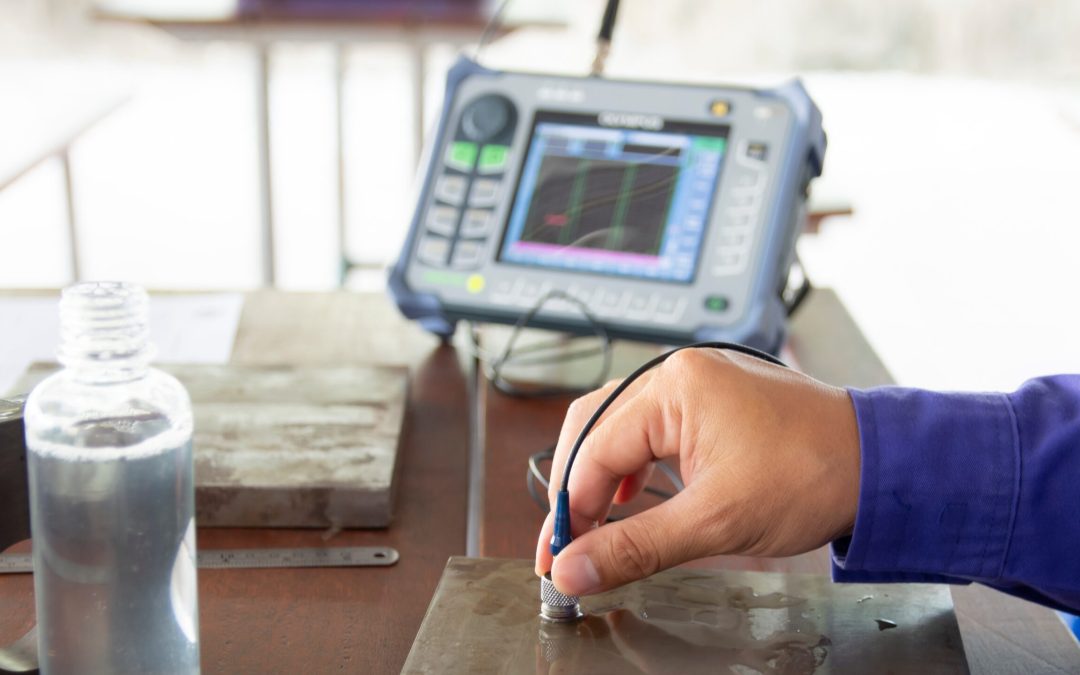
Advancements in technology have made it easier to conduct inspections. Tools such as drones, ultrasonic devices, and AI-driven software have increased the accuracy and efficiency of inspections. These innovations have also made it possible to conduct inspections in hazardous environments without putting human inspectors at risk. For more insights into how technology is revolutionizing inspections, check out this article.
Real-World Applications
In industries like wind energy, frequency analysis plays a crucial role in maintaining the efficiency and safety of wind turbines. Regular inspections ensure that these massive structures can withstand environmental stressors. For a deeper dive into how frequency analysis is applied in wind turbine inspections, visit this link.
Training and Skill Development
Proper training is essential for conducting effective inspections. Quality assurance professionals must be well-versed in both the technical aspects of inspections and the specific guidelines set by ASTM. Continuous skill development ensures that inspectors remain updated with the latest industry standards and technological advancements.
Frequently Asked Questions
Q1: What is the role of ASTM in inspections?
A: ASTM provides a framework for conducting inspections, ensuring that products meet quality and safety standards.
Q2: How do technological advancements impact inspection frequency?
A: New technologies have made it possible to conduct more frequent and accurate inspections, improving overall safety and efficiency.
Q3: Why is it important to follow industry-specific guidelines along with ASTM standards?
A: Industry-specific guidelines address unique challenges and risks, complementing ASTM standards to enhance overall safety and compliance.
Understanding and following ASTM frequency guidelines for inspection is essential for maintaining quality and safety across various industries. By adhering to these guidelines, quality assurance professionals can ensure that their operations are both efficient and compliant with industry standards. For further reading, you can explore more about frequency-related topics in inspections on this page.
This article contains affiliate links. We may earn a commission at no extra cost to you.