
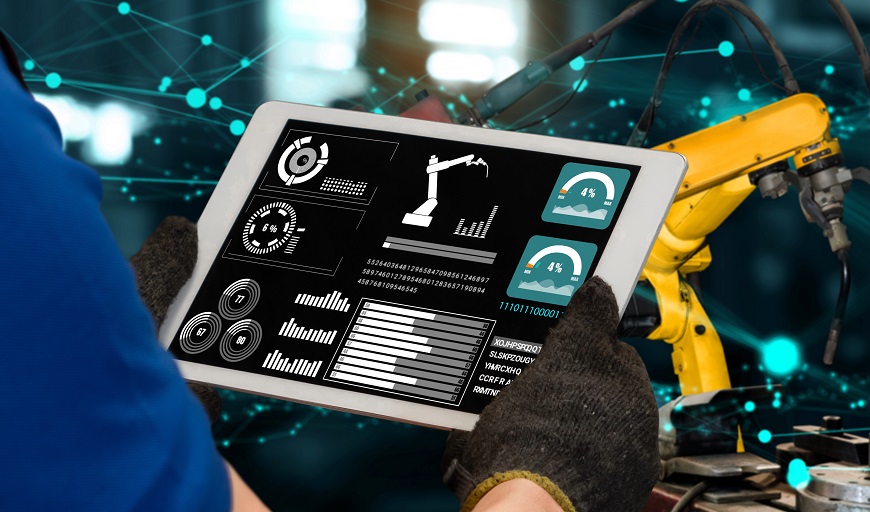
As manufacturing continues to evolve, the benefits of factory automation are becoming increasingly clear for businesses seeking to remain competitive and efficient. Automated systems, robotics, and smart technologies are transforming traditional production lines, enabling companies to boost output, reduce costs, and improve quality. In this guide, we’ll explore how implementing automation can drive productivity gains, streamline operations, and set the stage for future growth.
Understanding the impact of automation is essential for decision-makers in manufacturing. By leveraging advanced technologies, organizations can minimize human error, optimize resource allocation, and respond rapidly to changing market demands. For those interested in the broader context of digital transformation, exploring what defines a smart factory provides valuable insights into the integration of automation with data-driven processes.
Understanding Automated Manufacturing Systems
Automated manufacturing systems encompass a range of technologies, from programmable logic controllers (PLCs) and industrial robots to advanced software platforms that monitor and control production processes. These systems are designed to perform repetitive tasks with high precision, consistency, and speed. By integrating sensors, machine learning, and real-time analytics, factories can achieve a level of operational efficiency that’s difficult to match with manual labor alone.
The adoption of automation is not limited to large enterprises. Small and medium-sized manufacturers are increasingly investing in scalable solutions that fit their unique needs. Whether it’s automating material handling, assembly, or quality inspection, the core goal remains the same: to enhance productivity while maintaining flexibility and quality.
Key Productivity Gains from Automated Production
One of the most significant benefits of factory automation is the dramatic increase in productivity. Automated systems can operate around the clock without fatigue, enabling higher throughput and more consistent output. Here are some of the primary ways automation boosts productivity:
- Reduced Downtime: Automated equipment can perform self-diagnostics and predictive maintenance, minimizing unplanned outages.
- Faster Cycle Times: Machines work at optimal speeds, reducing the time required for each production cycle.
- Improved Quality Control: Automated inspection systems detect defects early, lowering rework rates and waste.
- Consistent Output: Automation ensures that every product meets the same specifications, reducing variability.
- Efficient Resource Use: Automated scheduling and material handling optimize the use of raw materials and energy.

Cost Savings and Operational Efficiency
Beyond productivity, automation delivers substantial cost savings across the manufacturing process. Labor costs are reduced as machines take over repetitive or hazardous tasks, allowing skilled workers to focus on higher-value activities such as process optimization and innovation. Additionally, automation minimizes material waste and energy consumption by precisely controlling every aspect of production.
Operational efficiency is further enhanced by the ability to collect and analyze real-time data. Managers can identify bottlenecks, monitor equipment performance, and make data-driven decisions that improve overall workflow. This level of visibility is crucial for maintaining lean operations and responding quickly to supply chain disruptions or shifts in customer demand.
Enhancing Workplace Safety and Employee Satisfaction
Safety is a top priority in any manufacturing environment. Automated systems can handle dangerous or ergonomically challenging tasks, reducing the risk of workplace injuries. This not only protects employees but also helps companies avoid costly downtime and regulatory penalties.
With automation handling routine work, employees are freed to engage in more meaningful roles, such as equipment supervision, maintenance, and process improvement. This shift can lead to higher job satisfaction, better retention rates, and a more skilled workforce overall.
Scalability and Future-Proofing Manufacturing Operations
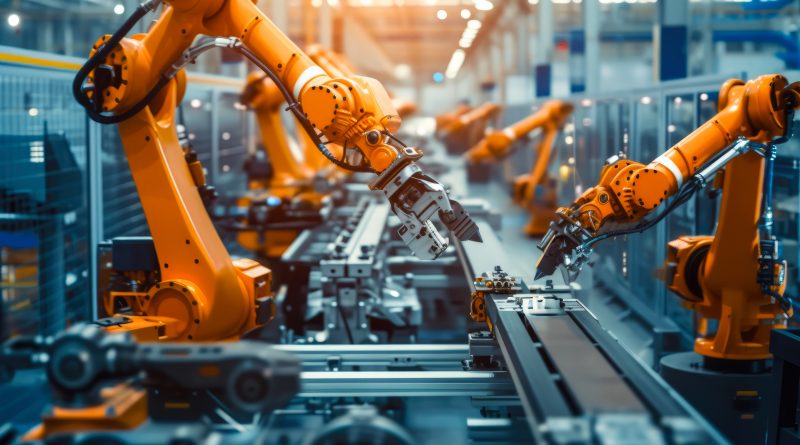
As markets evolve and customer expectations change, manufacturers need to adapt quickly. Automation provides the flexibility to scale production up or down with minimal disruption. Modular robotic systems and reprogrammable machinery allow for rapid reconfiguration, supporting new product launches or seasonal demand spikes.
Investing in automation also positions companies to take advantage of emerging technologies such as artificial intelligence, machine learning, and the Industrial Internet of Things (IIoT). These advancements enable predictive maintenance, advanced analytics, and seamless integration with supply chain partners, ensuring that operations remain competitive for years to come.
Common Challenges and Considerations
While the benefits of factory automation are substantial, successful implementation requires careful planning. Upfront costs, workforce training, and system integration can pose challenges, especially for smaller organizations. It’s important to conduct a thorough needs assessment, select scalable solutions, and involve employees in the transition process.
Ongoing support and maintenance are also critical to sustaining productivity gains. Partnering with experienced automation providers and investing in employee training can help ensure a smooth transition and long-term success.
Frequently Asked Questions
How does automation impact product quality?
Automated systems maintain consistent process parameters and perform precise quality checks, reducing human error and ensuring that each product meets strict standards. This leads to fewer defects, less rework, and higher customer satisfaction.
Is factory automation suitable for small manufacturers?
Yes, automation solutions are increasingly accessible and scalable for small and medium-sized businesses. Modular systems and cloud-based platforms allow manufacturers to start small and expand as needed, making automation a viable option for a wide range of operations.
What are the long-term advantages of investing in automation?
Over time, automation leads to lower operating costs, improved safety, greater flexibility, and the ability to adapt to technological advancements. These benefits help manufacturers remain competitive and resilient in a rapidly changing market.