
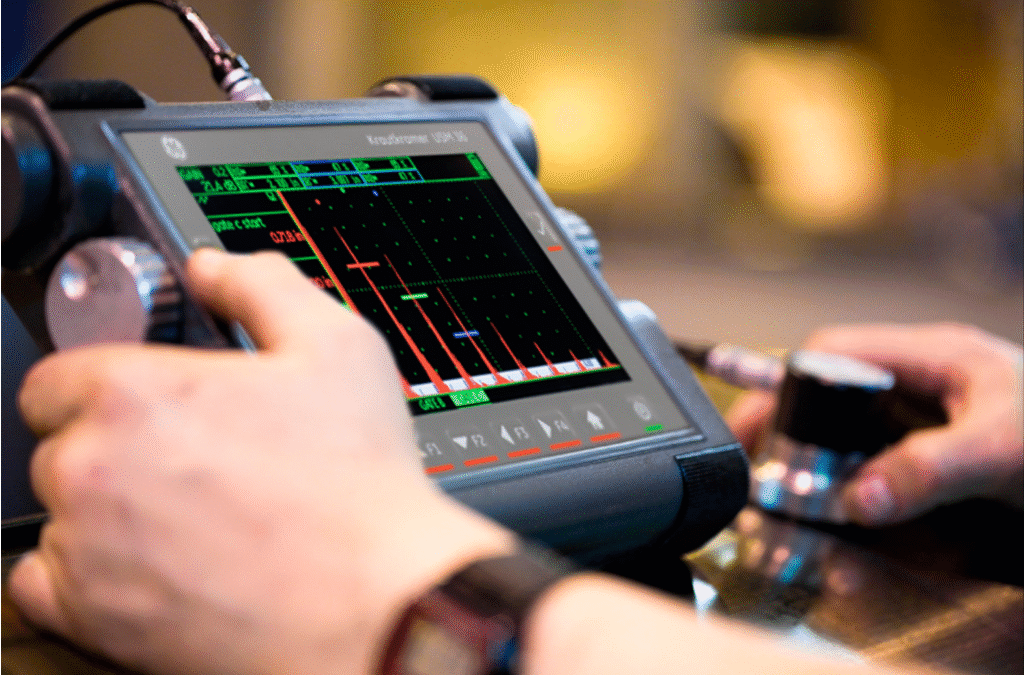
In todays fast-paced technological world, the need for precise and accurate measurements is more critical than ever. Whether in manufacturing, research, or quality assurance, synchronizing multiple probes is essential. This guide to synchronizing multiple probes will explore the fundamentals, benefits, and techniques to achieve perfect synchronization.
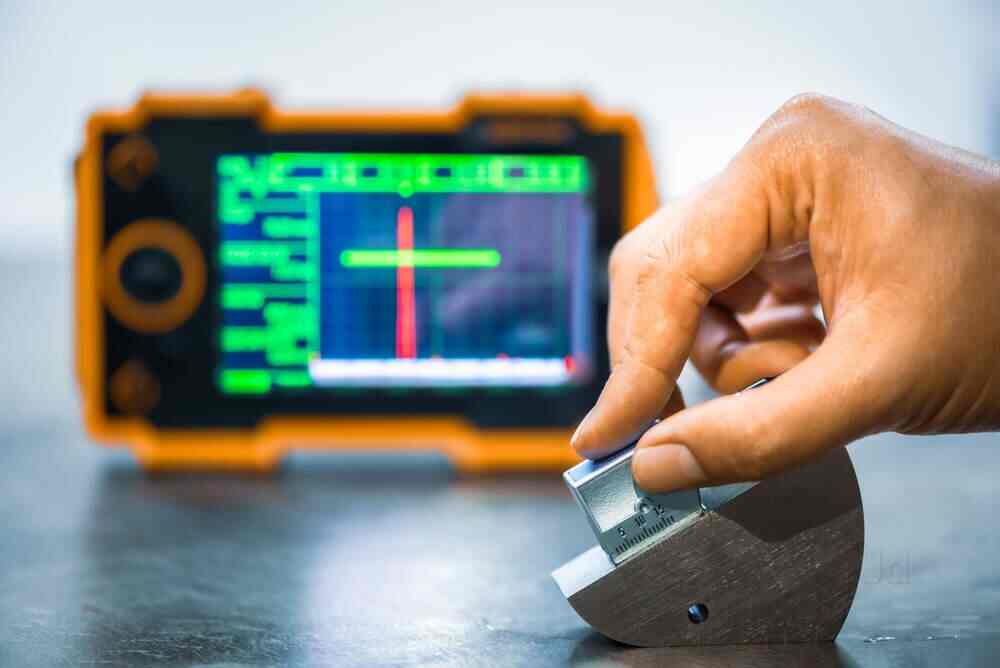
Understanding the Basics of Probe Synchronization
Probe synchronization is the process of ensuring that multiple measurement devices collect data simultaneously. It is crucial in applications where timing is essential, such as optical inspection devices and frequency optimization. Proper synchronization eliminates the errors that arise from time delays, leading to more accurate and reliable results.
The Importance of Proper Calibration
Calibration is the first step in synchronization. It ensures that all probes are set to the same reference point, reducing measurement discrepancies. Calibration is often carried out using standard signals or reference materials to maintain consistency across devices.
Techniques for Synchronizing Probes
Various techniques can be employed to synchronize probes, depending on the application and the type of probes used. Here are some common methods:
1. Hardware Synchronization
Hardware synchronization involves using physical connections to synchronize probes. This method is highly reliable and offers low latency. It is ideal for applications where precision is paramount.
2. Software Synchronization
Software synchronization uses algorithms to align the data collection process across probes. It is more flexible than hardware synchronization, allowing for easier adjustments and configurations.
Benefits of Synchronizing Multiple Probes
Proper synchronization offers numerous benefits, including:
Increased Accuracy
By ensuring all probes collect data simultaneously, synchronization improves the accuracy of measurements. It reduces the chance of errors caused by timing discrepancies.
Enhanced Data Quality
Synchronization also enhances the quality of data collected, making it more reliable for analysis and decision-making. This is particularly important in applications like calibration tests and adaptive frequency control.
Challenges in Probe Synchronization
Despite its advantages, synchronizing multiple probes can present challenges:
Complex Configurations
Managing and configuring multiple probes can be complex, requiring expertise and advanced tools. It is important to have the right infrastructure in place to handle synchronization effectively.
Cost Considerations
The costs associated with synchronization can be significant, especially when using high-end equipment. However, the accuracy and reliability gained can outweigh these costs in many applications.
Real-World Applications
Synchronizing multiple probes is used in various industries, including manufacturing, healthcare, and environmental monitoring. Its applications are vast and continue to grow as technology advances.
Manufacturing Industry
In manufacturing, synchronized probes are used for quality control and ensuring product consistency. They are integral in predictive maintenance and process optimization.
Healthcare Sector
Medical devices use synchronized probes for monitoring vital signs and diagnosing conditions. Synchronization ensures that data from multiple sources is accurate and reliable.
Future of Probe Synchronization
As technology advances, the future of probe synchronization looks promising. The development of more sophisticated algorithms and hardware will further enhance the precision and ease of synchronization.
Integration with IoT
The integration of synchronized probes with IoT devices is expected to revolutionize industries by providing real-time data analysis and insights.
Conclusion
In conclusion, the guide to synchronizing multiple probes highlights the importance of precision and accuracy in modern industries. By understanding the basics, techniques, and applications, businesses can harness the power of synchronization to improve their operations and product quality.
FAQs
What is probe synchronization?
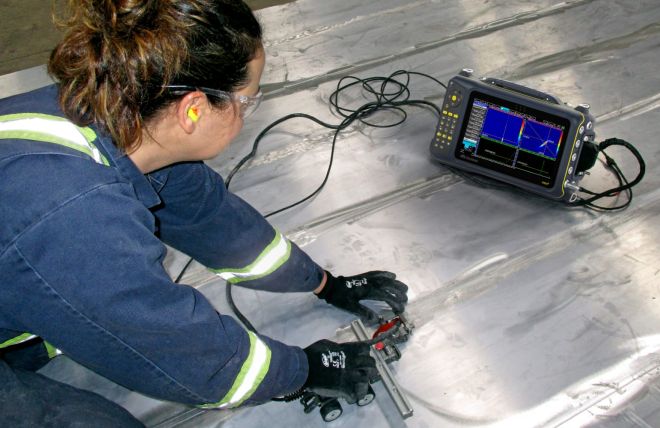
Probe synchronization is the process of ensuring that multiple measurement devices collect data simultaneously to improve accuracy and reliability.
Why is synchronization important?
Synchronization is crucial for eliminating timing errors and enhancing the quality of data collected, which is vital for analysis and decision-making.
How can I achieve probe synchronization?
Probe synchronization can be achieved through hardware or software methods, depending on the application and specific requirements.
For further reading, you can visit key factors for determining inspection frequency to understand the impact of frequency in inspection processes.
This article contains affiliate links. We may earn a commission at no extra cost to you.