
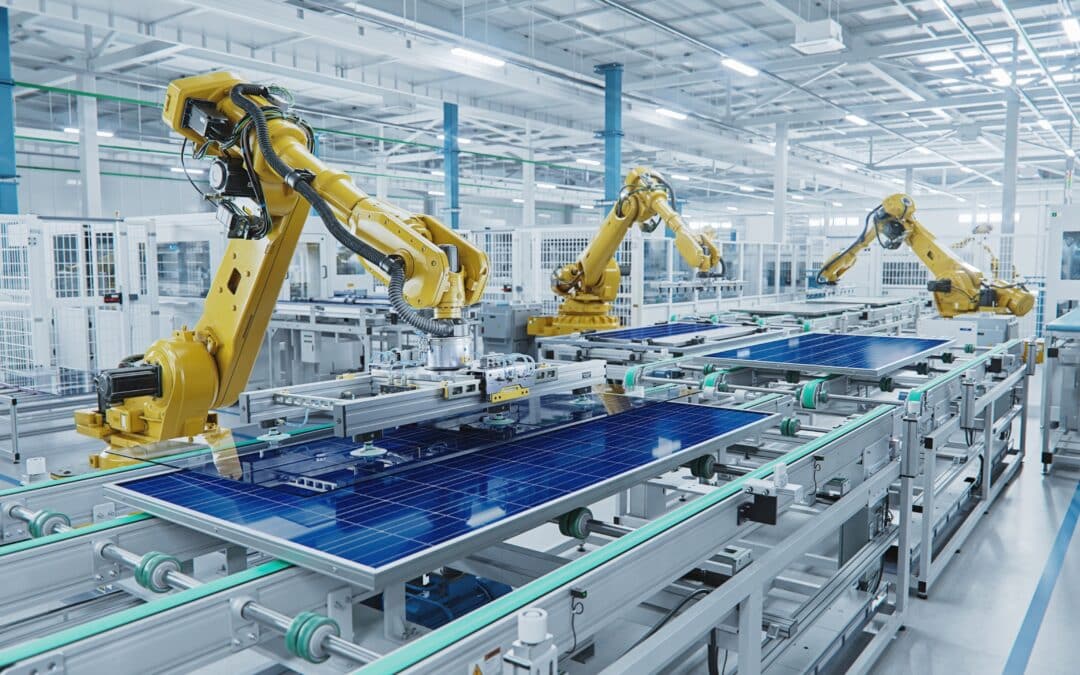
Artificial intelligence is rapidly transforming the way organizations manage their supply chains. By leveraging machine learning, predictive analytics, and automation, companies can optimize logistics, reduce costs, and improve responsiveness to market changes. Understanding how AI improves supply chain efficiency is essential for businesses aiming to stay competitive in today’s fast-paced manufacturing and distribution environments.
This article explores the practical ways AI is streamlining operations, from demand forecasting to real-time monitoring and process automation. We’ll also highlight key technologies, real-world applications, and actionable steps for implementation. For those interested in related innovations, learning about what is real-time factory monitoring can provide additional context on how digital tools are reshaping manufacturing.
AI-Driven Demand Forecasting and Inventory Management
One of the most significant impacts of artificial intelligence on supply chains is in demand forecasting. Traditional forecasting methods often rely on historical sales data and basic statistical models. In contrast, AI-powered systems analyze vast datasets, including market trends, seasonal patterns, and even external factors like weather or economic indicators.
By using machine learning algorithms, these systems can identify subtle patterns and predict demand more accurately. This leads to smarter inventory management, reducing both overstock and stockouts. Companies can maintain optimal inventory levels, minimize carrying costs, and respond quickly to shifts in customer demand.
Enhancing Logistics and Route Optimization
Logistics is another area where AI brings measurable improvements. Advanced algorithms process real-time data from GPS, traffic reports, and weather forecasts to determine the most efficient delivery routes. This not only saves fuel and reduces delivery times but also helps companies adapt to unexpected disruptions, such as road closures or sudden demand spikes.
AI-powered route optimization tools can dynamically re-route shipments, allocate resources, and even predict maintenance needs for vehicles. The result is a more agile and resilient supply chain, capable of maintaining high service levels while keeping operational costs in check.
Real-Time Monitoring and Smart Factory Integration
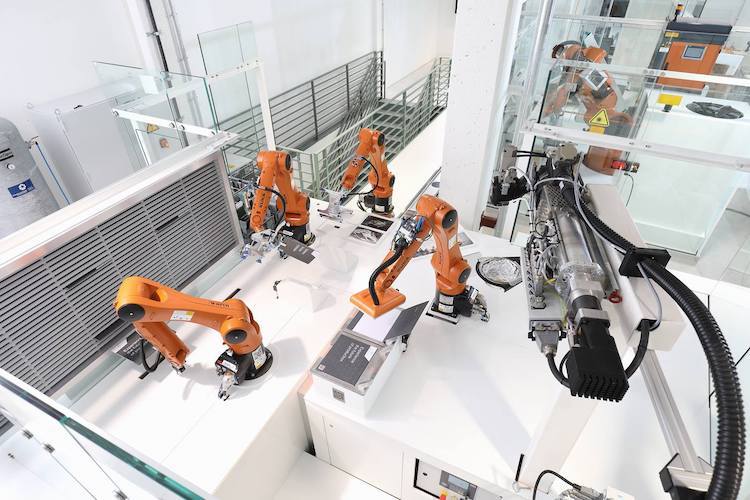
Integrating AI with smart factory technologies enables real-time visibility across the entire supply chain. Sensors and IoT devices collect data on production rates, equipment health, and inventory movement. AI systems process this information instantly, identifying bottlenecks, predicting equipment failures, and suggesting corrective actions before issues escalate.
Manufacturers can achieve greater transparency and control by connecting their operations through digital platforms. For a deeper dive into these concepts, explore how smart sensors monitor production and their role in enabling proactive decision-making.
The concept of the smart factory is central to this transformation. Facilities equipped with interconnected devices and AI-driven analytics can self-optimize, reducing downtime and improving throughput. For more on this topic, see this comprehensive explanation of smart factories and their benefits.
Process Automation and Robotic Collaboration
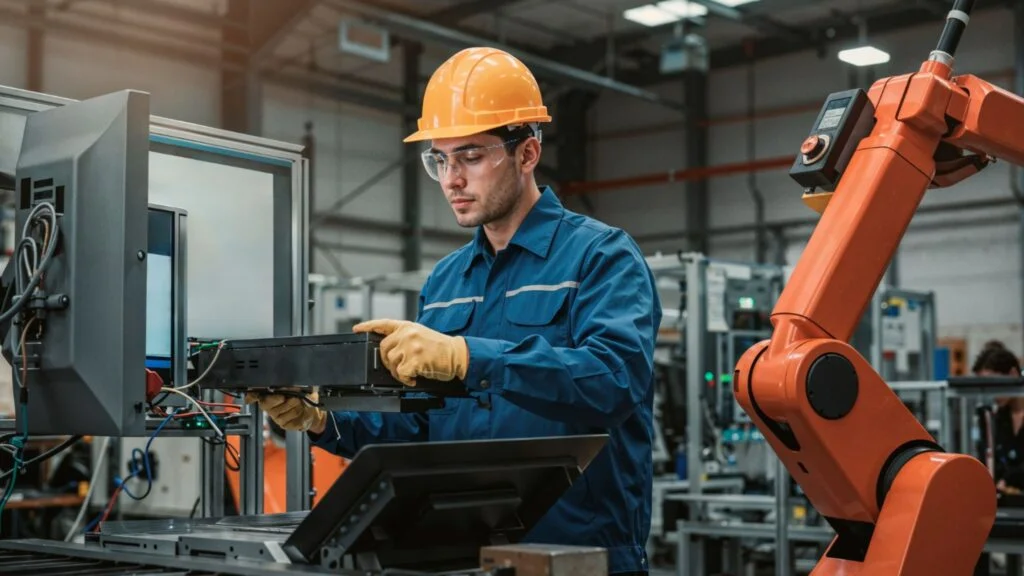
Automation, powered by artificial intelligence, is streamlining repetitive and labor-intensive tasks throughout the supply chain. Robots and automated guided vehicles (AGVs) can handle picking, packing, and sorting with high precision. AI enables these machines to adapt to changing conditions, learn from experience, and collaborate safely with human workers.
Collaborative robots, or cobots, are increasingly common in manufacturing and warehousing. They work alongside employees, handling tasks that require consistency and speed while humans focus on more complex problem-solving. Learn more about these advancements in how collaborative robots work in factories.
Data-Driven Decision Making and Continuous Improvement
The adoption of AI in supply chain management goes beyond automation and monitoring. It empowers organizations to make data-driven decisions at every stage. By analyzing historical and real-time data, AI tools can uncover inefficiencies, recommend process improvements, and simulate the impact of potential changes.
Continuous improvement becomes more achievable as AI systems learn from new data, adapt to evolving conditions, and refine their recommendations. This creates a cycle of optimization that drives ongoing gains in productivity and cost savings.
Overcoming Challenges in AI Adoption
While the benefits are clear, integrating AI into supply chain operations comes with challenges. Data quality and integration are critical—AI systems require accurate, timely information from multiple sources. Companies must also address concerns around workforce adaptation, cybersecurity, and the upfront investment in technology.
Successful implementation often involves starting with pilot projects, measuring results, and scaling up gradually. Organizations can also benefit from cross-functional teams that combine supply chain expertise with data science and IT skills.
Environmental and Sustainability Benefits
Beyond operational gains, AI can support sustainability initiatives within the supply chain. By optimizing routes, reducing waste, and improving energy efficiency, companies can lower their environmental footprint. For practical strategies on this front, see factory energy efficiency explained.
Predictive maintenance, smarter resource allocation, and reduced excess inventory all contribute to greener operations. As regulatory and consumer pressures for sustainability grow, AI-driven supply chains are well positioned to meet these expectations.
FAQ: Artificial Intelligence in Supply Chain Optimization
What are the main benefits of using AI in supply chain management?
The primary advantages include improved demand forecasting, more efficient logistics, reduced operational costs, and enhanced agility. AI also enables real-time monitoring, predictive maintenance, and smarter inventory control, resulting in a more resilient and responsive supply chain.
How does AI help with inventory optimization?
AI systems analyze a wide range of data sources to predict demand and adjust inventory levels accordingly. This minimizes the risk of overstocking or running out of products, helping companies maintain the right balance and reduce carrying costs.
Is it difficult to implement AI in existing supply chain operations?
Implementation can be complex, especially for organizations with legacy systems or fragmented data. However, starting with targeted pilot projects and gradually expanding AI integration can help manage risks and demonstrate value. Collaboration between supply chain, IT, and data science teams is key to success.
Can AI contribute to sustainability in supply chains?
Yes, AI can optimize resource use, reduce waste, and improve energy efficiency. These improvements not only lower costs but also help organizations meet environmental goals and regulatory requirements.
Conclusion: Embracing AI for a Smarter Supply Chain
The integration of artificial intelligence into supply chain management is no longer a futuristic concept—it’s a practical necessity for organizations seeking efficiency, agility, and sustainability. By leveraging AI for forecasting, logistics, automation, and decision-making, companies can unlock new levels of performance and resilience. As technology continues to evolve, those who embrace these tools will be best positioned to thrive in an increasingly complex and competitive landscape.