
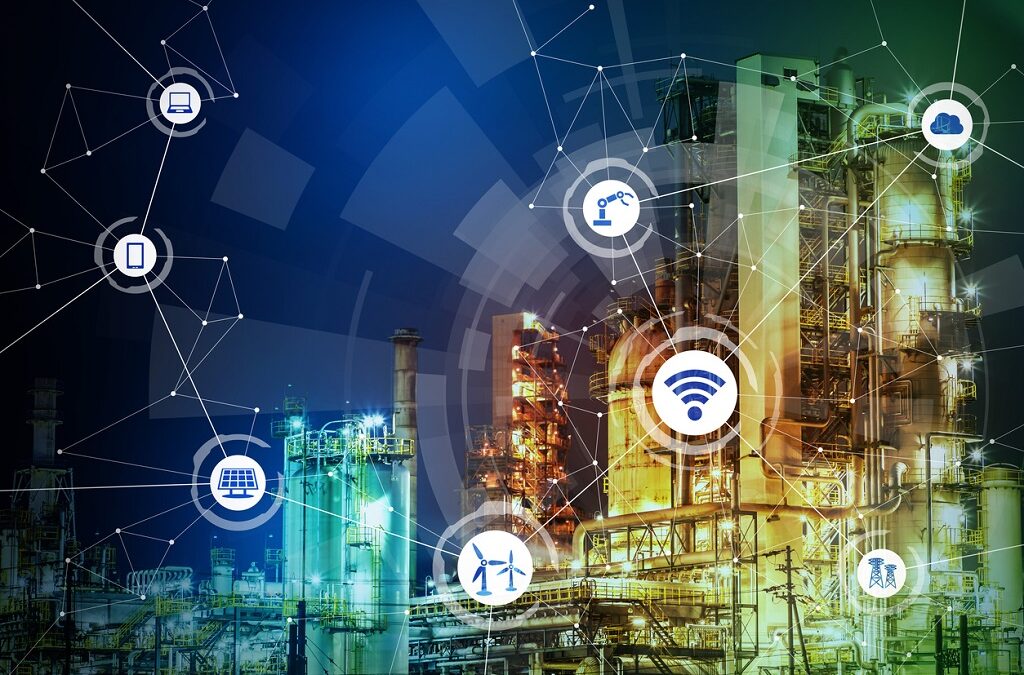
The rapid advancement of technology has transformed how factories and manufacturing plants operate. At the heart of this transformation is industrial automation system design, a discipline that integrates hardware, software, and intelligent control to streamline production, improve quality, and reduce costs. Understanding the principles and steps behind these systems is essential for businesses aiming to stay competitive in modern industry.
This article provides a comprehensive overview of how automated solutions are conceived, developed, and implemented in industrial environments. We’ll explore the core components, design process, and best practices, offering insights for engineers, plant managers, and decision-makers. For those interested in related topics, our guide on what is real-time factory monitoring offers additional context on how real-time data supports automation strategies.
What Is Industrial Automation and Why Does It Matter?
Automation in industry refers to the use of control systems, such as computers or robots, and information technologies to handle different processes and machinery. The goal is to minimize human intervention, increase efficiency, and ensure consistent product quality. Well-designed automation systems can lead to significant improvements in productivity, workplace safety, and operational flexibility.
Modern factories leverage automation to address challenges like labor shortages, complex production requirements, and the need for real-time adaptability. By integrating sensors, actuators, programmable logic controllers (PLCs), and advanced analytics, manufacturers can achieve a level of precision and reliability that manual processes cannot match.
Key Elements of a Robust Automation System
A successful automation setup is built on several foundational components. Understanding these elements is crucial for anyone involved in automation system design:
- Sensors and Input Devices: These collect data from the production environment, such as temperature, pressure, or position.
- Controllers: Devices like PLCs or industrial PCs interpret sensor data and make decisions based on programmed logic.
- Actuators and Output Devices: Motors, valves, and relays that physically alter the process in response to controller commands.
- Human-Machine Interfaces (HMIs): Touchscreens or panels that allow operators to monitor and interact with the system.
- Communication Networks: Wired or wireless connections that enable devices to share information and coordinate actions.
- Software and Analytics: Applications that provide data visualization, predictive maintenance, and optimization tools.
Each of these elements must be carefully selected and integrated to ensure seamless operation and scalability.
.jpg?width=755&height=425&name=smart%20manufacturing%20article%20header%20image%20%20(1).jpg)
Stages of Industrial Automation System Planning
The process of developing an automated solution involves several key phases. Each step requires careful attention to detail to ensure the final system meets operational goals.
- Requirements Analysis: Identify the specific needs of the facility, including production targets, safety standards, and integration with existing equipment.
- System Architecture Design: Define the overall structure, selecting appropriate hardware and software platforms. This includes choosing sensors, controllers, and communication protocols.
- Component Selection and Sourcing: Evaluate and procure devices that meet performance, reliability, and budget requirements.
- Programming and Configuration: Develop control logic, user interfaces, and data management routines tailored to the application.
- Testing and Validation: Simulate operations, conduct real-world trials, and verify that the system performs as intended under all conditions.
- Deployment and Training: Install the system, train operators, and establish maintenance procedures to ensure long-term success.
Each phase should involve collaboration between engineers, IT specialists, and end users to align technology with business objectives.
Best Practices for Automation Project Success
Implementing an automated solution is a complex undertaking. Following proven strategies can help organizations avoid common pitfalls and maximize return on investment:
- Start with Clear Objectives: Define measurable goals, such as reducing downtime, improving throughput, or enhancing product quality.
- Prioritize Scalability: Design systems that can adapt to future changes in production volume or technology.
- Emphasize Interoperability: Ensure new components can communicate with legacy equipment and enterprise systems.
- Invest in Cybersecurity: Protect networks and devices from unauthorized access or cyber threats.
- Leverage Data Analytics: Use real-time monitoring and predictive maintenance to optimize performance and prevent failures. For more on this, see our article on how smart sensors monitor production.
- Engage Stakeholders Early: Involve operators, maintenance teams, and management throughout the project to ensure buy-in and smooth adoption.
Emerging Trends in Automated Manufacturing
The landscape of industrial automation is constantly evolving. Several trends are shaping the future of system design:
- Artificial Intelligence and Machine Learning: AI-driven analytics enable predictive maintenance, adaptive control, and process optimization.
- Industrial Internet of Things (IIoT): Connected devices provide granular visibility and facilitate remote management.
- Collaborative Robots (Cobots): Robots designed to work safely alongside humans are expanding automation’s reach. Learn more in our resource on how collaborative robots work in factories.
- Smart Factories: Fully integrated environments where machines, systems, and humans interact seamlessly. For an in-depth look, see this overview of smart factory concepts and benefits.
- Energy Efficiency: Automation is increasingly used to monitor and reduce energy consumption. See our article on factory energy efficiency explained for practical tips.
Common Challenges and How to Overcome Them
Even with careful planning, organizations may encounter obstacles during the deployment of automated solutions. Some of the most frequent challenges include:
- Integration Issues: Connecting new automation with legacy systems can be complex. Using open standards and modular architectures can ease this process.
- Change Management: Employees may resist new workflows. Providing training and involving staff early can help build acceptance.
- Budget Constraints: Upfront costs can be significant. Prioritizing projects with clear ROI and leveraging scalable solutions can mitigate financial risks.
- Maintenance and Support: Automated systems require ongoing upkeep. Establishing preventive maintenance routines and clear documentation is essential.
FAQ: Industrial Automation System Design
What are the main benefits of implementing automation in manufacturing?
Automated systems increase productivity, improve product quality, reduce operational costs, and enhance workplace safety. They also provide real-time data for better decision-making and enable rapid adaptation to changing market demands.
How do I choose the right automation technology for my factory?
Start by assessing your production goals, existing infrastructure, and budget. Consult with automation experts to evaluate options such as PLCs, robotics, and IIoT devices. Consider scalability, interoperability, and ease of integration with current systems.
Is it possible to automate older manufacturing equipment?
Yes, many legacy machines can be retrofitted with sensors, controllers, and communication modules. This approach extends equipment life and brings the benefits of automation without requiring a complete overhaul.
How does predictive maintenance fit into automation system design?
Predictive maintenance uses real-time sensor data and analytics to anticipate equipment failures before they occur. Integrating these capabilities into your automation strategy can reduce downtime, lower maintenance costs, and improve overall reliability.
Conclusion
The field of industrial automation system design is central to the future of manufacturing. By understanding the core components, planning stages, and best practices, organizations can unlock new levels of efficiency and competitiveness. As technology continues to evolve, staying informed and adaptable is key to long-term success in automated production environments.