
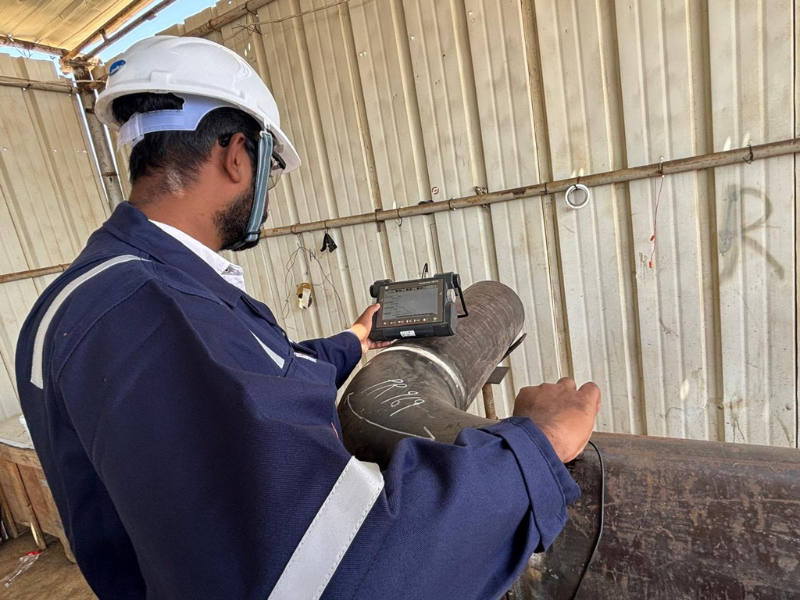
The concept of international standards on frequency and inspection plays a pivotal role in the realm of industry quality assurance. These standards ensure that processes, products, and systems are evaluated consistently worldwide, maintaining a level of quality and safety that is expected by stakeholders. For Industry QA Professionals, understanding these standards is crucial for maintaining competitiveness and ensuring compliance.
The primary function of these standards is to establish a benchmark for inspection frequency across various industries. This ensures that inspections are conducted regularly, maintaining the integrity and safety of processes and products. By adhering to these standards, industries can optimize their inspection schedules, preventing over-inspection which can be resource-intensive, and under-inspection which can lead to overlooked issues.
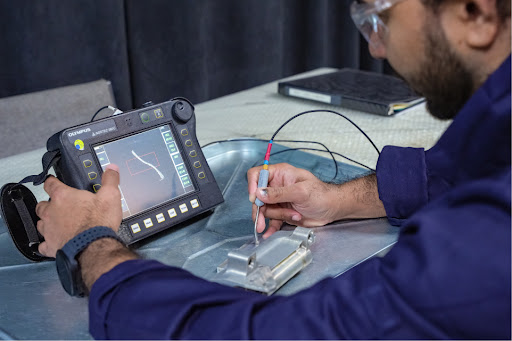
Understanding the Importance of Inspection Standards
Inspection standards are essential for maintaining the quality and safety of products and processes. They provide a framework for low and high frequency inspection practices, ensuring that each element is checked in a timely manner. This systematic approach helps in identifying potential defects early, reducing the risk of costly errors and accidents.
The Role of Frequency in Inspection
Frequency is a critical element in the inspection process. It determines how often inspections should occur to ensure ongoing quality and safety. The optimal frequency can vary based on the complexity and risk associated with different systems and processes. Understanding this can guide frequency in inspection tools and help in aligning with international standards.
Global Harmonization of Standards
One of the goals of international standards is to harmonize inspection practices across borders. This harmonization facilitates trade and ensures that products meet the same levels of quality and safety regardless of where they are produced. Organizations like ISO (International Organization for Standardization) are instrumental in developing these standards, promoting consistency and reliability in global markets.
Benefits of Adhering to International Standards
Compliance with international standards offers numerous benefits, including enhanced credibility, improved marketability, and increased efficiency. By adhering to these standards, companies can assure their customers that they meet the highest levels of quality and safety. This compliance also helps in reducing costs associated with non-compliance penalties and rework.
Challenges in Implementing Standards
Despite the benefits, implementing international standards can present challenges. These can include the costs associated with training and system updates, as well as the complexity of integrating standards into existing processes. However, these challenges are often outweighed by the long-term benefits of compliance.
Role of Technology in Inspection Standards
Technology plays a significant role in facilitating the implementation of inspection standards. Innovations in synchronization technologies and other inspection tools help streamline processes, making them more efficient and accurate.
Future Trends in Inspection Standards
The future of inspection standards is likely to be shaped by advancements in technology, such as AI and IoT, which can provide real-time data and predictive insights. These technologies will continue to transform how inspections are conducted, offering new possibilities for maintaining quality and safety.
Conclusion
In conclusion, international standards on frequency and inspection are vital for ensuring the quality and safety of products and processes in various industries. By understanding and implementing these standards, Industry QA Professionals can enhance their operations, reduce risks, and maintain a competitive edge in the global market.

FAQ
What are international standards on frequency and inspection?
They are guidelines that ensure consistent quality and safety practices in inspections across different industries worldwide.
Why are inspection standards important?
They help maintain product and process quality, identify defects early, and ensure compliance with global safety norms.
How does technology impact inspection standards?
Technology enhances inspection processes through innovations that improve efficiency and accuracy, such as real-time data and predictive analytics.
This article contains affiliate links. We may earn a commission at no extra cost to you.