
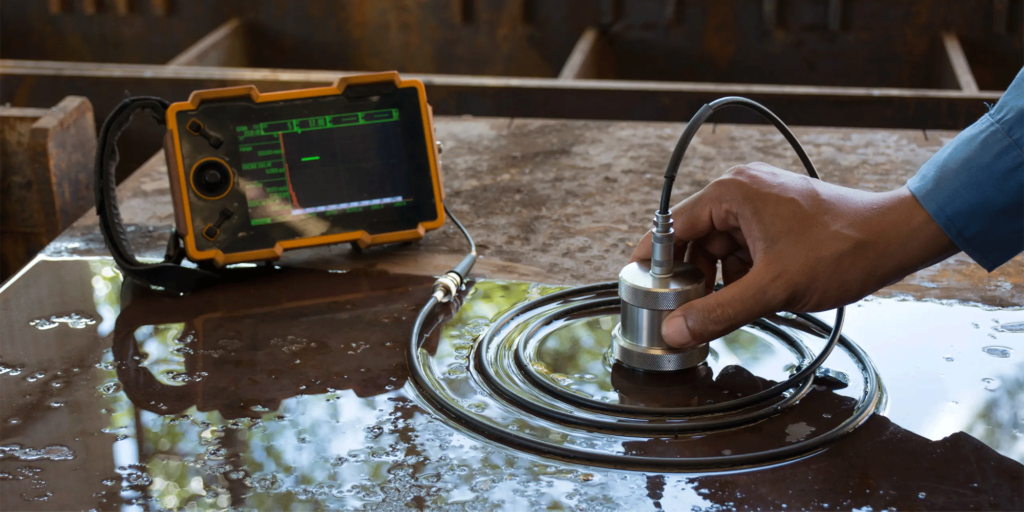
In today’s rapidly advancing technological landscape, the integration of nanotechnology in inspection processes has ushered in a new era of precision and efficiency. The role of frequency in these inspections cannot be overstated, as it plays a crucial part in ensuring consistent and reliable outcomes. As industry QA professionals, understanding the synergy between nanotechnology and frequency in inspection is essential for maintaining high standards of quality and safety.
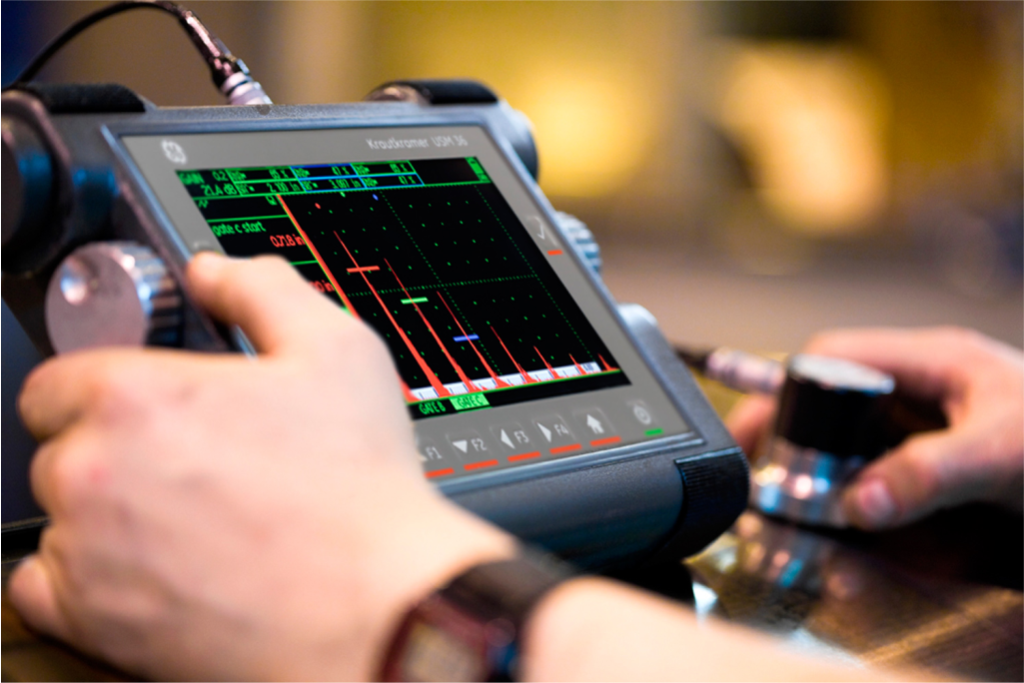
The Evolution of Nanotechnology in Inspection
The advent of nanotechnology has revolutionized the inspection industry. By enabling the manipulation and control of materials at an atomic and molecular scale, nanotechnology allows for unprecedented levels of detail and accuracy. This is particularly beneficial in industries where precision is paramount, such as electronics, pharmaceuticals, and aerospace.
Applications of Nanotechnology in Various Industries
Nanotechnology’s impact is felt across multiple sectors. In the electronics industry, for example, it facilitates the production of smaller, more efficient components. In pharmaceuticals, it aids in the development of targeted drug delivery systems. The aerospace industry benefits from lightweight yet durable materials, enhancing both performance and safety.
The Role of Frequency in Inspection Processes
Understanding the role of frequency in inspection is equally important. Frequency refers to how often inspections are conducted, as well as the rate at which data is collected and analyzed. Optimizing frequency ensures that inspections are neither too frequent, leading to unnecessary costs, nor too infrequent, risking oversight of critical issues.
Determining the Right Frequency
Determining the appropriate frequency for inspections involves considering several factors, including the nature of the material or component, the environment in which it operates, and the potential risks associated with its failure. Industry standards and regulatory requirements also play a significant role in setting inspection intervals.
For more information on setting the right inspection frequency, visit What’s the right Inspection Frequency for Equipment?
Benefits of Integrating Nanotechnology with Frequency in Inspections
Combining nanotechnology with optimal frequency in inspections offers numerous benefits. It enhances the accuracy and reliability of inspections, reduces downtime, and extends the lifespan of equipment. Moreover, it enables early detection of potential issues, allowing for timely interventions that prevent costly failures.
Examples of Successful Integration
A notable example is the wind turbine industry, where frequency analysis is used to monitor and maintain turbine components. This integration ensures optimal performance and reduces the likelihood of unexpected breakdowns. Learn more about this process in the article Frequency Analysis in Wind Turbine Inspection.
Challenges and Considerations
Despite its advantages, integrating nanotechnology and frequency in inspection processes is not without challenges. These include the high cost of technology implementation, the need for skilled personnel, and the complexity of analyzing large volumes of data. Addressing these challenges requires strategic planning and investment.
Overcoming Integration Challenges
To overcome these challenges, companies can invest in training programs to upskill their workforce, adopt advanced data analytics tools, and collaborate with technology providers to tailor solutions to their specific needs.
Future Trends in Nanotechnology and Frequency in Inspection
The future of nanotechnology and frequency in inspection is promising, with ongoing research and development driving continuous improvements. Emerging trends include the use of artificial intelligence and machine learning to enhance data analysis, as well as the development of more affordable and accessible nanotechnology solutions.
Embracing Innovation for a Competitive Edge
Organizations that embrace these innovations will be better positioned to maintain a competitive edge in the market, ensuring the highest standards of quality and safety in their operations.
Conclusion
In conclusion, the integration of nanotechnology and frequency in inspection processes represents a significant advancement in quality assurance practices. By staying informed and embracing these technologies, industry QA professionals can enhance their inspection capabilities, ensuring that they meet the demands of an ever-evolving technological landscape.
FAQs
What is nanotechnology’s role in inspection?
Nanotechnology enhances inspection by allowing precise control at an atomic level, improving accuracy and detail.
Why is frequency important in inspection?
Frequency ensures inspections are timely and effective, preventing both unnecessary costs and critical oversights.
What challenges exist in integrating these technologies?
Challenges include high costs, skill requirements, and data complexity, which can be mitigated through strategic planning and investment.
This article contains affiliate links. We may earn a commission at no extra cost to you.