
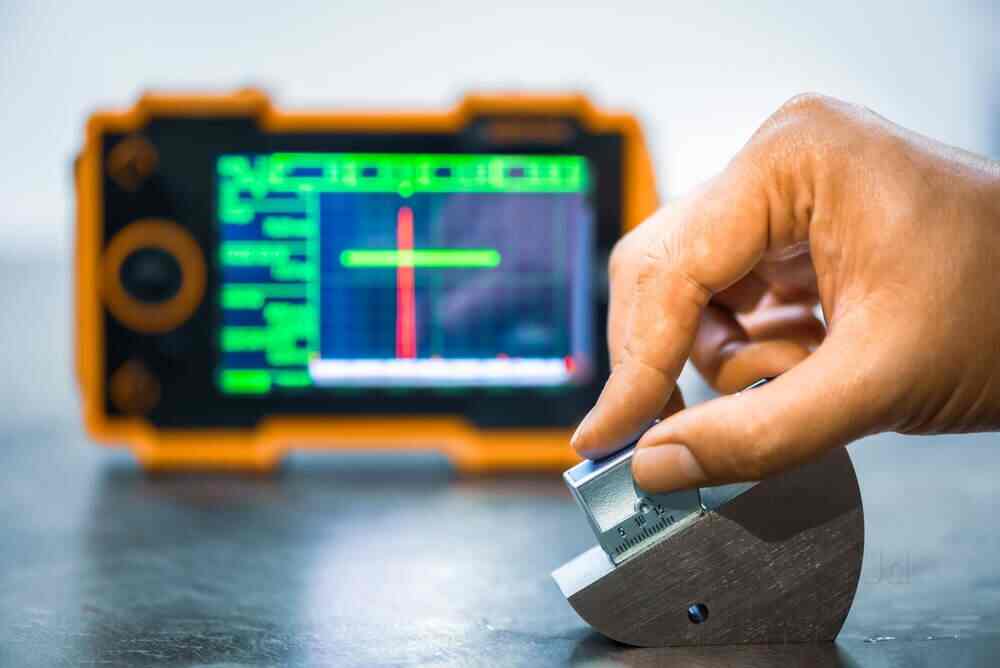
In the rapidly evolving world of technology, synchronization trends in AI powered inspections are making significant waves. These advancements are not only transforming the way inspections are conducted but also enhancing the efficiency and accuracy of these processes. As Industry QA Professionals, understanding these trends is crucial to staying ahead in the field.
With the integration of artificial intelligence into inspection processes, synchronization is becoming more seamless and efficient. The ability to synchronize data across various platforms and devices allows for more comprehensive inspections and faster decision-making. This article delves into the latest trends in synchronization in AI-powered inspections and what they mean for the industry.
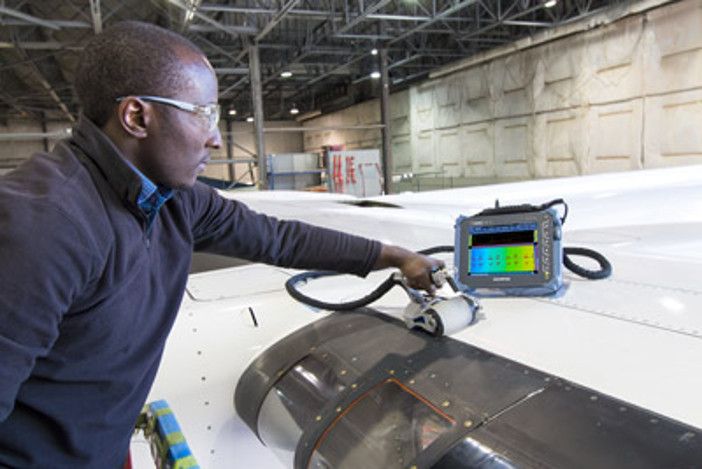
The Evolution of AI in Inspections
The journey of AI in inspections has been remarkable. From basic automation to advanced AI-driven systems, the evolution has been rapid and transformative. The integration of AI has enabled more precise and detailed inspections, reducing the margin for human error significantly.
How AI is Revolutionizing Inspections
AI’s ability to process and analyze vast amounts of data quickly is one of its most significant advantages. This capability allows for the detection of minute defects that might be missed by human inspectors. Moreover, AI systems can work continuously without fatigue, ensuring consistent quality in inspections.
The Role of Synchronization in AI Inspections
Synchronization is pivotal in AI inspections. It allows for the integration of data from multiple sources, providing a holistic view of the inspection process. This integration is essential for making informed decisions and ensuring that all aspects of the inspection are covered comprehensively.
Key Synchronization Trends in AI Inspections
Several key trends are emerging in the field of AI-powered inspections. These trends are shaping the future of inspections and are crucial for Industry QA Professionals to understand.
Real-Time Data Synchronization
Real-time data synchronization is becoming increasingly important in inspections. The ability to access and analyze data in real-time allows for immediate decision-making and corrective actions. This trend is particularly beneficial in industries where timely decisions are critical.
Integration with IoT Devices
The integration of AI inspections with Internet of Things (IoT) devices is another significant trend. IoT devices can provide real-time data from various sources, enhancing the accuracy and efficiency of inspections. This integration allows for a more comprehensive analysis of the inspection data.
Cloud-Based Synchronization
Cloud-based synchronization is gaining popularity in AI inspections. It allows for the storage and access of inspection data from anywhere, facilitating remote inspections and collaborative decision-making. This trend is particularly beneficial in the current global scenario, where remote work is becoming the norm.
Challenges in Synchronization
Despite the numerous advantages, synchronization in AI inspections also presents certain challenges. These challenges need to be addressed to fully realize the potential of AI in inspections.
Data Security Concerns
With the increased reliance on cloud-based synchronization, data security is a significant concern. Ensuring the security and privacy of inspection data is crucial to maintaining the integrity of the inspection process.
Integration Complexities
Integrating AI systems with existing inspection processes and IoT devices can be complex. This integration requires careful planning and execution to ensure that all systems work seamlessly together.
The Future of AI Powered Inspections
The future of AI-powered inspections looks promising. With continuous advancements in technology, the potential for more efficient and accurate inspections is immense.
Advancements in AI Technology
As AI technology continues to advance, we can expect more sophisticated inspection systems. These systems will be able to handle more complex inspections, providing even greater accuracy and efficiency.
Increased Adoption of AI Inspections
As the benefits of AI-powered inspections become more apparent, we can expect increased adoption across various industries. This adoption will drive further advancements and innovations in the field.
Conclusion
Synchronization trends in AI powered inspections are shaping the future of the industry. By understanding and embracing these trends, Industry QA Professionals can stay ahead of the curve and drive innovation in their field. As technology continues to evolve, the potential for AI in inspections is limitless.
FAQs
What are the benefits of AI-powered inspections?
AI-powered inspections offer numerous benefits, including increased accuracy, efficiency, and the ability to detect defects that might be missed by human inspectors. They also allow for real-time data analysis and decision-making.
How is synchronization important in AI inspections?
Synchronization is crucial in AI inspections as it allows for the integration of data from multiple sources. This integration provides a comprehensive view of the inspection process and facilitates informed decision-making.
What are the challenges in synchronizing AI inspections?
Some challenges in synchronizing AI inspections include data security concerns and integration complexities. These challenges need to be addressed to fully realize the potential of AI in inspections.
For more insights on inspection synchronization, visit synchronization testing and inspection frequency.
This article contains affiliate links. We may earn a commission at no extra cost to you.