
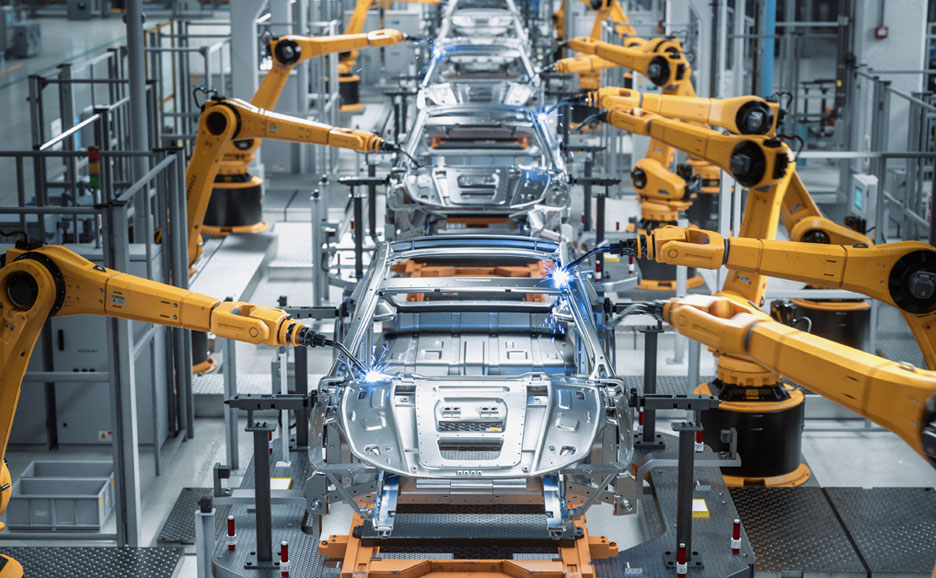
The manufacturing sector is undergoing rapid transformation as automation technologies become more advanced and accessible. Among these innovations, autonomous robots are playing a pivotal role in reshaping production lines, logistics, and quality control processes. For industry professionals and business leaders, gaining a solid grasp of how these intelligent machines operate—and the impact they have on efficiency and competitiveness—is essential.
This article provides a practical overview of how autonomous robotics are integrated into modern manufacturing environments. We’ll cover the core technologies, real-world applications, benefits, and key considerations for implementation. If you’re looking to deepen your knowledge or prepare your facility for the next wave of smart automation, this guide offers clear, actionable insights.
For those interested in the broader context of digital transformation, our introduction to factory edge computing explores how edge technologies support smarter, more responsive manufacturing systems.
Key Concepts Behind Autonomous Robotics in Factories
At its core, an autonomous robot is a machine capable of performing tasks without direct human intervention. In manufacturing, these systems leverage a combination of sensors, artificial intelligence, and connectivity to navigate, make decisions, and adapt to changing conditions on the factory floor.
- Sensors and Perception: Robots use cameras, lidar, ultrasonic sensors, and other devices to perceive their environment in real time.
- Decision-Making Algorithms: Embedded AI and machine learning models allow robots to interpret sensor data, plan actions, and respond to unexpected obstacles or changes.
- Connectivity: Integration with factory networks enables robots to receive instructions, report status, and coordinate with other systems.
These technologies are the foundation for a new generation of manufacturing solutions, enabling greater flexibility and productivity.
How Smart Robots Are Transforming Production Lines
The deployment of autonomous machines is not limited to a single application. In fact, their versatility is one of their greatest strengths. Here are some common ways these robots are making a difference:
- Material Handling: Automated guided vehicles (AGVs) and autonomous mobile robots (AMRs) transport raw materials and finished goods across facilities, reducing manual labor and minimizing errors.
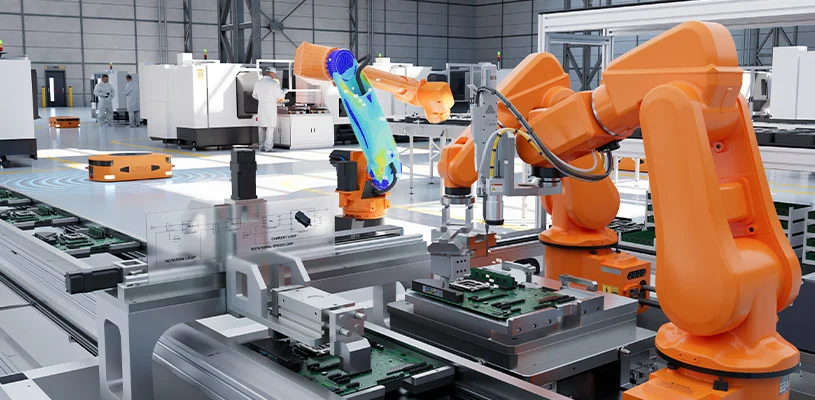
- Assembly and Inspection: Collaborative robots, or cobots, work alongside human operators to assemble products, perform repetitive tasks, and conduct real-time quality checks.
- Warehouse Automation: Robotic systems streamline inventory management, picking, and packing, increasing throughput and accuracy.
These capabilities are central to the evolution of the smart factory model, where interconnected systems drive continuous improvement and adaptability.
Benefits of Integrating Autonomous Robotics in Manufacturing
The adoption of autonomous systems brings a range of tangible benefits to manufacturers. Some of the most significant advantages include:
- Increased Productivity: Robots can operate continuously, reducing downtime and accelerating production cycles.
- Improved Quality: Consistent, precise execution of tasks minimizes defects and enhances product reliability.
- Enhanced Safety: By taking on hazardous or repetitive tasks, robots help protect human workers from injury.
- Cost Savings: Automation reduces labor costs and waste, delivering long-term savings and faster return on investment.
- Scalability: Flexible robotic systems can be reprogrammed or redeployed to accommodate new products or changes in demand.
These advantages are especially relevant in highly competitive markets, where efficiency and adaptability are critical for success.
Challenges and Considerations for Deploying Autonomous Machines
While the benefits are substantial, integrating autonomous robots into manufacturing environments also presents unique challenges. Companies should consider the following factors:
- Initial Investment: The upfront cost of advanced robotics can be significant, though it is often offset by long-term gains.
- Workforce Adaptation: Employees may require training to work effectively alongside robots and to manage new systems.
- System Integration: Ensuring compatibility with existing equipment, software, and workflows is essential for smooth operation.
- Cybersecurity: As robots become more connected, protecting them from cyber threats is increasingly important. For best practices, see our article on factory cybersecurity best practices.
- Maintenance and Support: Ongoing technical support and preventive maintenance are necessary to maximize uptime and performance.
Addressing these challenges requires careful planning, cross-functional collaboration, and a commitment to continuous improvement.
Steps to Implement Autonomous Robotics in Your Facility
For organizations ready to embrace smart automation, a structured approach is key to successful deployment. Here are the essential steps:
- Assess Current Processes: Identify repetitive, hazardous, or high-precision tasks that could benefit from automation.
- Set Clear Objectives: Define measurable goals, such as increased throughput, reduced defects, or improved safety.
- Evaluate Technology Options: Research available robotic solutions and select those that align with your requirements and budget.
- Plan Integration: Develop a roadmap for integrating robots with existing systems, including IT infrastructure and production workflows.
- Train Staff: Provide training for operators, maintenance personnel, and managers to ensure smooth adoption.
- Monitor and Optimize: Continuously track performance metrics and refine processes to maximize value.
For a deeper dive into how data and analytics can further optimize your operations, see our guide on how machine learning optimizes production.
Future Trends in Autonomous Manufacturing Systems
The evolution of robotics in manufacturing is far from over. Several trends are shaping the next generation of smart factories:
- Increased Use of AI: Advanced artificial intelligence will enable robots to handle more complex tasks and adapt to dynamic environments.
- Greater Collaboration: Human-robot collaboration will become more seamless, with cobots taking on a wider range of roles.
- Edge and Cloud Integration: Combining robotics with edge and cloud computing will enhance data processing, decision-making, and system scalability. To learn more, explore our article on how cloud computing helps factories.
- Digital Twins: Virtual replicas of manufacturing systems will be used to simulate, test, and optimize robotic workflows before deployment.
Staying informed about these developments will help manufacturers remain competitive and agile in a rapidly changing landscape.
Frequently Asked Questions
What distinguishes autonomous robots from traditional industrial robots?
Traditional industrial robots typically follow pre-programmed instructions and operate in fixed environments. In contrast, autonomous robots use sensors and AI to perceive their surroundings, make decisions in real time, and adapt to changing conditions without direct human control.
How do autonomous robots improve workplace safety?
By taking on dangerous or repetitive tasks, autonomous systems reduce the risk of injury for human workers. They can also detect hazards and respond quickly to prevent accidents, contributing to a safer manufacturing environment.
Are autonomous robots suitable for small and medium-sized manufacturers?
Yes, advances in technology and decreasing costs have made autonomous robotics accessible to businesses of all sizes. Many solutions are modular and scalable, allowing smaller manufacturers to start with targeted applications and expand as needed.