
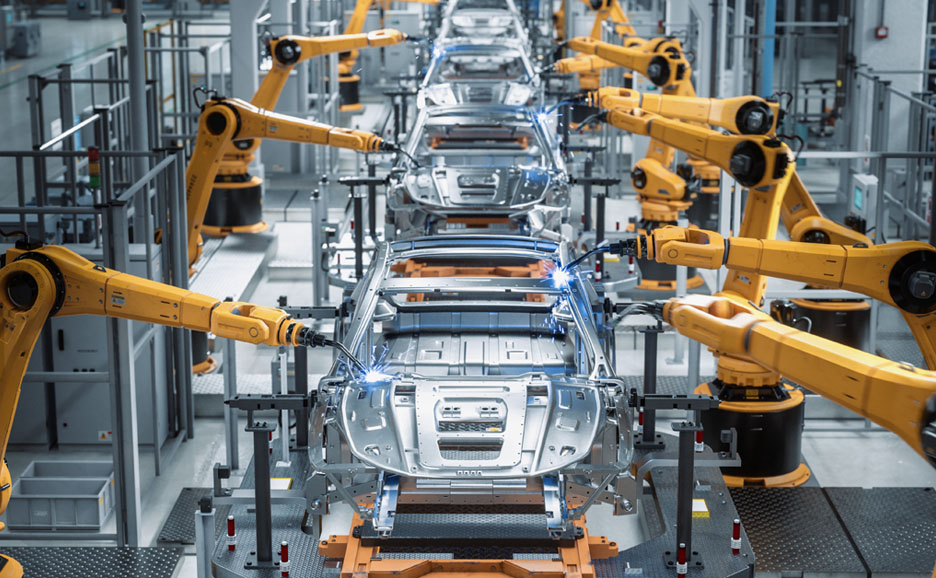
The manufacturing sector has seen remarkable changes in recent years, largely due to the adoption of advanced automation technologies. As businesses strive to improve efficiency, reduce costs, and maintain high-quality standards, the need for a clear understanding of factory automation systems has never been greater. These systems integrate machinery, software, and data analytics to streamline production, minimize errors, and enable real-time decision-making.
Whether you’re an operations manager, engineer, or simply interested in modern manufacturing, gaining insight into automated processes is essential. This article provides a practical overview of the components, benefits, and implementation strategies for automated production environments. For those interested in related topics, you can also explore factory data analytics for beginners to see how data-driven insights complement automation.
Key Elements of Automated Manufacturing
At its core, a modern automated factory relies on a combination of hardware and software to perform repetitive or complex tasks with minimal human intervention. The main elements include:
- Programmable Logic Controllers (PLCs): These industrial computers control machinery and processes, executing instructions based on input from sensors and user-defined programs.
- Robotics: Automated arms and mobile robots handle tasks such as assembly, welding, painting, and material transport, boosting productivity and safety.
- Sensors and Actuators: Sensors collect real-time data (temperature, pressure, position, etc.), while actuators convert electronic signals into mechanical movement.
- Human-Machine Interfaces (HMIs): These interfaces allow operators to monitor, control, and troubleshoot systems efficiently.
- Industrial Networks: Communication protocols and networks (like Ethernet/IP, PROFINET, or wireless solutions) connect devices, enabling seamless data exchange across the facility.
By integrating these components, manufacturers can create a cohesive system that supports both automated and manual operations. For a deeper dive into how robotics are transforming production, see the article on importance of robotics in manufacturing.
Types of Factory Automation Solutions
There are several approaches to automating manufacturing environments, each suited to different production needs and scales. Understanding these categories helps organizations choose the right solution:
- Fixed (Hard) Automation: Designed for high-volume, low-variation production, such as automotive assembly lines. Equipment is configured for specific tasks and is not easily reprogrammable.
- Programmable Automation: Used for batch production, where machinery can be reprogrammed for different products. This approach offers more flexibility than fixed automation.
- Flexible (Soft) Automation: Highly adaptable systems that can switch between product types with minimal downtime. Ideal for manufacturers with varied product lines or frequent changeovers.
The choice between these types depends on factors like production volume, product diversity, and investment capacity. Many modern facilities are moving toward flexible automation to stay competitive in dynamic markets.

Benefits of Implementing Automated Systems
The adoption of automated solutions in factories brings a range of advantages. Here are some of the most significant benefits:
- Increased Productivity: Machines can operate continuously, reducing downtime and increasing output.
- Enhanced Quality Control: Automation minimizes human error, ensuring consistent product quality and traceability.
- Cost Savings: Although the initial investment can be high, long-term savings are realized through reduced labor costs, lower waste, and optimized resource use.
- Improved Safety: Dangerous or repetitive tasks can be handled by machines, reducing workplace injuries.
- Data-Driven Decisions: Real-time monitoring and analytics enable proactive maintenance and process optimization. For more on this, see predictive maintenance in factories explained.
These advantages make automation a strategic priority for manufacturers aiming to stay competitive and resilient.
How to Get Started with Automation in Manufacturing
Transitioning to an automated production environment can seem daunting, but a structured approach helps ensure success. Here are the key steps:
- Assess Current Processes: Identify repetitive, time-consuming, or error-prone tasks that could benefit from automation.
- Set Clear Objectives: Define what you hope to achieve—higher throughput, better quality, lower costs, or improved safety.
- Evaluate Technology Options: Research available solutions, considering both hardware (robots, sensors) and software (control systems, analytics).
- Plan Integration: Develop a roadmap for integrating new systems with existing infrastructure. Consider starting with a pilot project to minimize risk.
- Train Staff: Equip your team with the skills needed to operate, maintain, and troubleshoot automated equipment.
- Monitor and Optimize: Use data from sensors and control systems to continually refine processes and maximize return on investment.
Consulting with automation specialists and learning from industry peers can also accelerate the transition. For insights into how sensors contribute to efficiency, check out how sensors improve factory efficiency.
Smart Factories and the Future of Automation
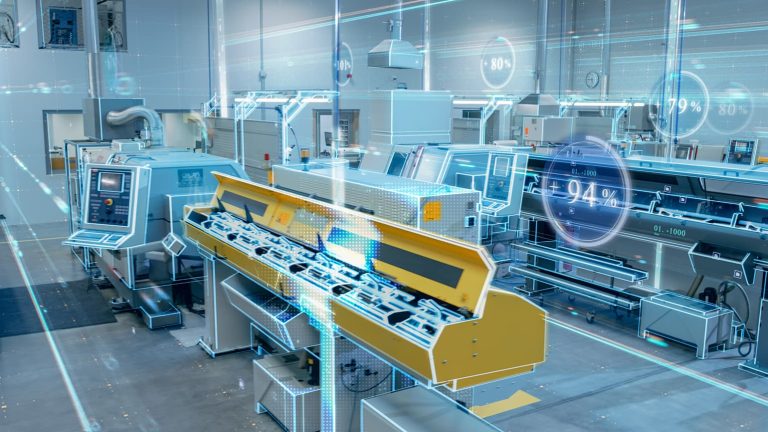
The evolution of manufacturing is closely linked to the rise of smart factories—facilities that leverage digital technologies, connectivity, and artificial intelligence to optimize every aspect of production. These environments go beyond traditional automation by integrating systems for predictive maintenance, digital twins, and real-time analytics.
For a comprehensive explanation of what defines a smart factory, visit this detailed overview of smart factory concepts. As more manufacturers embrace these innovations, the line between physical and digital operations continues to blur, enabling unprecedented levels of agility and customization.
Artificial intelligence is also playing a growing role in manufacturing. To learn more about its applications, see the article on how AI is used in manufacturing.
Common Challenges and Solutions in Automation Projects
While the benefits of automation are clear, implementing these systems is not without challenges. Some common obstacles include:
- High Initial Investment: The upfront cost of equipment and integration can be significant, but careful planning and phased implementation can help manage expenses.
- Integration with Legacy Systems: Older machinery may not be compatible with modern automation solutions. Retrofitting or gradual upgrades can bridge this gap.
- Workforce Adaptation: Employees may need new skills to work alongside automated systems. Ongoing training and clear communication are essential.
- Cybersecurity Risks: Increased connectivity can expose factories to cyber threats. Implementing robust security protocols is critical.
Addressing these challenges early in the planning process helps ensure a smooth transition and maximizes the value of automation investments.
FAQ: Factory Automation Explained
What Is the Main Purpose of Factory Automation?
The primary goal is to increase efficiency, consistency, and safety in manufacturing by using technology to perform tasks that would otherwise require manual labor. Automation helps reduce errors, speed up production, and lower operational costs.
How Do Automated Systems Impact Workforce Requirements?
While automation can reduce the need for manual labor in repetitive or hazardous tasks, it also creates demand for skilled workers who can manage, maintain, and optimize automated equipment. Upskilling and training are important for workforce adaptation.
Are Automated Factories More Sustainable?
Yes, automated systems can contribute to sustainability by optimizing resource use, minimizing waste, and enabling energy-efficient operations. Real-time monitoring allows for continuous improvement in environmental performance.