
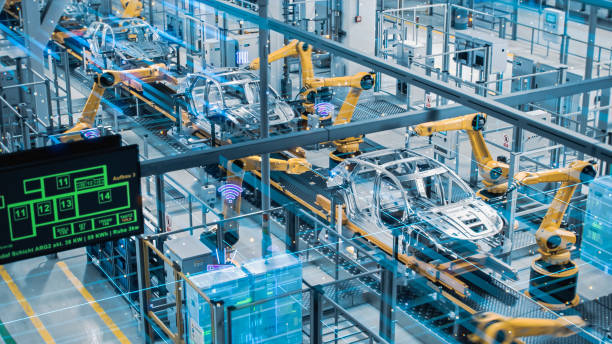
Modern manufacturing is undergoing rapid transformation, driven by the integration of advanced technologies on the factory floor. Among the most impactful innovations are sensors, which play a pivotal role in optimizing operations, reducing downtime, and enhancing productivity. Understanding how sensors improve factory efficiency is essential for any organization aiming to stay competitive in an increasingly automated and data-driven environment.
By collecting real-time data from equipment, materials, and environmental conditions, sensors enable factories to make smarter decisions, automate processes, and proactively address issues before they escalate. This guide explores the practical ways sensors contribute to operational excellence, the types of sensors commonly used, and best practices for leveraging sensor data for continuous improvement.
For those new to the concept of connected manufacturing, learning about what is a smart factory can provide valuable context on how digitalization and sensor networks work together to create agile, responsive production environments.
Key Ways Sensors Drive Manufacturing Productivity
The integration of sensors into manufacturing processes brings a host of measurable benefits. Here are several core areas where sensor technology directly contributes to improved efficiency:
- Real-Time Monitoring: Sensors continuously track machine performance, temperature, humidity, vibration, and other critical parameters. This allows operators to spot anomalies instantly and take corrective action before minor issues become major disruptions.
- Predictive Maintenance: By analyzing sensor data, factories can anticipate equipment failures and schedule maintenance proactively. This approach minimizes unplanned downtime and extends the lifespan of machinery.
- Process Optimization: Sensor feedback enables automatic adjustments to production lines, ensuring optimal speed, quality, and resource usage. This reduces waste and maximizes throughput.
- Quality Assurance: Sensors detect defects or deviations in products as they move through the line, supporting immediate intervention and consistent output quality.
- Energy Management: Monitoring energy consumption at a granular level helps identify inefficiencies and optimize power usage, resulting in cost savings and a smaller environmental footprint.
Types of Sensors Used in Modern Factories
The choice of sensor depends on the specific application and the data required. Common sensor types found in manufacturing environments include:
- Temperature Sensors: Monitor heat levels in machines, ovens, and storage areas to prevent overheating or spoilage.
- Proximity Sensors: Detect the presence or absence of objects, ensuring correct positioning of parts and safe operation of robotic arms.
- Vibration Sensors: Identify abnormal vibrations that may indicate mechanical wear or imbalance in rotating equipment.
- Pressure Sensors: Measure fluid or air pressure in hydraulic and pneumatic systems to maintain safe and efficient operation.
- Optical Sensors: Used for barcode scanning, product counting, and quality inspection.
- Humidity Sensors: Track moisture levels in sensitive production environments, such as electronics or pharmaceuticals.
Integrating Sensors for Smarter Factory Operations
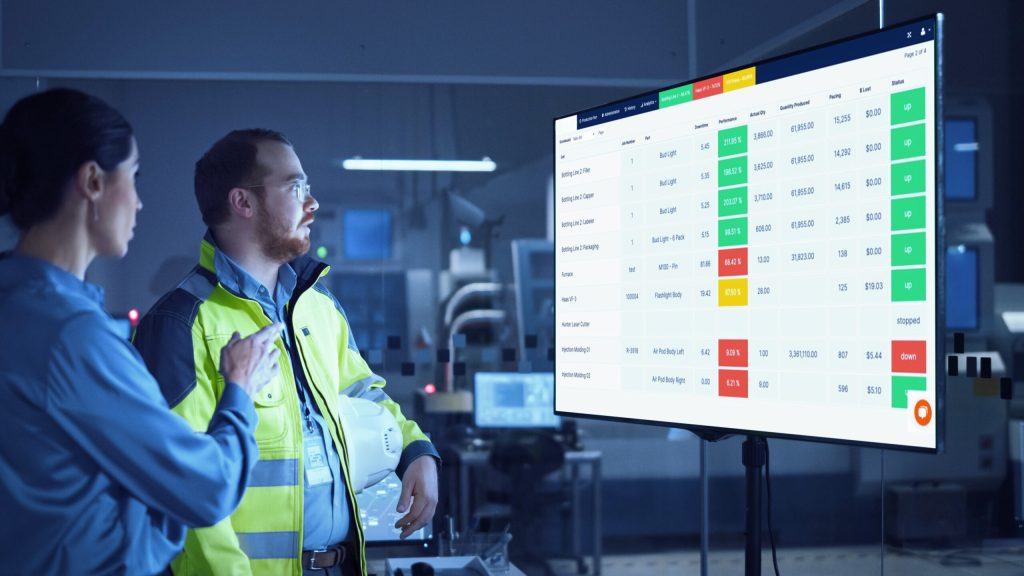
Deploying sensors is just the first step. To unlock their full potential, factories must integrate sensor data with automation systems, analytics platforms, and decision-making processes. This approach is central to the concept of the Industrial Internet of Things (IIoT), where machines, sensors, and software work together to create a connected ecosystem.
For a deeper understanding of how IIoT applications are transforming manufacturing, see our introduction to industrial IoT.
Key integration strategies include:
- Centralized Data Collection: Aggregating sensor data in a central platform enables holistic monitoring and analysis across the entire facility.
- Automated Alerts and Responses: Setting up automated triggers based on sensor thresholds allows immediate action, such as shutting down equipment or notifying maintenance teams.
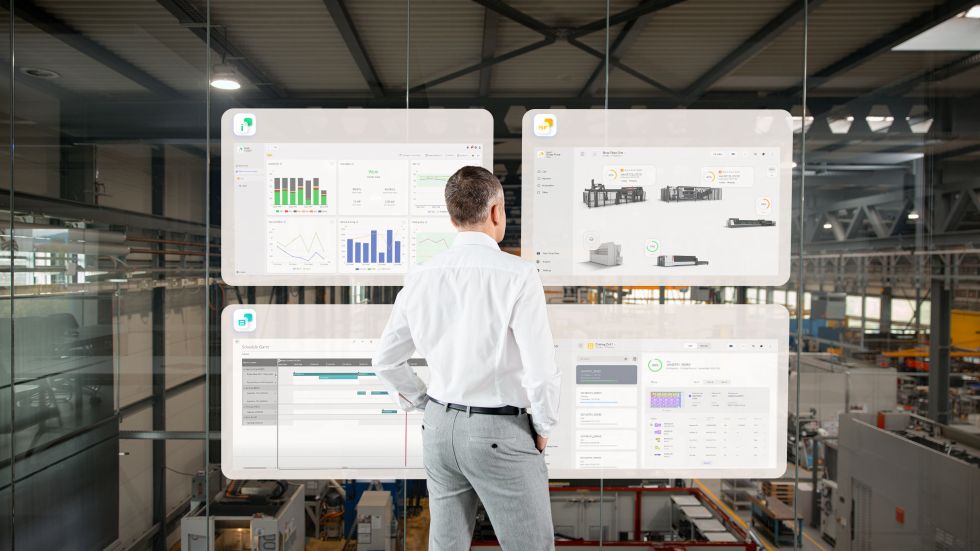
- Data Visualization: Dashboards and visual analytics tools help managers and operators quickly interpret sensor data and identify trends or outliers.
- Continuous Improvement: Historical sensor data supports root cause analysis and process optimization initiatives, driving ongoing efficiency gains.
Real-World Benefits of Sensor-Driven Efficiency
Companies that embrace sensor technology report significant improvements in several areas:
- Reduced Downtime: Predictive maintenance and real-time monitoring minimize unexpected stoppages.
- Higher Product Quality: Immediate detection of defects ensures only products meeting specifications reach customers.
- Lower Operating Costs: Optimized energy use and reduced waste translate into direct savings.
- Enhanced Safety: Sensors can detect hazardous conditions, protecting workers and equipment.
- Faster Decision-Making: Access to accurate, up-to-date information empowers teams to act quickly and confidently.
For a comprehensive look at the broader advantages of automation, explore the benefits of factory automation and how it improves productivity.
Challenges and Best Practices for Sensor Deployment
While the advantages of sensor adoption are clear, successful implementation requires careful planning. Some common challenges include:
- Data Overload: Collecting vast amounts of sensor data can overwhelm systems if not managed properly. Prioritize actionable insights and filter out noise.
- Integration Complexity: Connecting sensors to legacy equipment or disparate IT systems may require custom solutions.
- Cybersecurity Risks: As more devices connect to networks, robust security measures are essential to protect sensitive data and operations.
- Maintenance and Calibration: Sensors themselves need regular checks to ensure accuracy and reliability.
To address these challenges, manufacturers should:
- Start with clear objectives for sensor deployment and define key performance indicators (KPIs).
- Choose sensors that are compatible with existing infrastructure and scalable for future needs.
- Invest in secure, cloud-based platforms for data aggregation and analysis.
- Train staff on interpreting sensor data and responding to alerts.
- Schedule routine sensor maintenance and calibration.
For more on the digital transformation of manufacturing, see how Industry 4.0 is transforming manufacturing and driving the adoption of sensor-based solutions.
Expanding the Role of Sensors with Advanced Technologies
As factories evolve, the role of sensors is expanding beyond basic monitoring. Integration with artificial intelligence (AI), machine learning, and digital twin technology enables even greater levels of automation and insight.
For example, AI-powered analytics can detect subtle patterns in sensor data that human operators might miss, leading to faster problem resolution and continuous process improvement. Digital twins—virtual replicas of physical assets—rely on real-time sensor input to simulate, test, and optimize factory operations without disrupting actual production.
To learn more about this emerging field, explore our guide on understanding digital twin technology in factories.
For a broader industry perspective, discover how smart factories leverage sensor networks and automation to achieve unprecedented levels of efficiency and flexibility.
Frequently Asked Questions
What are the most important sensors for improving factory performance?
The most impactful sensors typically include temperature, vibration, proximity, and pressure sensors. These devices provide critical data for monitoring equipment health, ensuring product quality, and maintaining safe working conditions. The specific choice depends on the factory’s processes and operational goals.
How do sensors reduce downtime in manufacturing?
Sensors enable predictive maintenance by continuously monitoring machine conditions. When they detect signs of wear or potential failure, maintenance teams can intervene before a breakdown occurs, significantly reducing unexpected downtime and associated costs.
Can small and medium-sized factories benefit from sensor technology?
Absolutely. Advances in sensor affordability and wireless connectivity mean that even smaller operations can implement sensor-based monitoring and automation. Starting with a focused pilot project can help demonstrate value and justify further investment.