

As manufacturing environments become more complex and competitive, digital tools are essential for optimizing production and reducing costs. Factory simulation software has emerged as a powerful solution, enabling organizations to model, analyze, and improve their operations in a virtual environment before making real-world changes. This guide offers a comprehensive overview of these simulation tools, their benefits, and how they are transforming modern manufacturing.
By leveraging advanced modeling techniques, simulation platforms allow engineers and managers to experiment with layouts, workflows, and resource allocations. This not only minimizes risk but also accelerates innovation and supports data-driven decision-making. For those interested in related technologies, our article on introduction to factory edge computing explores how edge devices complement digital factory initiatives.
What Is Factory Simulation Software?
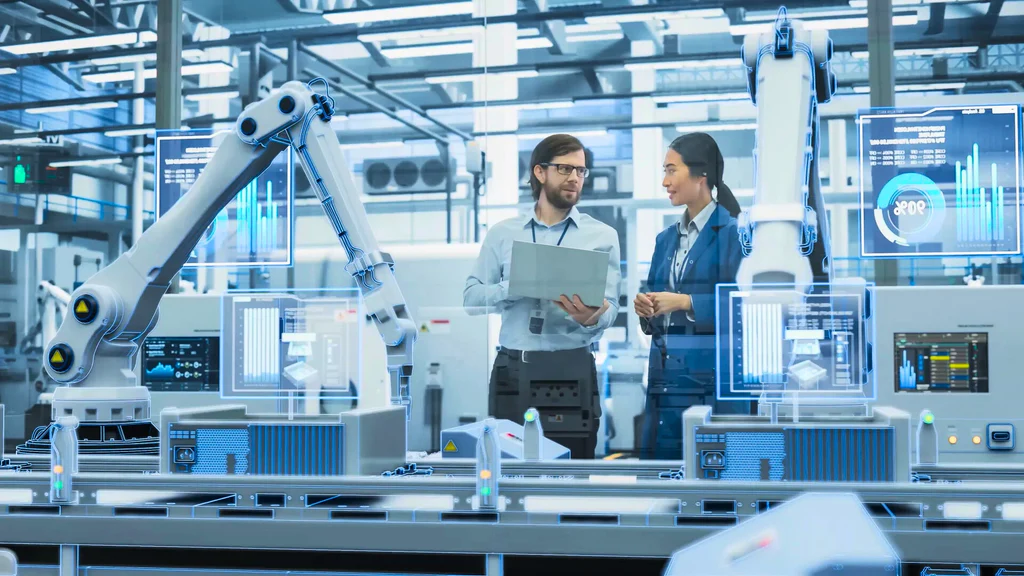
At its core, factory simulation software is a digital tool that creates a virtual representation of a manufacturing facility. This digital twin can include machines, conveyors, workers, storage systems, and even the flow of materials and products. By simulating these elements, users can visualize how changes in one area might impact the entire operation.
These platforms use mathematical models and discrete event simulation to mimic real-world processes. Users can adjust variables—such as machine speed, staffing levels, or production schedules—and instantly see the effects. This makes it possible to identify bottlenecks, test new layouts, and optimize production without disrupting ongoing operations.
Key Features and Capabilities
Modern simulation tools offer a wide range of features designed to support both simple and highly complex manufacturing environments. Some of the most important capabilities include:
- 3D Visualization: Many platforms provide immersive 3D models that help users better understand spatial relationships and process flows.
- Scenario Analysis: Users can create and compare multiple “what-if” scenarios to evaluate the impact of different decisions.
- Data Integration: Advanced solutions connect with real-time factory data, ERP systems, or IoT devices for more accurate modeling.
- Resource Optimization: Algorithms help determine the best allocation of machines, workers, and materials to maximize efficiency.
- Reporting and Analytics: Built-in tools generate detailed reports, charts, and KPIs to support continuous improvement.
Benefits of Using Simulation Tools in Manufacturing
Adopting simulation software for factories offers a range of advantages that go beyond simple process visualization. Some of the most significant benefits include:
- Reduced Costs: By testing changes virtually, companies can avoid costly mistakes and minimize downtime.
- Faster Implementation: Simulation accelerates the design and deployment of new lines, layouts, or processes.
- Improved Productivity: Identifying and eliminating bottlenecks leads to more efficient operations and higher throughput.
- Enhanced Flexibility: Manufacturers can quickly adapt to changes in demand, supply chain disruptions, or new product introductions.
- Better Decision-Making: Data-driven insights enable managers to make informed choices with greater confidence.
For a deeper look at how digital transformation is reshaping production, see our resource on how machine learning optimizes production.
How Simulation Software Works in a Smart Factory
In a smart manufacturing environment, simulation tools are often integrated with other digital systems to create a holistic view of the factory. This integration allows for real-time monitoring, predictive analytics, and automated optimization. For example, a simulation platform might receive live data from sensors and adjust its models accordingly, providing up-to-date recommendations for process improvements.
The synergy between simulation, automation, and analytics is a key feature of the modern smart factory. To learn more about the broader concept, explore this comprehensive overview of smart factories.
Applications and Use Cases
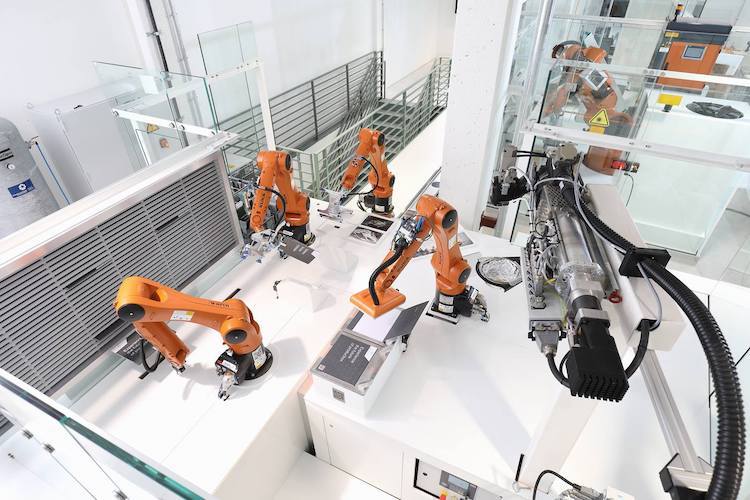
Simulation software is used across a wide variety of manufacturing sectors, from automotive and electronics to food processing and pharmaceuticals. Common applications include:
- Facility Layout Planning: Designing new plants or reconfiguring existing spaces for optimal flow and safety.
- Production Line Balancing: Ensuring that each workstation is properly utilized to avoid idle time or overloading.
- Inventory Management: Modeling storage and logistics to reduce waste and improve supply chain efficiency.
- Process Improvement: Testing lean manufacturing strategies or Six Sigma initiatives in a risk-free environment.
- Training and Education: Providing hands-on learning experiences for operators and engineers without disrupting live production.
For those interested in how these tools fit within broader automation strategies, our article on understanding factory automation systems offers additional context.
Choosing the Right Simulation Platform
Selecting the best simulation software depends on your facility’s size, complexity, and specific goals. Key considerations include:
- Ease of Use: Look for intuitive interfaces and strong documentation to reduce the learning curve.
- Integration Capabilities: Ensure compatibility with your existing ERP, MES, or IoT systems.
- Scalability: Choose a platform that can grow with your business and handle increasing data volumes.
- Support and Community: Access to responsive support and active user communities can be invaluable.
- Cost: Consider both upfront licensing fees and ongoing maintenance or subscription costs.
Security is another important factor, especially as factories become more connected. Learn about best practices in our guide to factory cybersecurity best practices.
Future Trends in Digital Factory Modeling
The future of factory simulation platforms is closely tied to advancements in artificial intelligence, machine learning, and cloud computing. As these technologies mature, expect simulation tools to become even more predictive, autonomous, and accessible.
Cloud-based solutions are making it easier for teams to collaborate remotely and scale their simulations as needed. Meanwhile, AI-powered analytics are helping manufacturers identify hidden patterns and opportunities for improvement. For more on how cloud technology is shaping manufacturing, see our article on how cloud computing helps factories.
Frequently Asked Questions
How does factory simulation software differ from traditional process modeling?
Unlike static process diagrams, simulation software creates dynamic, interactive models that can account for variability, randomness, and real-time data. This allows users to test scenarios and see the impact of changes before implementing them on the shop floor.
What skills are needed to use these simulation tools effectively?
While many platforms are designed for ease of use, a basic understanding of manufacturing processes, data analysis, and computer modeling is helpful. Some advanced features may require knowledge of programming or statistics, but most users can start with minimal training.
Can simulation software integrate with other factory systems?
Yes, most modern solutions offer integration with ERP, MES, and IoT platforms. This enables real-time data exchange, automated updates, and more accurate modeling of actual factory conditions.