
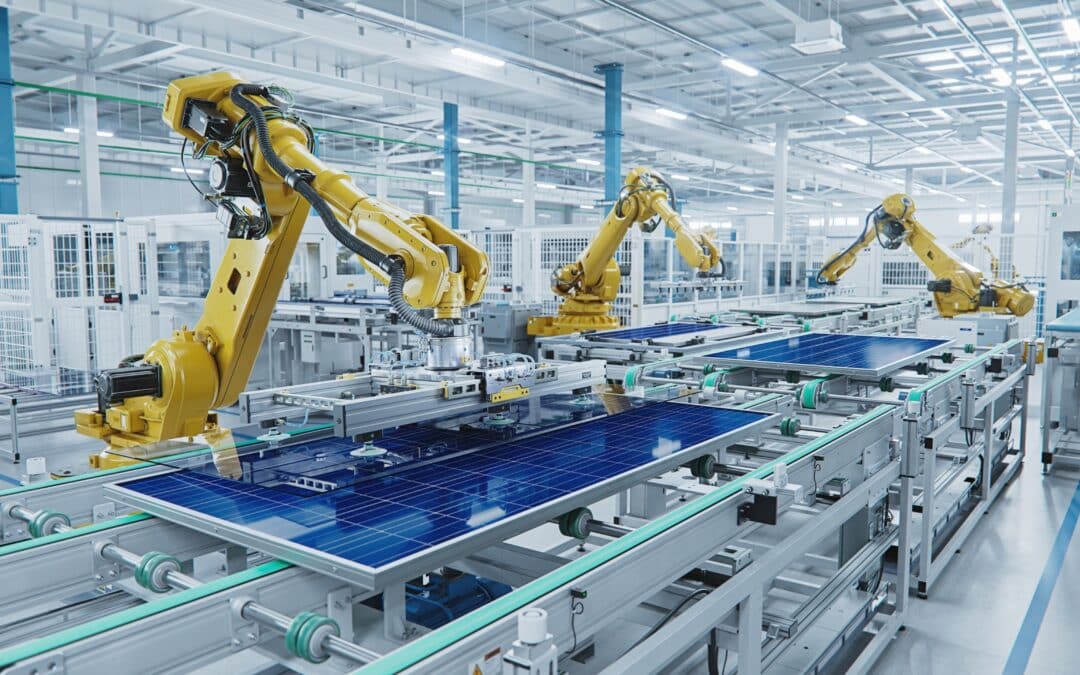
The integration of the Internet of Things (IoT) into manufacturing environments is transforming how supply chains operate. By connecting machines, assets, and systems, IoT enables real-time data collection and analysis, making it possible to optimize every stage of the supply process. For factories, this means improved efficiency, reduced costs, and greater flexibility in responding to market demands. Understanding how IoT improves supply chain in factories is essential for manufacturers aiming to stay competitive and resilient in a rapidly evolving industrial landscape.
As digital transformation accelerates, many manufacturers are exploring related technologies such as introduction to factory edge computing to further enhance their operations. In this article, we’ll explore the practical ways IoT is reshaping supply chain management, from inventory tracking to predictive maintenance, and provide actionable insights for factory leaders considering IoT adoption.
Key Benefits of IoT for Factory Supply Chains
Implementing IoT in manufacturing supply chains brings several measurable advantages. The most significant benefits include:
- Real-time visibility: IoT sensors and devices provide up-to-the-minute data on inventory levels, equipment status, and shipment locations.
- Predictive analytics: By analyzing sensor data, factories can anticipate equipment failures, optimize maintenance schedules, and reduce downtime.
- Enhanced traceability: IoT enables end-to-end tracking of materials and products, improving quality control and compliance.
- Process automation: Automated workflows reduce manual intervention, streamline operations, and minimize human error.
- Resource optimization: Data-driven insights help factories use materials, energy, and labor more efficiently.
These improvements not only cut costs but also enable manufacturers to respond quickly to disruptions and changing customer needs.
How IoT Enhances Inventory and Asset Tracking
One of the most impactful ways IoT improves supply chain in factories is through advanced inventory and asset tracking. Traditional inventory management often relies on periodic manual counts, which can be time-consuming and prone to errors. IoT-enabled solutions, such as RFID tags and smart sensors, automate this process by continuously monitoring the location and status of raw materials, components, and finished goods.
With real-time inventory data, factories can:
- Reduce stockouts and overstock situations
- Improve order fulfillment accuracy
- Minimize losses due to misplaced or stolen assets
- Streamline warehouse operations
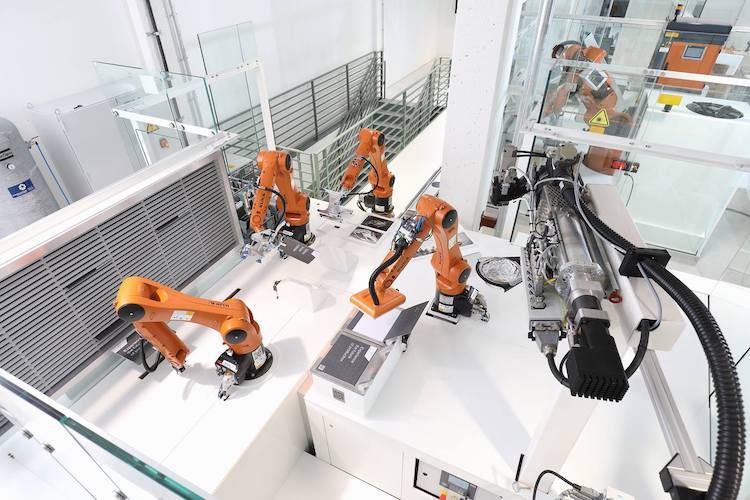
IoT-based tracking also supports compliance with industry regulations by providing detailed records of material movement and storage conditions. This level of transparency is particularly valuable in sectors such as food processing, pharmaceuticals, and electronics manufacturing.
Optimizing Production Scheduling and Workflow
IoT technologies enable factories to synchronize production schedules with real-time supply chain data. By integrating information from suppliers, logistics providers, and internal systems, manufacturers can adjust production plans dynamically based on material availability, equipment health, and demand forecasts.
For example, if an IoT sensor detects a delay in a critical shipment, the production line can automatically reschedule tasks or switch to alternative products, reducing idle time and bottlenecks. This level of agility is essential for maintaining high throughput and meeting customer expectations in today’s fast-paced markets.
Manufacturers looking to deepen their understanding of automation technologies can explore understanding factory automation systems for more context on how these systems integrate with IoT platforms.
Reducing Downtime with Predictive Maintenance
Equipment failures can cause significant disruptions in factory supply chains. IoT-powered predictive maintenance addresses this challenge by continuously monitoring machine performance and environmental conditions. Sensors collect data on vibration, temperature, pressure, and other parameters, which is then analyzed to identify patterns that indicate potential issues.
With predictive maintenance, factories can:
- Schedule repairs before breakdowns occur
- Extend equipment lifespan
- Reduce unplanned downtime
- Lower maintenance costs
These improvements contribute to a more reliable and resilient supply chain, ensuring that production targets are met and customer commitments are honored.
Improving Supplier Collaboration and Transparency
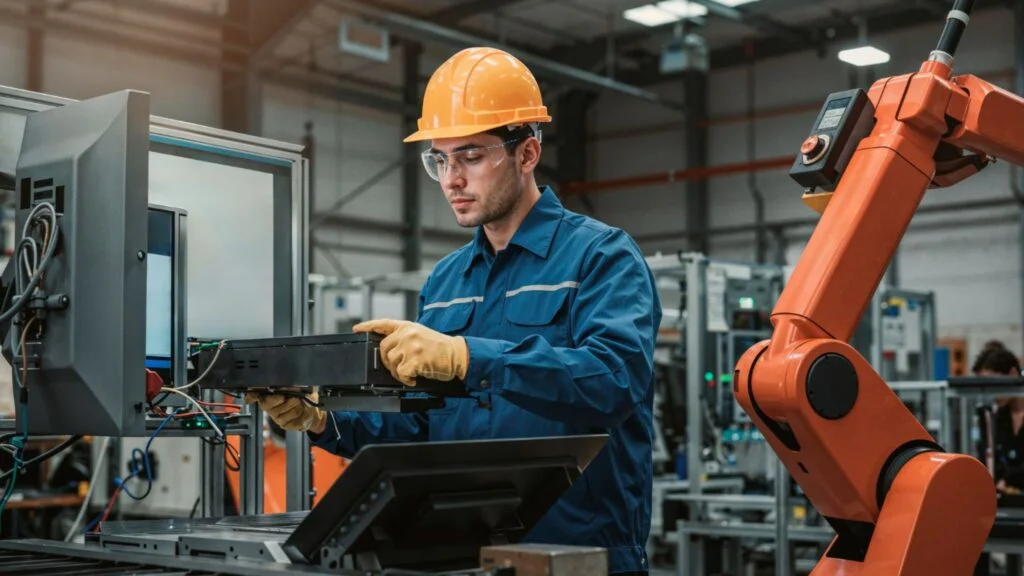
Modern supply chains depend on close coordination between factories and their suppliers. IoT streamlines this collaboration by providing shared access to real-time data on inventory levels, shipment status, and production forecasts. This transparency helps suppliers anticipate demand, reduce lead times, and minimize the risk of stockouts or excess inventory.
Additionally, IoT-enabled platforms can automate order processing, shipment tracking, and quality inspections, reducing administrative overhead and accelerating the flow of goods through the supply chain.
Strengthening Security and Compliance
As factories adopt more connected devices, cybersecurity becomes a critical concern. Protecting sensitive supply chain data from cyber threats requires robust security protocols and continuous monitoring. Manufacturers can benefit from best practices outlined in resources such as factory cybersecurity best practices to safeguard their IoT infrastructure.
IoT also supports compliance by generating detailed audit trails for every transaction and movement within the supply chain. This capability is especially important for industries subject to strict regulatory requirements.
Integrating IoT with Other Digital Technologies
The full potential of IoT in supply chain management is realized when it is integrated with other digital solutions. For instance, combining IoT with how machine learning optimizes production enables factories to automate decision-making and continuously improve processes based on data-driven insights.
Cloud computing also plays a vital role by providing scalable infrastructure for storing and analyzing the large volumes of data generated by IoT devices. Manufacturers interested in exploring these synergies can refer to how cloud computing helps factories for further information.
Getting Started with IoT in Factory Supply Chains
Adopting IoT in a factory environment involves several key steps:
- Assess current operations: Identify pain points and opportunities for improvement within the existing supply chain.
- Define clear objectives: Set measurable goals, such as reducing inventory costs or improving on-time delivery rates.
- Select the right technology: Choose IoT devices and platforms that align with operational needs and integrate with existing systems.
- Start small and scale: Begin with pilot projects to validate benefits before expanding IoT adoption across the factory.
- Invest in training: Equip staff with the skills needed to manage and maintain IoT solutions.
- Monitor and optimize: Continuously analyze data to refine processes and maximize return on investment.
For decision-makers seeking guidance on digital transformation, the smart factory boardroom infographic provides a useful overview of how to align technology initiatives with business strategy.
Frequently Asked Questions
What are the main challenges of implementing IoT in factory supply chains?
Common challenges include integrating IoT devices with legacy systems, ensuring data security, managing large volumes of data, and training staff to use new technologies. Careful planning and selecting scalable, secure solutions can help overcome these obstacles.
How does IoT help reduce costs in supply chain management?
IoT reduces costs by automating manual processes, minimizing downtime through predictive maintenance, optimizing inventory levels, and improving resource utilization. Real-time data enables factories to make informed decisions that prevent waste and inefficiency.
Can IoT improve sustainability in manufacturing supply chains?
Yes, IoT supports sustainability by enabling better tracking of resource consumption, reducing energy waste, and supporting circular economy practices such as asset reuse and recycling. Data-driven insights help factories minimize their environmental footprint.