
The evolution of manufacturing has been defined by the pursuit of greater speed, precision, and efficiency. Today, automated assembly lines are at the heart of this transformation, enabling factories to produce goods at a scale and quality that manual methods simply cannot match. Understanding how automated assembly lines work is essential for anyone interested in modern industry, whether you’re a factory manager, engineer, or simply curious about the technology shaping our world.
These advanced systems integrate robotics, sensors, software, and human oversight to streamline production. As factories become smarter and more connected, automation is no longer just about replacing manual labor—it’s about creating adaptable, data-driven environments that can respond to changing demands and optimize every step of the manufacturing process.
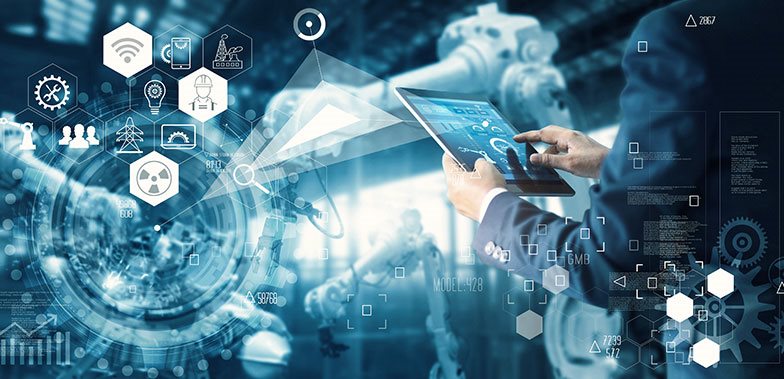
For those interested in the broader context of digital transformation in manufacturing, our introduction to factory edge computing explores how edge devices are enabling real-time data processing on the shop floor.
The Fundamentals of Automated Production Lines
At its core, an automated assembly line is a coordinated sequence of machines, robots, and control systems designed to assemble products with minimal human intervention. These lines are programmed to perform repetitive tasks such as welding, screwing, painting, or packaging, ensuring consistency and speed.
The main components typically include:
- Robotic arms for handling, assembling, and moving parts.
- Conveyor systems to transport materials between stations.
- Sensors and cameras for quality control and process monitoring.
- Programmable logic controllers (PLCs) to coordinate machine actions.
- Human-machine interfaces (HMIs) for operators to oversee and adjust operations.
The integration of these elements allows for a seamless flow of materials, reducing bottlenecks and minimizing errors. In many cases, assembly lines are designed for flexibility, allowing quick reconfiguration for different products or production volumes.
Key Technologies Behind Modern Automation
The sophistication of today’s assembly lines is driven by several technological advancements. Here’s a closer look at the most impactful innovations:
- Industrial robots: These machines can perform precise, repetitive tasks at high speed, often working alongside humans in collaborative environments.
- Machine vision systems: Cameras and image processing software inspect products in real time, catching defects early and ensuring quality.
- Internet of Things (IoT): Connected sensors and devices collect data throughout the line, enabling predictive maintenance and process optimization.
- Artificial intelligence (AI): AI algorithms analyze production data to identify inefficiencies, predict equipment failures, and suggest improvements.
- Edge computing: Processing data locally at the factory floor reduces latency and supports real-time decision-making.
For a deeper dive into how data and connectivity are reshaping production, see our guide on how machine learning optimizes production.
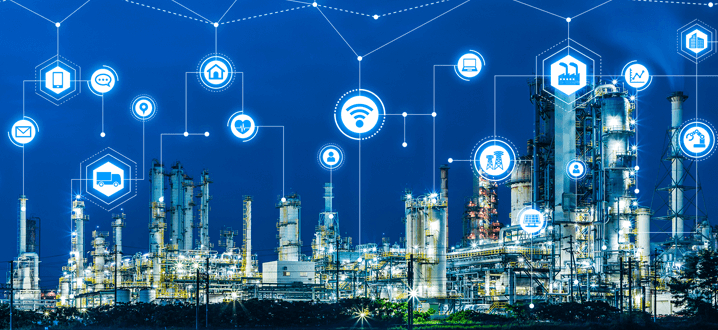
How Automated Assembly Lines Work Step by Step
To understand the workflow, let’s break down the typical stages of an automated production line:
- Material Loading: Raw materials or components are loaded onto the line, often by robotic arms or automated guided vehicles (AGVs).
- Assembly Operations: Each station along the line performs a specific task, such as fastening, soldering, or inserting components, with robots or specialized machines.
- Inspection and Quality Control: Sensors and machine vision systems check for defects, misalignments, or missing parts. If an issue is detected, the system can halt the line or divert the defective item.
- Packaging and Labeling: Finished products are automatically packaged, labeled, and prepared for shipment.
- Data Collection and Feedback: Throughout the process, data is gathered for performance monitoring, predictive maintenance, and continuous improvement.
The entire sequence is orchestrated by advanced control software, ensuring that each step is synchronized for maximum efficiency. Operators monitor the process via HMIs, intervening only when necessary.
Benefits of Automated Manufacturing Lines
The adoption of automated systems brings several advantages to manufacturers:
- Increased productivity: Machines operate around the clock, boosting output and reducing cycle times.
- Consistent quality: Automation eliminates human error, resulting in uniform products and fewer defects.
- Lower operational costs: While initial investment can be high, reduced labor and waste lead to long-term savings.
- Enhanced safety: Dangerous or repetitive tasks are handled by machines, minimizing workplace injuries.
- Scalability and flexibility: Modern lines can be reprogrammed for new products or changing demand with minimal downtime.
For more on the underlying systems that enable these benefits, our article on understanding factory automation systems provides a comprehensive overview.
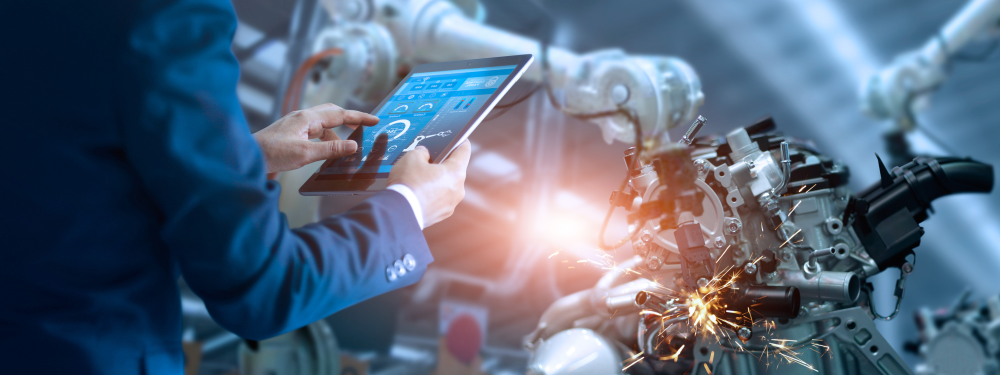
Challenges and Considerations in Automation
While the advantages are significant, implementing automated lines comes with challenges. High upfront costs, integration with legacy equipment, and the need for skilled personnel to manage and maintain systems are common hurdles. Cybersecurity is another critical concern, as connected machines can be vulnerable to digital threats. For practical advice on protecting your operations, see our guide to factory cybersecurity best practices.
Additionally, manufacturers must ensure that automation aligns with their production goals and workforce strategy. Training employees to work alongside advanced machinery and adapting to new workflows are essential for long-term success.
Smart Factories and the Future of Automated Production
The next generation of manufacturing is defined by the concept of the smart factory, where automation, connectivity, and data analytics converge. In these environments, assembly lines are not just automated but also intelligent—capable of self-optimizing, self-correcting, and adapting to real-time information.
Technologies such as digital twins, predictive analytics, and cloud-based management platforms are making it possible to simulate, monitor, and improve production from anywhere. For a broader perspective on these trends, explore how cloud computing helps factories operate smarter.
Leading manufacturers are already leveraging these advancements to reduce downtime, improve quality, and respond rapidly to market changes. The integration of AI-powered diagnostics, such as those available in advanced stroboscope systems, is further enhancing predictive maintenance and process optimization.
For a comprehensive overview of smart manufacturing and its impact, the smart factory and smart manufacturing resource from Oracle provides valuable insights into industry best practices and future directions.
FAQ: Automated Assembly Lines in Modern Manufacturing
What industries benefit most from automated assembly lines?
Automated lines are widely used in automotive, electronics, pharmaceuticals, food and beverage, and consumer goods manufacturing. Any industry that requires high-volume, consistent production can benefit from automation.
How do automated lines improve product quality?
By using precise robotics and real-time quality control systems, automated lines reduce human error and ensure every product meets strict specifications. Machine vision and sensors detect defects early, minimizing waste and rework.
Are automated assembly lines replacing human workers?
While automation reduces the need for manual labor in repetitive or hazardous tasks, it also creates new roles in programming, maintenance, and system oversight. Many factories adopt a collaborative approach, where humans and machines work together for optimal results.