
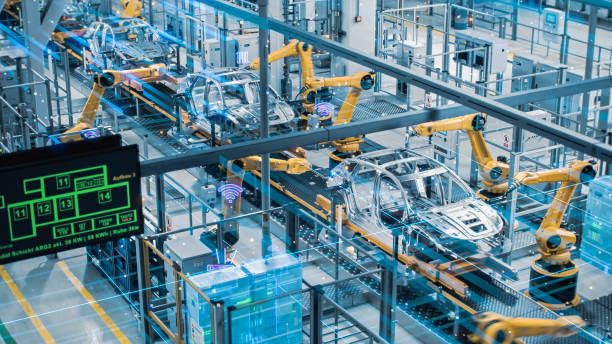
In today’s rapidly evolving industrial landscape, the importance of human-machine interfaces (HMIs) has grown significantly. These systems serve as the critical bridge between operators and complex machinery, enabling seamless communication, efficient process control, and enhanced safety. As factories embrace digitalization and automation, understanding how HMIs shape productivity and decision-making is essential for manufacturers aiming to stay competitive.
Modern production environments demand intuitive, reliable, and adaptable interfaces to manage everything from robotics to data analytics. By integrating advanced HMIs, organizations can streamline workflows, reduce errors, and empower their workforce to interact confidently with increasingly sophisticated equipment. For those interested in the foundational technologies driving these changes, our introduction to factory edge computing provides valuable context on the digital backbone supporting today’s smart factories.
Understanding Human-Machine Interfaces in Industrial Settings
At their core, HMIs are platforms—ranging from simple control panels to advanced touchscreens and mobile devices—that allow people to interact with machines. In manufacturing, these interfaces display real-time data, enable command input, and provide feedback on equipment status. The importance of human-machine interfaces lies in their ability to translate complex machine operations into accessible, actionable information for operators and engineers.
As factories become more automated, the role of HMIs expands beyond basic control. They now support diagnostics, remote monitoring, and integration with enterprise systems. This evolution is central to the concept of the smart factory, where digital tools and connectivity drive operational excellence. For a deeper dive into how these technologies are transforming inventory and production, see this comprehensive overview of smart factory trends.
Key Benefits of Modern HMIs for Manufacturing
The transition from analog controls to digital HMIs brings a host of advantages for manufacturers. Some of the most impactful benefits include:
- Improved Usability: Modern interfaces are designed with user experience in mind, reducing training time and minimizing operator errors.
- Real-Time Data Access: Operators can monitor machine performance, production rates, and system alerts instantly, enabling faster responses to issues.
- Enhanced Safety: HMIs can display safety warnings, lockout procedures, and emergency instructions, helping to prevent accidents and injuries.
- Remote Monitoring and Control: With networked HMIs, supervisors can oversee operations from anywhere, supporting flexible management and rapid troubleshooting.
- Seamless Integration: Advanced HMIs connect with other factory systems, such as MES and ERP platforms, ensuring data flows smoothly across the organization.
How HMIs Enhance Productivity and Decision-Making
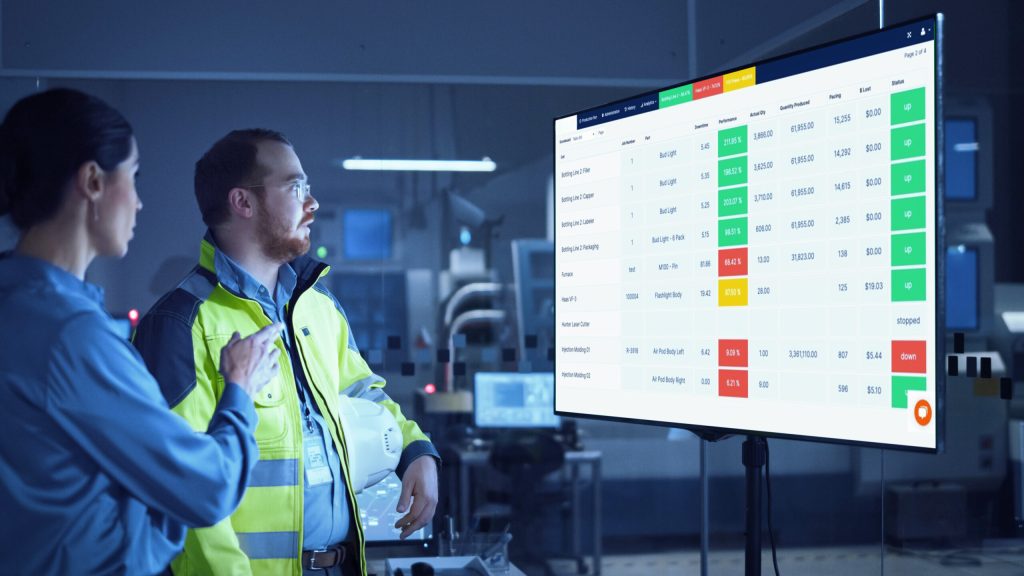
The ability to visualize and interact with production data in real time is a game-changer for manufacturing efficiency. HMIs empower operators to identify bottlenecks, monitor equipment health, and adjust parameters on the fly. This agility translates to reduced downtime, higher throughput, and more consistent product quality.
Furthermore, by aggregating data from multiple machines, HMIs provide supervisors and engineers with a holistic view of the production floor. This visibility supports proactive maintenance, resource optimization, and informed decision-making. For example, when paired with machine learning solutions, HMIs can help predict failures before they occur, further minimizing disruptions.
Design Principles for Effective Human-Machine Interfaces
To maximize the value of HMIs, manufacturers should focus on several key design principles:
- Simplicity: The interface should present only relevant information, using clear layouts and intuitive navigation.
- Consistency: Standardized symbols, colors, and controls reduce confusion and speed up operator adaptation.
- Responsiveness: Fast, reliable feedback ensures users can trust the system and react promptly to changes.
- Accessibility: Interfaces must be usable by all staff, including those with varying levels of technical expertise or physical abilities.
- Customization: Allowing users to tailor dashboards and alerts to their roles enhances engagement and effectiveness.
These principles are especially important as manufacturing environments grow more complex. A well-designed HMI not only boosts productivity but also fosters a safer, more satisfying workplace.
Challenges and Future Trends in Human-Machine Interaction
While the importance of human-machine interfaces is clear, implementing and maintaining these systems comes with challenges. Cybersecurity is a growing concern, as connected HMIs can become entry points for unauthorized access. Regular updates and best practices, such as those outlined in our factory cybersecurity best practices, are essential to safeguard sensitive operations.
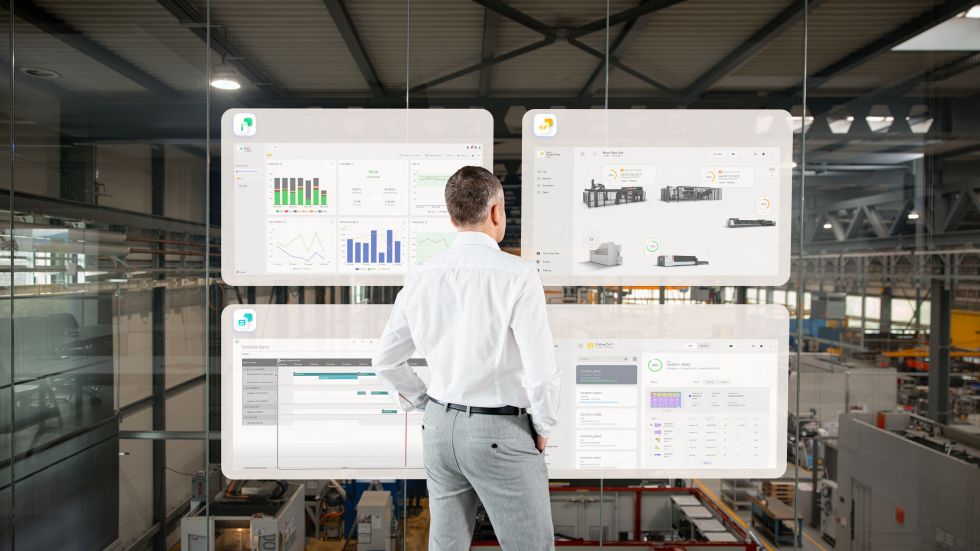
Another challenge is ensuring interoperability between legacy equipment and new digital platforms. Manufacturers must balance the need for modernization with the realities of existing infrastructure. Looking ahead, trends such as voice control, augmented reality, and AI-driven analytics are poised to further transform how people interact with machines. These innovations promise even greater efficiency, flexibility, and user empowerment on the factory floor.
Integrating HMIs With Broader Automation Systems
The most effective HMIs are those that seamlessly connect with the broader automation ecosystem. By linking interfaces to programmable logic controllers (PLCs), sensors, and cloud-based analytics, manufacturers can create a unified, responsive production environment. This integration supports advanced capabilities such as predictive maintenance and adaptive process control.
As digital transformation accelerates, understanding the interplay between HMIs and other technologies—like factory automation systems and cloud computing solutions—is crucial. These connections enable factories to operate smarter, adapt to market changes, and deliver higher value to customers.
Frequently Asked Questions
What is a human-machine interface in manufacturing?
A human-machine interface (HMI) is a system or device that allows people to interact with industrial machines and processes. In manufacturing, HMIs display information, accept user commands, and provide feedback, making it easier for operators to control and monitor equipment.
How do HMIs improve safety on the production floor?
HMIs enhance safety by providing clear alerts, instructions, and real-time status updates. They can display emergency procedures, warn of hazardous conditions, and help ensure that operators follow proper protocols, reducing the risk of accidents.
Why are modern HMIs important for smart factories?
Modern HMIs are vital for smart factories because they enable real-time data access, remote monitoring, and integration with other digital systems. This connectivity supports automation, predictive maintenance, and data-driven decision-making, all of which are key to efficient, flexible production.