
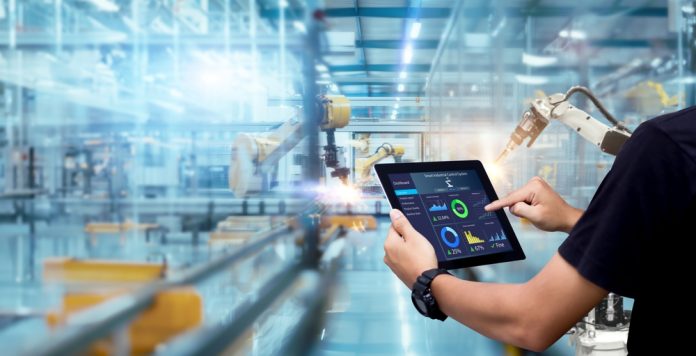
As manufacturing evolves, the importance of factory automation standards becomes increasingly clear. These guidelines form the backbone of modern industrial operations, ensuring that automated systems work together efficiently, safely, and reliably. With the rise of smart factories and interconnected devices, having a unified approach to automation is no longer optional—it’s essential for productivity, quality, and competitiveness.
In this article, we’ll explore how these standards shape the future of manufacturing, support seamless integration, and help businesses adapt to new technologies. For those interested in real-time insights, our guide on what is real-time factory monitoring offers a deeper look at monitoring solutions that complement automation frameworks.
Why Standardization Matters in Automated Manufacturing
The manufacturing sector relies on a complex network of machines, sensors, and software. Without a set of agreed-upon rules, integrating these components would be chaotic and error-prone. Factory automation standards provide the common language that allows equipment from different vendors to communicate and work together. This interoperability is crucial for scaling production lines, reducing downtime, and maintaining consistent product quality.
Standardization also supports safety and regulatory compliance. By following established protocols, manufacturers can ensure their systems meet industry and government requirements, protecting both workers and end users.
Key Benefits of Adopting Automation Guidelines
Embracing automation standards brings several tangible advantages to manufacturers:
- Improved Efficiency: Unified protocols reduce integration time and simplify maintenance, allowing teams to focus on optimizing production rather than troubleshooting compatibility issues.
- Enhanced Flexibility: Standardized systems make it easier to add or upgrade equipment as business needs change, supporting agile manufacturing strategies.
- Cost Savings: By minimizing custom engineering and reducing the risk of errors, companies can lower both initial investment and ongoing operational expenses.
- Future-Proofing: As new technologies emerge, adherence to recognized standards ensures that existing infrastructure can adapt without costly overhauls.
- Global Competitiveness: International standards help manufacturers compete in global markets by ensuring their products and processes meet worldwide expectations.
Common Frameworks and Protocols in Factory Automation
Several organizations develop and maintain the most widely used automation standards. Key examples include:
- IEC 61131: Defines programming languages for programmable logic controllers (PLCs), enabling consistent control logic across different hardware.
- OPC UA (Open Platform Communications Unified Architecture): Facilitates secure, platform-independent data exchange between industrial devices and systems.
- ISO 13849 and IEC 62061: Address functional safety requirements for machinery, ensuring that automated systems operate safely under all conditions.
- ISA-95: Provides a framework for integrating enterprise and control systems, bridging the gap between business management and manufacturing operations.
By implementing these frameworks, manufacturers can streamline communication, enhance data visibility, and build robust automation architectures.
How Standards Drive Smart Factory Transformation
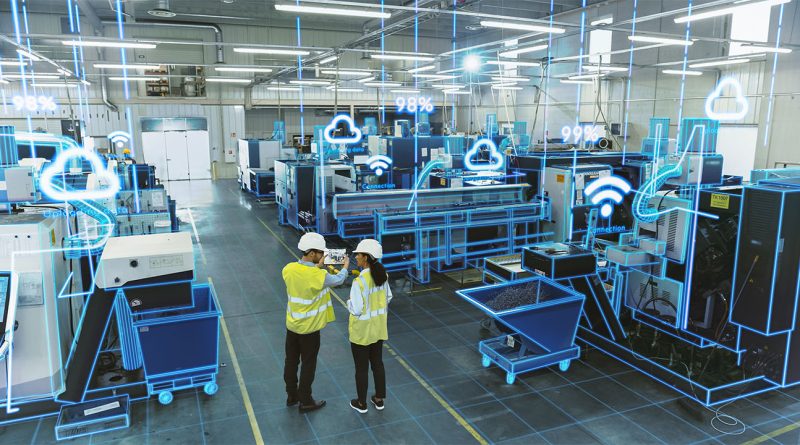
The shift toward smart factories—where machines, sensors, and software are tightly integrated—relies heavily on standardized automation. These guidelines enable seamless data flow, real-time monitoring, and adaptive control, all of which are essential for Industry 4.0 initiatives.
For example, integrating how smart sensors monitor production with existing automation systems is far easier when both follow recognized protocols. This allows manufacturers to gain actionable insights, optimize workflows, and respond quickly to changing market demands.
Additionally, standards support the use of advanced technologies such as collaborative robots and industrial drones. For a deeper dive into these topics, see our articles on how collaborative robots work in factories and industrial drone applications explained.
Challenges in Implementing Automation Standards
While the benefits are clear, adopting and maintaining automation guidelines can present challenges. Legacy equipment may not support the latest protocols, requiring upgrades or custom interfaces. Staff may need training to understand and apply new frameworks effectively.
Furthermore, the rapid pace of technological change means that standards must evolve continuously. Manufacturers must stay informed and be ready to adapt their processes as new versions are released.

Best Practices for Maintaining Compliance and Efficiency
To maximize the value of automation standards, manufacturers should consider the following best practices:
- Conduct regular audits to ensure all systems comply with current guidelines.
- Invest in employee training to build in-house expertise on relevant protocols and frameworks.
- Collaborate with technology partners who prioritize standardization in their products and services.
- Monitor updates from standardization bodies and plan for timely adoption of new versions.
- Document all processes and changes to maintain transparency and facilitate troubleshooting.
These steps help organizations remain agile, resilient, and ready for future advancements in automation.
Industry Examples and Future Trends
Many leading manufacturers have demonstrated the value of standardized automation. For instance, automotive plants often use a mix of robotics, vision systems, and conveyor controls from different suppliers. By adhering to common protocols, they achieve synchronized production, rapid changeovers, and high product quality.
Looking ahead, trends such as artificial intelligence, edge computing, and digital twins will further increase the need for robust automation standards. As factories become more connected, the ability to integrate new technologies quickly and securely will be a key differentiator.
For more on how digital transformation is shaping manufacturing, explore smart factory solutions and their impact on industry.
Frequently Asked Questions
What Are Factory Automation Standards?
These are formalized guidelines and protocols that define how automated equipment, software, and processes should interact within a manufacturing environment. They cover areas such as communication, safety, programming, and integration, ensuring consistency and compatibility across systems.
How Do Automation Standards Improve Manufacturing Efficiency?
By providing a common framework, these standards reduce integration time, minimize errors, and simplify maintenance. This leads to faster production cycles, fewer disruptions, and lower operational costs.
Are Automation Standards Necessary for Small Manufacturers?
Yes, even smaller operations benefit from adopting recognized guidelines. Standardization makes it easier to scale, upgrade equipment, and comply with regulations, all of which are important for long-term success.
How Can Companies Stay Updated on Evolving Standards?
Regularly monitoring updates from industry organizations, participating in professional networks, and working with technology partners who prioritize compliance are effective ways to keep systems current.
Conclusion
The importance of factory automation standards cannot be overstated in today’s fast-changing manufacturing landscape. By embracing these guidelines, businesses can achieve greater efficiency, safety, and adaptability—positioning themselves for ongoing success as new technologies emerge. Whether upgrading legacy systems or building new facilities, a commitment to standardization is essential for unlocking the full potential of automation.
For additional insights on optimizing energy use in automated environments, see our resource on factory energy efficiency explained.