
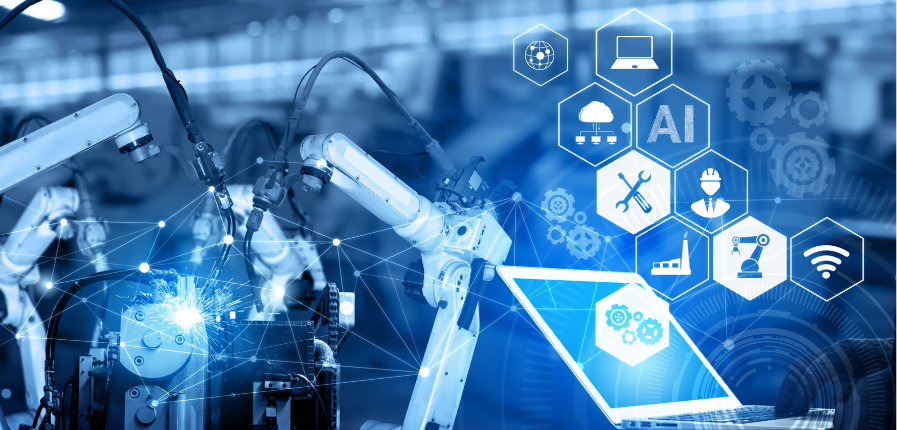
The manufacturing sector is undergoing rapid change as digital technologies reshape how factories operate, compete, and grow. Embracing digital transformation in industrial settings is no longer optional—it’s essential for staying relevant and efficient. This comprehensive guide explores the key steps, technologies, and best practices for successfully modernizing your production environment. Whether you’re just starting or looking to optimize ongoing initiatives, you’ll find practical insights to help your organization thrive in the era of smart manufacturing.
As you consider the journey toward a more connected and intelligent facility, it’s important to understand the foundational concepts and the real-world benefits of digital adoption. For a deeper dive into live data and process visibility, see what is real-time factory monitoring and why it matters for today’s manufacturers.
Understanding the Digital Shift in Manufacturing
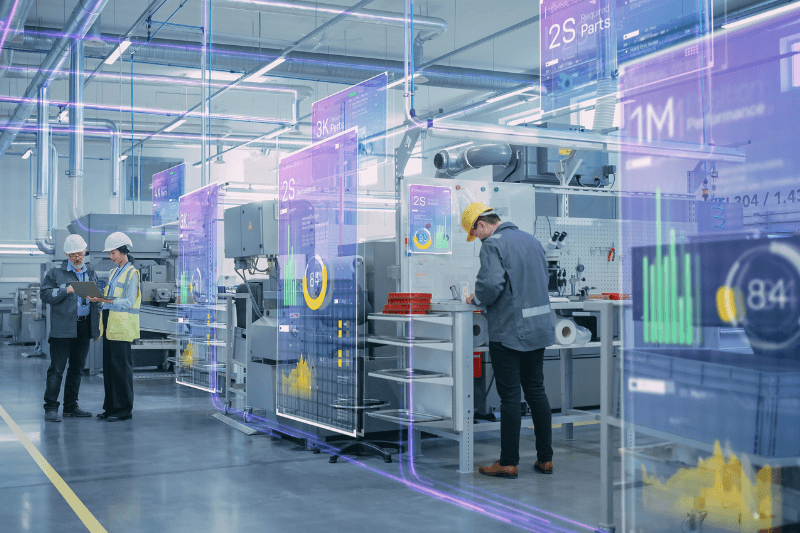
The move toward digitalization in factories involves integrating advanced technologies such as the Industrial Internet of Things (IIoT), artificial intelligence (AI), cloud computing, and automation into traditional production processes. This transformation enables real-time monitoring, predictive maintenance, data-driven decision-making, and greater flexibility across operations.
According to industry experts, a factory digital transformation guide is crucial for navigating this complex landscape. It provides a structured approach for evaluating current capabilities, identifying gaps, and implementing solutions that deliver measurable value.
Key Technologies Powering Smart Factories
Several core technologies are driving the evolution of modern manufacturing environments. Understanding these tools is essential for building a robust digital strategy:
- Industrial IoT (IIoT): Networked sensors and devices collect and transmit data from machines, equipment, and systems, enabling real-time insights and automation.
- Artificial Intelligence and Machine Learning: AI algorithms analyze vast amounts of production data to optimize processes, predict failures, and improve quality.
- Cloud Computing: Secure, scalable cloud platforms store and process data, making it accessible from anywhere and supporting advanced analytics.
- Robotics and Automation: Automated systems and collaborative robots (cobots) enhance productivity, safety, and consistency in repetitive or hazardous tasks.
- Digital Twins: Virtual replicas of physical assets allow for simulation, testing, and optimization before changes are implemented on the shop floor.
For a detailed explanation of how connected sensors are revolutionizing production monitoring, explore how smart sensors monitor production effectively.

Steps to Launch a Successful Digital Transformation Initiative
Implementing a digital strategy in manufacturing is a multi-phase process. Here are the essential steps to guide your journey:
- Assess Current State: Begin by evaluating existing processes, technologies, and workforce skills. Identify areas with the highest potential for improvement.
- Define Clear Objectives: Set measurable goals, such as reducing downtime, improving product quality, or increasing energy efficiency.
- Secure Leadership Buy-In: Ensure executive support and allocate resources for technology investments, training, and change management.
- Prioritize Use Cases: Focus on high-impact projects, such as predictive maintenance, real-time monitoring, or automated quality control.
- Choose the Right Technologies: Select solutions that align with your objectives and can scale as your needs evolve.
- Implement and Integrate: Roll out new systems in phases, integrating them with existing infrastructure and workflows.
- Train and Engage Employees: Provide ongoing education and support to help staff adapt to new tools and processes.
- Measure and Optimize: Continuously track performance, gather feedback, and refine your approach to maximize results.
For more on how automation and robotics are transforming the shop floor, see how collaborative robots work in factories.
Benefits of Embracing Digital Manufacturing Solutions
Adopting a digital-first approach in manufacturing offers a range of tangible benefits:
- Increased Efficiency: Automated data collection and analysis streamline operations and reduce manual errors.
- Reduced Downtime: Predictive maintenance and real-time alerts help prevent unexpected equipment failures.
- Improved Product Quality: Enhanced monitoring and analytics enable early detection of defects and process deviations.
- Greater Flexibility: Digital tools make it easier to adapt to changing customer demands and market conditions.
- Energy and Cost Savings: Smart systems optimize resource usage, lowering operational expenses and environmental impact.
For actionable tips on reducing energy consumption, visit factory energy efficiency explained.
Overcoming Common Challenges in Digital Adoption
While the advantages of digital transformation are clear, manufacturers often face several obstacles:
- Legacy Systems: Integrating new technologies with older equipment can be complex and costly.
- Data Security: Protecting sensitive production data from cyber threats is a top priority.
- Change Management: Shifting organizational culture and gaining employee buy-in require careful planning and communication.
- Skills Gap: Upskilling the workforce is essential to fully leverage digital tools and analytics.
- Scalability: Ensuring that solutions can grow with your business is critical for long-term success.
To learn about innovative approaches like using drones for inspection and logistics, check out industrial drone applications explained for manufacturing.
Best Practices for a Sustainable Digital Journey
Building a future-ready factory requires more than just adopting the latest gadgets. Here are some proven strategies for sustainable transformation:
- Start Small, Scale Fast: Pilot projects allow you to test solutions, demonstrate value, and refine your approach before expanding.
- Foster Collaboration: Encourage cross-functional teams to share insights and drive innovation.
- Leverage External Expertise: Partner with technology vendors, consultants, and industry peers to accelerate learning and avoid common pitfalls.
- Focus on Data Quality: Reliable, accurate data is the foundation of effective analytics and automation.
- Monitor Industry Trends: Stay informed about emerging technologies and evolving best practices to maintain a competitive edge.
For a comprehensive overview of smart manufacturing concepts, visit this resource on what defines a smart factory.
FAQ: Digital Transformation in Manufacturing
What is the first step in a digital transformation strategy for factories?
The initial phase involves assessing your current operations, identifying pain points, and setting clear, measurable objectives. This helps ensure that digital initiatives align with business goals and deliver tangible results.
How can manufacturers ensure data security during digitalization?
Implementing robust cybersecurity protocols, regularly updating software, and training employees on best practices are key steps. It’s also important to work with trusted technology partners who prioritize data protection.
What are some quick wins for factories starting their digital journey?
Quick wins include deploying real-time monitoring systems, automating data collection, and introducing predictive maintenance tools. These projects typically offer rapid ROI and build momentum for broader transformation.