
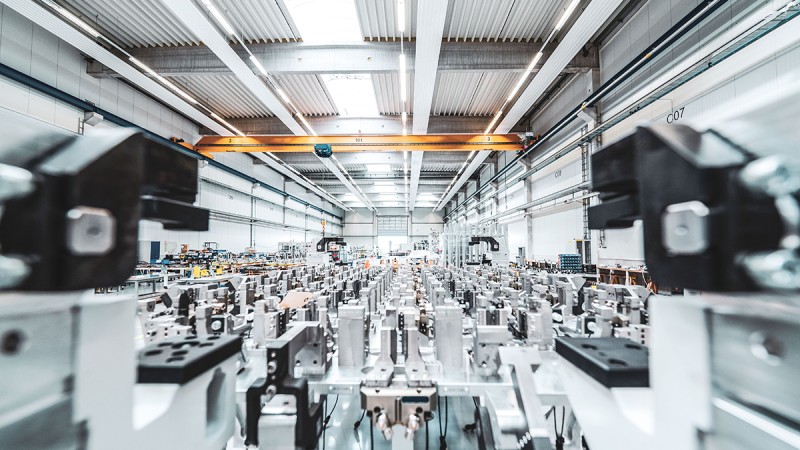
In today’s rapidly evolving industrial landscape, maintaining efficiency, quality, and safety is more challenging than ever. As factories and manufacturing plants adopt digital transformation, the importance of process monitoring software becomes increasingly clear. These digital tools provide real-time insights into production lines, equipment health, and operational bottlenecks, enabling organizations to make data-driven decisions and stay competitive.
By continuously tracking key parameters, process monitoring solutions help identify issues before they escalate, minimize downtime, and optimize resource utilization. As a result, manufacturers can achieve higher productivity, improved product quality, and reduced operational costs.
For a deeper understanding of how real-time data collection can transform your operations, explore what is real-time factory monitoring and discover why it matters for modern manufacturing.
Why Digital Oversight Is Essential in Modern Manufacturing
The shift toward smart factories and Industry 4.0 has made digital oversight a necessity rather than a luxury. With the integration of sensors, IoT devices, and advanced analytics, organizations can monitor every aspect of their production environment. This digital transformation ensures that deviations from optimal conditions are detected instantly, allowing for swift corrective actions.
Implementing robust monitoring tools not only supports compliance with industry standards but also fosters a culture of continuous improvement. By leveraging historical and real-time data, manufacturers can identify recurring issues, streamline workflows, and enhance overall equipment effectiveness.
Key Benefits of Using Process Monitoring Solutions
Embracing process monitoring technology delivers a range of tangible benefits for industrial operations. Here are some of the most impactful advantages:
- Increased Uptime: Early detection of equipment anomalies minimizes unplanned downtime and extends machinery lifespan.
- Enhanced Product Quality: Continuous tracking of critical parameters ensures products meet strict quality standards.
- Reduced Waste: Real-time alerts help prevent material losses and optimize resource consumption.
- Improved Safety: Monitoring hazardous conditions protects workers and reduces the risk of accidents.
- Data-Driven Decisions: Actionable insights empower managers to make informed choices that drive operational excellence.
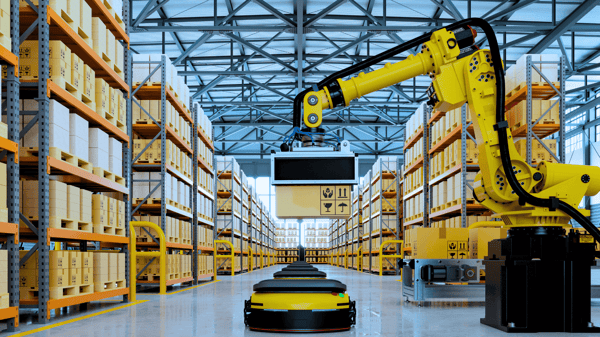
How Process Monitoring Software Works
At its core, process monitoring software collects data from various sources such as sensors, PLCs, and industrial machines. This information is then aggregated and visualized through dashboards, enabling operators and managers to track performance metrics in real time.
Advanced solutions offer customizable alerts, trend analysis, and predictive maintenance features. By integrating with existing enterprise systems, these platforms facilitate seamless communication across departments and ensure that everyone has access to the latest operational data.
For example, smart sensors play a vital role in capturing production data efficiently. To learn more about their impact, see how smart sensors monitor production and contribute to effective oversight.
Choosing the Right Monitoring Platform for Your Needs
Selecting the best-fit solution depends on your specific requirements, industry standards, and existing infrastructure. Consider the following factors when evaluating options:
- Scalability: Can the platform grow with your business and handle increased data volumes?
- Integration: Does it support seamless connectivity with your current equipment and software?
- User Interface: Is the dashboard intuitive and easy for staff to use?
- Customization: Can you tailor alerts, reports, and analytics to your unique processes?
- Support and Training: Does the provider offer comprehensive onboarding and technical assistance?
Investing in a solution that aligns with your operational goals will maximize the return on investment and ensure long-term success.

Real-World Applications and Industry Examples
Process monitoring platforms are widely adopted across sectors such as automotive, electronics, pharmaceuticals, and food processing. In automotive manufacturing, for instance, these systems help maintain tight tolerances and ensure every vehicle meets safety and quality benchmarks. In the pharmaceutical industry, continuous monitoring is critical for regulatory compliance and product consistency.
The concept of a smart factory highlights how interconnected technologies can revolutionize traditional production environments. By leveraging real-time analytics and automated controls, organizations can respond quickly to market demands and reduce operational risks.
For those interested in exploring further, topics such as industrial drone applications explained and how collaborative robots work in factories offer insight into the broader ecosystem of digital manufacturing.
Challenges and Considerations for Implementation
While the advantages are significant, implementing a new monitoring system can present challenges. Common hurdles include integration with legacy equipment, data security concerns, and the need for staff training. Addressing these issues early—by involving IT, operations, and management teams—can smooth the transition and ensure a successful rollout.
Additionally, organizations should consider the total cost of ownership, including hardware, software, and ongoing support. A phased approach, starting with pilot projects and scaling up, often yields the best results.
Maximizing Value with Continuous Improvement
The journey doesn’t end with installation. To fully realize the benefits, companies should regularly review performance metrics, solicit feedback from users, and update processes as needed. Many organizations find that combining monitoring data with other digital initiatives—such as factory energy efficiency explained—unlocks new opportunities for optimization and sustainability.
Frequently Asked Questions
What is process monitoring software?
Process monitoring software is a digital tool that collects, analyzes, and displays data from manufacturing equipment and production lines. It helps organizations track performance, detect anomalies, and optimize operations in real time.
How does process monitoring improve factory efficiency?
By providing continuous oversight, these systems enable early detection of issues, reduce downtime, and support data-driven decision-making. This leads to higher productivity, better product quality, and lower operational costs.
Can process monitoring software integrate with existing factory systems?
Most modern solutions are designed for compatibility with a wide range of equipment and enterprise platforms. Integration capabilities vary, so it’s important to choose a system that aligns with your current infrastructure and future needs.