
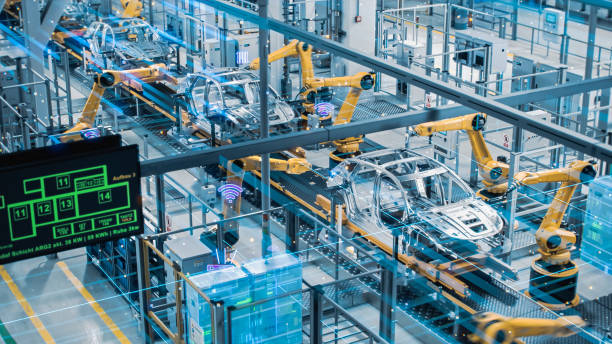
Understanding factory process control basics is essential for anyone involved in manufacturing, production management, or industrial automation. These principles form the backbone of efficient, safe, and cost-effective operations in modern factories. As production lines become more complex and digital technologies advance, mastering these fundamentals helps organizations maintain quality, reduce waste, and respond quickly to changing demands.
This article provides a practical overview of the main concepts, systems, and strategies used to monitor and optimize manufacturing processes. Whether you’re new to industrial automation or looking to refresh your knowledge, you’ll find actionable insights and relevant resources here. For a deeper dive into real-time monitoring, see what is real-time factory monitoring for additional context on how live data drives decision-making in today’s plants.
Core Principles of Process Control in Manufacturing
At its core, process control in a factory setting involves monitoring and adjusting variables within a production system to achieve consistent, desired outcomes. The main goal is to keep operations running smoothly, minimize variability, and ensure that products meet quality standards. This is achieved through a combination of measurement, feedback, and automated or manual adjustments.
- Measurement: Sensors and instruments collect real-time data on variables like temperature, pressure, flow, and speed.
- Control Actions: Based on this data, control systems (such as PLCs or distributed control systems) make adjustments to equipment or processes.
- Feedback Loops: Continuous feedback allows the system to self-correct and maintain optimal conditions.
These basic elements are present in nearly every manufacturing environment, from food processing to automotive assembly. For a closer look at how advanced sensors contribute to effective monitoring, explore how smart sensors monitor production.
Types of Process Control Systems Used in Factories
There are several main categories of control systems used to manage industrial processes. Each has its own strengths and is chosen based on the complexity and requirements of the production line.
- Open-Loop Control: In these systems, actions are taken based on pre-set instructions without feedback. They are simple and cost-effective but can’t compensate for disturbances or changes in the environment.
- Closed-Loop (Feedback) Control: These systems use real-time data to adjust operations automatically. For example, if a temperature sensor detects a deviation, the system can increase or decrease heat to maintain the setpoint.
- Supervisory Control and Data Acquisition (SCADA): SCADA systems provide centralized monitoring and control, often across multiple processes or sites. They collect data, issue commands, and enable remote management.
- Distributed Control Systems (DCS): DCS are used in large, complex plants where control is distributed across multiple controllers and workstations, providing redundancy and flexibility.
As factories embrace digital transformation, these systems are increasingly integrated with cloud platforms and IoT devices, enabling smarter, more responsive operations.
Key Components of a Modern Factory Control System
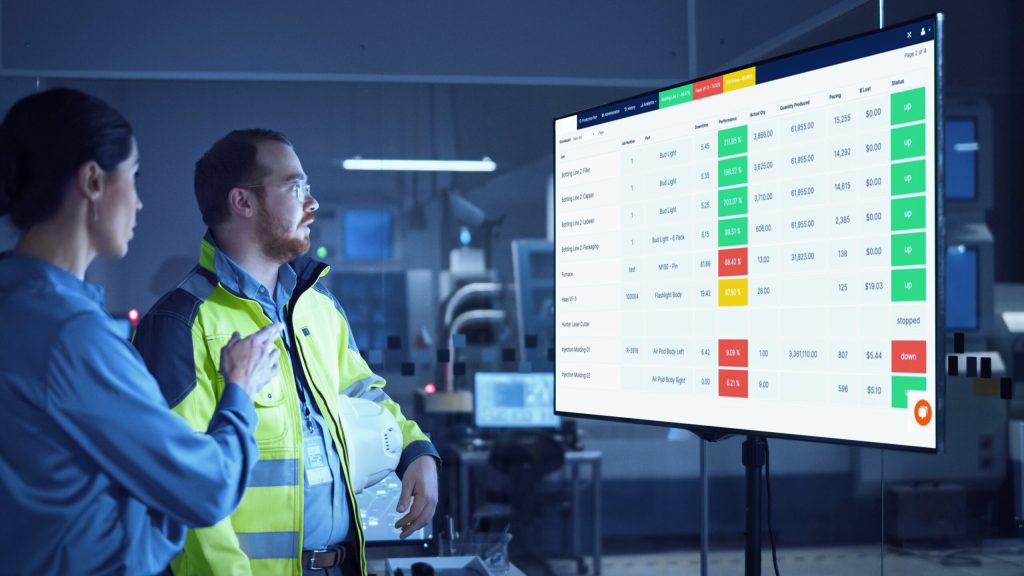
A typical process control setup in manufacturing consists of several interconnected components. Each plays a role in collecting data, making decisions, and executing control actions.
- Sensors and Transmitters: These devices measure physical variables such as temperature, pressure, humidity, and flow rate. They convert real-world signals into digital data for analysis.
- Controllers: Programmable logic controllers (PLCs) and other control units process sensor data and determine what actions to take. They can be programmed for simple or complex logic.
- Actuators: These are the devices that carry out control actions, such as opening a valve, adjusting a motor speed, or switching a relay.
- Human-Machine Interfaces (HMIs): HMIs provide operators with real-time information and control options, making it easier to monitor performance and respond to issues.
- Communication Networks: Modern factories rely on robust networks to connect sensors, controllers, and HMIs, often using Ethernet, wireless, or industrial protocols.
These elements work together to create a responsive, data-driven environment. For more on how collaborative automation is changing the landscape, see how collaborative robots work in factories.
Benefits of Effective Process Control in Manufacturing
Implementing solid process control strategies brings measurable advantages to manufacturing operations. Some of the most significant benefits include:
- Improved Product Quality: Consistent control reduces defects and ensures products meet specifications.
- Reduced Waste and Costs: By minimizing variability and catching issues early, factories can cut down on scrap, rework, and energy use.
- Enhanced Safety: Automated monitoring and controls help prevent dangerous conditions and protect workers.
- Greater Flexibility: Advanced control systems make it easier to adjust production for new products or changing demand.
- Data-Driven Decisions: Access to real-time data supports continuous improvement and smarter management.
These advantages are especially important as factories strive to become more agile and sustainable. For practical advice on improving energy efficiency, visit factory energy efficiency explained.
Digitalization and Smart Factory Trends
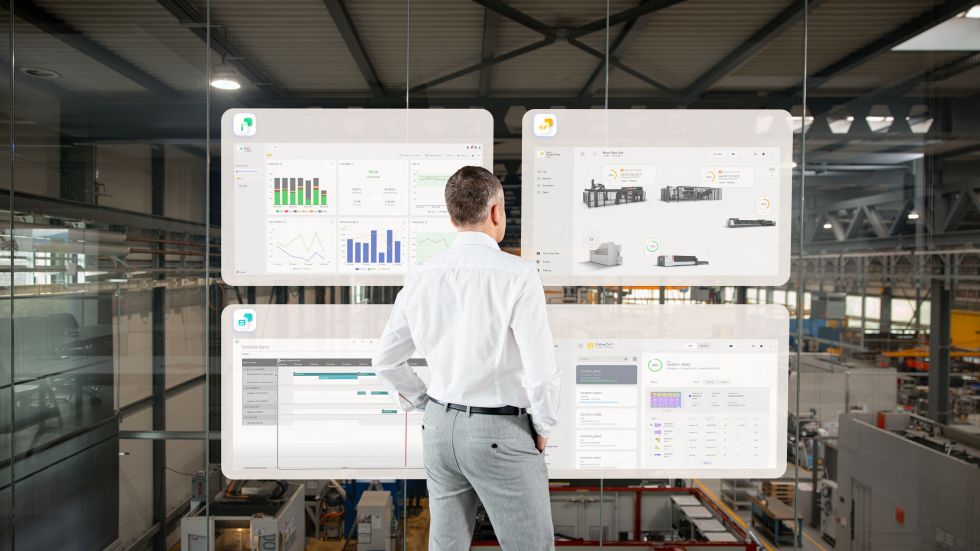
The evolution of process control is closely tied to advances in digital technology. Smart factories use connected devices, cloud computing, and artificial intelligence to automate decision-making and optimize performance. This shift, often called Industry 4.0, enables predictive maintenance, real-time analytics, and seamless integration across the supply chain.
For a comprehensive overview of these trends, the smart factory resource from NetSuite explains how digitalization is transforming manufacturing operations worldwide.
Drones, robotics, and advanced diagnostics are also becoming common in modern plants. To learn more about these innovations, see industrial drone applications explained for manufacturing.
Challenges and Best Practices for Process Control
While the benefits of robust process control are clear, implementing and maintaining these systems can present challenges. Common hurdles include integrating legacy equipment, managing cybersecurity risks, and ensuring staff are trained to use new technologies effectively.
To overcome these obstacles, consider the following best practices:
- Standardize Procedures: Develop clear protocols for monitoring, reporting, and responding to process deviations.
- Invest in Training: Ensure operators and technicians understand both the technology and the underlying process principles.
- Prioritize Cybersecurity: Protect control networks from unauthorized access and malware.
- Embrace Continuous Improvement: Use data analytics to identify trends, root causes, and opportunities for optimization.
- Plan for Scalability: Choose systems that can grow with your operation and adapt to new requirements.
By following these guidelines, manufacturers can maximize the return on investment from their process control systems and stay competitive in a rapidly changing market.
FAQ: Common Questions About Process Control in Factories
What Is the Difference Between Open-Loop and Closed-Loop Control?
Open-loop control systems operate on pre-set instructions without using feedback from the process, making them simple but less adaptable. Closed-loop systems, on the other hand, use real-time feedback to automatically adjust operations and maintain desired outcomes, resulting in greater accuracy and reliability.
How Do Sensors Improve Process Control?
Sensors provide accurate, real-time data on key process variables such as temperature, pressure, and flow. This information allows control systems to detect deviations quickly and make precise adjustments, leading to better product quality and reduced waste.
Why Is Digitalization Important for Modern Factories?
Digitalization enables factories to collect and analyze large volumes of data, automate decision-making, and integrate systems across the production line. This leads to improved efficiency, agility, and the ability to respond quickly to changing market demands.
Conclusion
Mastering the essentials of process control is vital for any manufacturing operation aiming to boost quality, efficiency, and competitiveness. By understanding the core principles, leveraging modern technology, and following best practices, factories can achieve more consistent results and adapt to the demands of Industry 4.0. For ongoing success, continue exploring new tools and approaches that support data-driven, agile production.